
Roof Ventilation Troubleshooting Guide
Professional roof ventilation solutions from experienced roofing contractors near you in Massachusetts
Step-by-Step
1
Attic Inspection
Enter your attic during daylight hours and look for signs of poor ventilation: excessive heat, moisture condensation on rafters, wet insulation, or mold growth. These indicate inadequate airflow.
2
Check Existing Vents
Inspect all existing roof vents, soffit vents, and ridge vents for blockages. Ensure insulation isn't covering soffit vents, which prevents proper air intake.
3
Measure Attic Temperature
On a hot day, measure the temperature difference between your attic and outside. A properly ventilated attic should be no more than 10-15°F warmer than the outside temperature.
4
Calculate Ventilation Needs
The standard guideline is 1 square foot of ventilation for every 150 square feet of attic space, evenly divided between intake and exhaust vents. Assess if your current ventilation meets this standard.
5
Identify Vent Types
Determine which additional ventilation might be needed: ridge vents, soffit vents, gable vents, or powered attic fans. Each has specific applications and benefits depending on your roof design.
⚠️ Safety Warning
Improper ventilation can lead to serious structural damage, mold growth, and significantly increased energy costs. Modifying roof ventilation often requires cutting into your roof structure, which should only be done by qualified professionals to avoid compromising your roof's integrity.
Attic Inspection
Enter your attic during daylight hours and look for signs of poor ventilation: excessive heat, moisture condensation on rafters, wet insulation, or mold growth. These indicate inadequate airflow.
Check Existing Vents
Inspect all existing roof vents, soffit vents, and ridge vents for blockages. Ensure insulation isn't covering soffit vents, which prevents proper air intake.
Measure Attic Temperature
On a hot day, measure the temperature difference between your attic and outside. A properly ventilated attic should be no more than 10-15°F warmer than the outside temperature.
Calculate Ventilation Needs
The standard guideline is 1 square foot of ventilation for every 150 square feet of attic space, evenly divided between intake and exhaust vents. Assess if your current ventilation meets this standard.
Identify Vent Types
Determine which additional ventilation might be needed: ridge vents, soffit vents, gable vents, or powered attic fans. Each has specific applications and benefits depending on your roof design.
⚠️ Safety Warning
Improper ventilation can lead to serious structural damage, mold growth, and significantly increased energy costs. Modifying roof ventilation often requires cutting into your roof structure, which should only be done by qualified professionals to avoid compromising your roof's integrity.
Need Professional Help?
Contact our certified contractors for comprehensive inspection and repair services.
Get Free InspectionWhen to Call Professional Contractors
Explanation of situations that require professional intervention rather than DIY solutions.
- Multiple or persistent leaks even after basic repairs
- Structural damage to roof decking or rafters
- Large areas of missing or damaged shingles
- Any repair requiring walking on a steep or high roof
- Flashing repairs around chimneys, vents, or skylights
- When filing insurance claims for roof damage
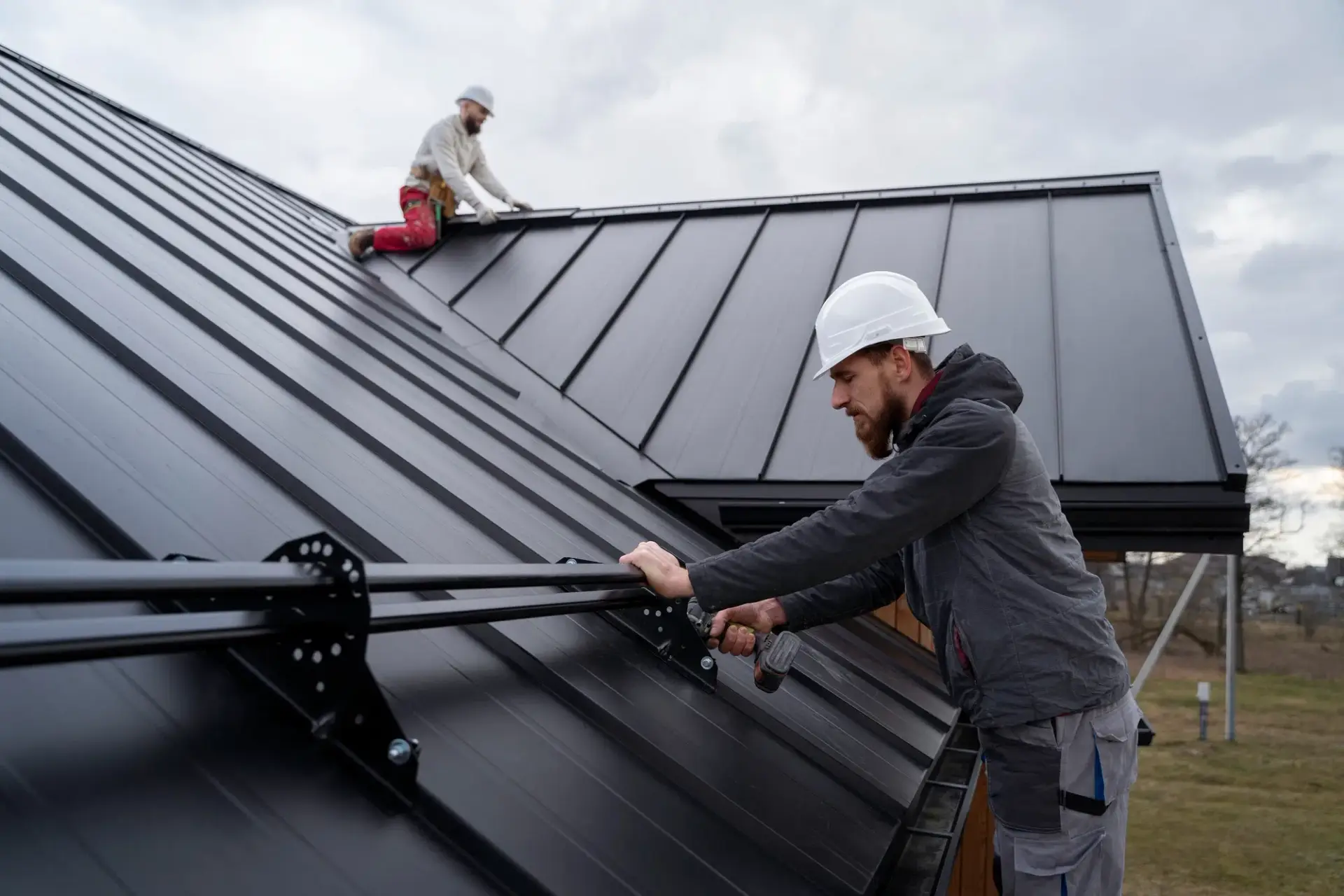
Why Choose Local Massachusetts Contractors
Working with local Massachusetts contractors who specialize in roof ventilation issues offers several advantages. They understand the unique weather challenges in New England, are familiar with local building codes, and can respond quickly to emergencies. Our team has been serving Massachusetts homeowners for over 16 years, providing reliable solutions for all roof ventilation problems.
Ready for Professional Help?
Contact our certified contractors for comprehensive inspection and repair services.
Get Free Inspection