
Roof Membrane Damage Troubleshooting Guide
Professional roof membrane damage solutions from experienced roofing contractors near you in Massachusetts
Step-by-Step
1
Identify Membrane Type
Determine what type of roof membrane you have: EPDM (rubber), TPO, PVC, modified bitumen, or built-up roofing. Each type has different damage indicators and repair requirements.
2
Visual Inspection
Look for visible damage: tears, punctures, blisters, separated seams, or areas where the membrane has pulled away from flashing or edges.
3
Check Seams and Edges
Pay special attention to seams, roof penetrations, and perimeter edges where membrane failure commonly begins. Look for separation, deterioration, or improper adhesion.
4
Assess Water Pooling
Identify areas where water pools on the roof. Standing water accelerates membrane deterioration and often indicates underlying structural issues.
5
Examine Interior Signs
Check ceilings below the roof for water stains or active leaks. Map these locations to help pinpoint membrane damage above.
⚠️ Safety Warning
Membrane roof repairs require specialized materials and techniques specific to each membrane type. Improper repairs can void manufacturer warranties and lead to more extensive damage. Additionally, walking on damaged membrane roofs can be hazardous and cause further damage. Professional roofers have proper safety equipment and repair materials for different membrane systems.
Identify Membrane Type
Determine what type of roof membrane you have: EPDM (rubber), TPO, PVC, modified bitumen, or built-up roofing. Each type has different damage indicators and repair requirements.
Visual Inspection
Look for visible damage: tears, punctures, blisters, separated seams, or areas where the membrane has pulled away from flashing or edges.
Check Seams and Edges
Pay special attention to seams, roof penetrations, and perimeter edges where membrane failure commonly begins. Look for separation, deterioration, or improper adhesion.
Assess Water Pooling
Identify areas where water pools on the roof. Standing water accelerates membrane deterioration and often indicates underlying structural issues.
Examine Interior Signs
Check ceilings below the roof for water stains or active leaks. Map these locations to help pinpoint membrane damage above.
⚠️ Safety Warning
Membrane roof repairs require specialized materials and techniques specific to each membrane type. Improper repairs can void manufacturer warranties and lead to more extensive damage. Additionally, walking on damaged membrane roofs can be hazardous and cause further damage. Professional roofers have proper safety equipment and repair materials for different membrane systems.
Need Professional Help?
Contact our certified contractors for comprehensive inspection and repair services.
Get Free InspectionWhen to Call Professional Contractors
Explanation of situations that require professional intervention rather than DIY solutions.
- Multiple or persistent leaks even after basic repairs
- Structural damage to roof decking or rafters
- Large areas of missing or damaged shingles
- Any repair requiring walking on a steep or high roof
- Flashing repairs around chimneys, vents, or skylights
- When filing insurance claims for roof damage
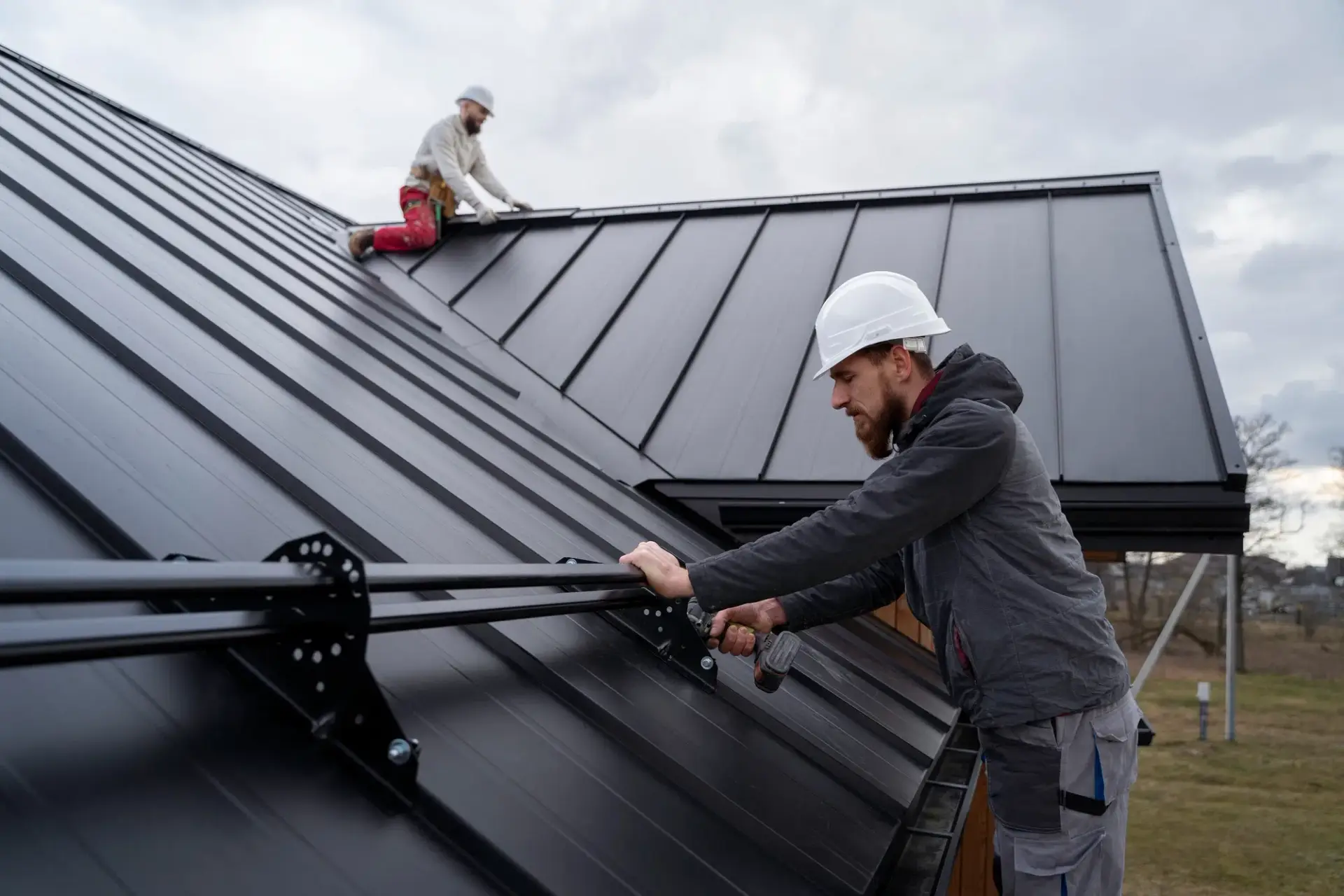
Why Choose Local Massachusetts Contractors
Working with local Massachusetts contractors who specialize in roof membrane damage issues offers several advantages. They understand the unique weather challenges in New England, are familiar with local building codes, and can respond quickly to emergencies. Our team has been serving Massachusetts homeowners for over 16 years, providing reliable solutions for all roof membrane damage problems.
Ready for Professional Help?
Contact our certified contractors for comprehensive inspection and repair services.
Get Free Inspection