
Gutter Sagging Troubleshooting Guide
Professional gutter sagging solutions from experienced roofing contractors near you in Massachusetts
Step-by-Step
1
Identify Sagging Sections
Walk around your home and note all areas where gutters appear to be pulling away from the fascia or sagging between supports. Look for visible gaps between gutter and fascia board.
2
Check Hanger Spacing
Measure the distance between gutter hangers or spikes. They should be spaced no more than 24-30 inches apart. Inadequate support is the most common cause of sagging.
3
Inspect Fascia Board
Examine the fascia board behind sagging gutters for signs of rot or water damage. Deteriorated fascia cannot properly support gutter systems.
4
Evaluate Gutter Pitch
Use a level to check if gutters maintain the proper slope toward downspouts (approximately 1/4 inch per 10 feet). Improper pitch causes water to pool, adding weight that leads to sagging.
5
Assess Gutter Size
Determine if your gutters are appropriately sized for your roof area. Undersized gutters can become overwhelmed during heavy rainfall, causing excess weight and eventual sagging.
⚠️ Safety Warning
Repairing sagging gutters often requires removing and reinstalling sections of the gutter system. This work involves ladder use at significant heights and working with potentially sharp metal edges. Professional gutter contractors have specialized tools and brackets to properly secure gutters without damaging your home's fascia or roof edge.
Identify Sagging Sections
Walk around your home and note all areas where gutters appear to be pulling away from the fascia or sagging between supports. Look for visible gaps between gutter and fascia board.
Check Hanger Spacing
Measure the distance between gutter hangers or spikes. They should be spaced no more than 24-30 inches apart. Inadequate support is the most common cause of sagging.
Inspect Fascia Board
Examine the fascia board behind sagging gutters for signs of rot or water damage. Deteriorated fascia cannot properly support gutter systems.
Evaluate Gutter Pitch
Use a level to check if gutters maintain the proper slope toward downspouts (approximately 1/4 inch per 10 feet). Improper pitch causes water to pool, adding weight that leads to sagging.
Assess Gutter Size
Determine if your gutters are appropriately sized for your roof area. Undersized gutters can become overwhelmed during heavy rainfall, causing excess weight and eventual sagging.
⚠️ Safety Warning
Repairing sagging gutters often requires removing and reinstalling sections of the gutter system. This work involves ladder use at significant heights and working with potentially sharp metal edges. Professional gutter contractors have specialized tools and brackets to properly secure gutters without damaging your home's fascia or roof edge.
Need Professional Help?
Contact our certified contractors for comprehensive inspection and repair services.
Get Free InspectionWhen to Call Professional Contractors
Explanation of situations that require professional intervention rather than DIY solutions.
- Gutters pulling away from the fascia board
- Significant sagging or improper slope
- Multiple leaking seams or joints
- Need for complete gutter replacement
- Installation of gutter guards or covers
- When damage extends to fascia boards or soffits
Why Choose Local Massachusetts Contractors
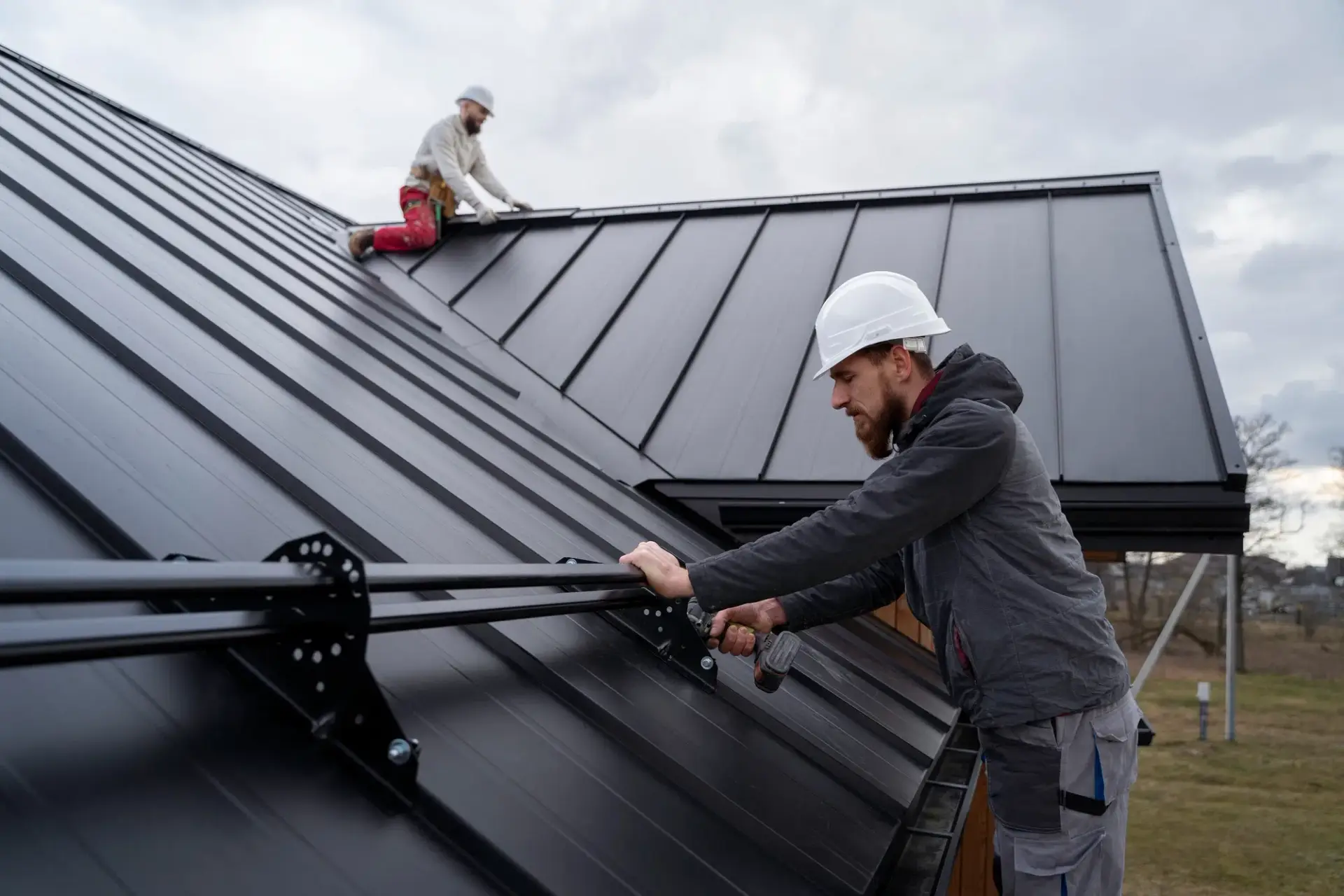
Working with local Massachusetts contractors who specialize in gutter sagging issues offers several advantages. They understand the unique weather challenges in New England, are familiar with local building codes, and can respond quickly to emergencies. Our team has been serving Massachusetts homeowners for over 16 years, providing reliable solutions for all gutter sagging problems.
Ready for Professional Help?
Contact our certified contractors for comprehensive inspection and repair services.
Get Free Inspection