
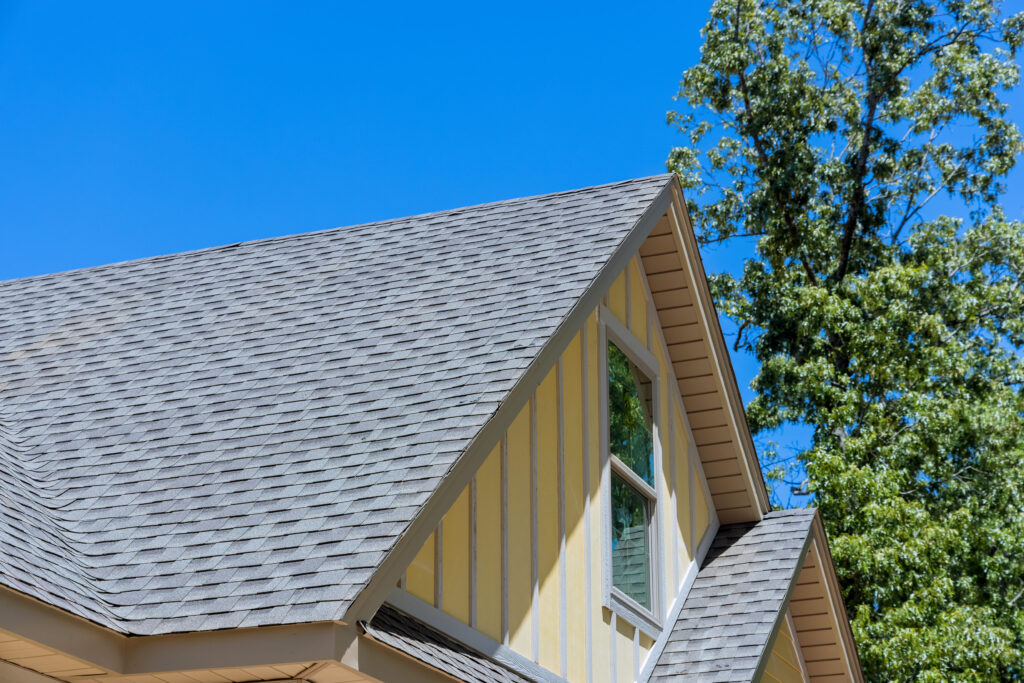
A roof inspection is more than just a quick glance from the driveway. It is a forensic evaluation of your home’s first line of defense. For homeowners in Massachusetts, these inspections are critical to ensuring the structure can handle the weight of heavy snow and the relentless cycle of freezing and thawing.
Quick Answer: Structure, Surface, Drainage, and Flashing
A professional roof inspection focuses on four core categories:
- Structural Integrity: Checking for sagging, uneven roof planes, and the health of the soffit and fascia.
- Surface Materials: Evaluating the condition of shingles, tiles, or rubber membranes.
- Drainage: Ensuring gutters and downspouts are clear and properly pitched.
- Flashing: Inspecting the waterproof seals around chimneys, vents, and skylights.
Exterior Inspection Checklist
The exterior phase involves the inspector getting onto the roof (weather permitting) to look for signs of weathering and potential entry points for water.
Shingle Condition
Inspectors look for “balding” shingles where granules have washed away, curling edges, or cracked tabs. In New England, wind-damaged shingles are common after seasonal storms and can leave the underlayment exposed to UV rays and rain.
Flashing
Flashing is the metal material used to redirect water away from joints. Inspectors look for rust, “pitting,” or instances where the sealant has dried out. Most leaks start at the flashing, not in the middle of a shingle.
Gutters
Inspectors check for “shingle grit” in the gutters, which indicates the roof is nearing the end of its life. They also look for loose brackets and ensure that water is being diverted far enough away from the home’s foundation.
Moss and Algae
While black streaks (algae) are mostly aesthetic, green moss is a structural threat. Moss acts like a sponge, holding moisture against the shingles and causing them to rot. In the shaded coastal areas of MA, this is a frequent find.
Interior Inspection (Attic Check)
A roof can look perfect from the outside while failing on the inside. The attic provides the “truth” about a roof’s performance.
Ventilation
Proper airflow is vital. If an attic is too hot, it “bakes” the shingles from the inside out. Inspectors check that intake vents (soffits) and exhaust vents (ridges) are not blocked by insulation.
Insulation
In Massachusetts, proper insulation prevents ice dams. If heat escapes from the house into the attic, it melts the snow on the roof, which then refreezes at the cold eaves, forcing water up under the shingles.
Water Stains
Even if there isn’t an active drip, dark rings or “tide marks” on the wooden rafters indicate past or intermittent leaks that need to be addressed before they cause structural rot.
Mold
If the attic smells musty or shows black/white spotting on the plywood, it indicates a moisture problem—either from a leak or poor ventilation—that could impact the health of the occupants.
Why Roof Inspections Matter in MA Winters
The “Freeze-Thaw” cycle is brutal on New England roofs. Water enters small cracks during the day, freezes and expands at night, and tears the roofing material apart over time. A pre-winter inspection ensures your roof is sealed tight before the snow piles up, preventing the dreaded mid-winter leak when repairs are much more difficult and expensive.
How Often Should You Schedule an Inspection?
- Annually: Ideally in the fall to prep for winter.
- After Major Storms: If a Nor’easter brings winds over 50mph.
- When Buying/Selling: A standard home inspection is general; a dedicated roof inspection provides much more detail for negotiations.
FAQs
Is a roof inspection free?
Many roofing contractors offer “free estimates,” but a formal, certified inspection for real estate or insurance purposes typically costs between $150 and $300.
How long does it take?
A thorough inspection for a standard 2,000-square-foot home usually takes between 45 and 90 minutes, depending on attic accessibility and roof pitch.
What happens after inspection?
You should receive a written report with photos of any problem areas. This will include a “remaining life expectancy” estimate and a prioritized list of any necessary repairs.
Schedule a Roof Inspection Today
Don’t wait for a ceiling stain to tell you there’s a problem. Protect your investment with a professional evaluation.
Click Here to Request a Certified Roof Inspection!