
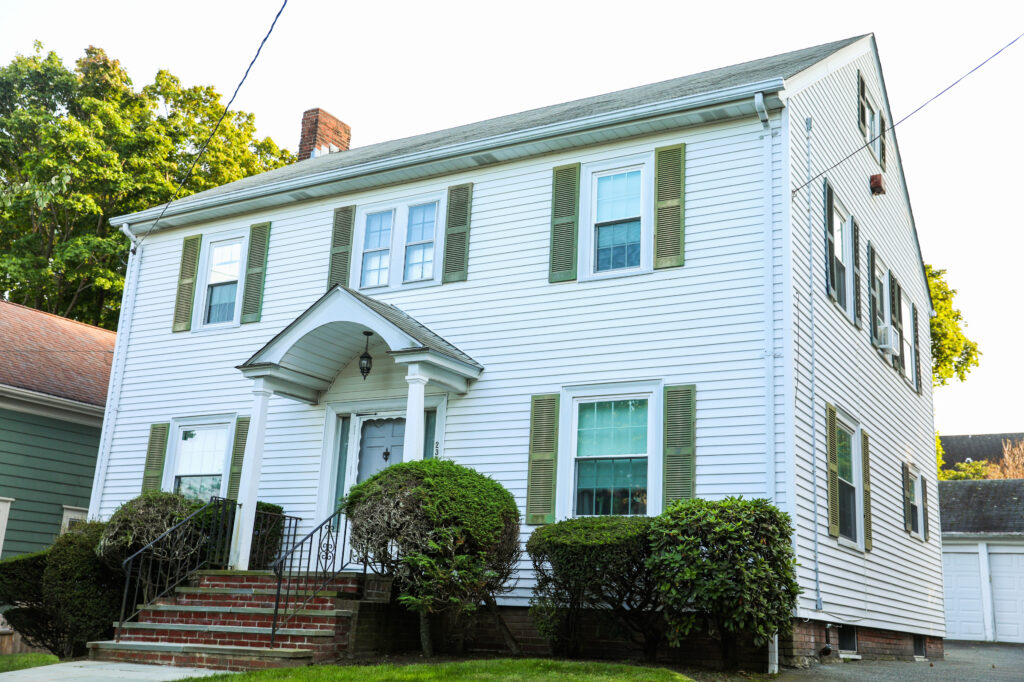
Adding a canopy over your exterior door is one of the most practical upgrades you can make to your home’s exterior. While it adds a touch of architectural interest, its primary role is functional: protecting your entryway from the relentless assault of rain, sun, and snow. However, not all canopies are created equal. The material and design you choose will dictate how well the structure performs over time.
At Masterpiece Roofing, we see the canopy as a specialized extension of your roof. Just as you wouldn’t choose the wrong shingles for your climate, you shouldn’t choose a canopy that isn’t engineered for your local weather conditions.
Quick Answer: Material and Design Determine Durability
The durability of a door canopy is almost entirely dependent on its material composition and how it is anchored to your home. While a fabric awning might be sufficient for a sun-drenched coastal home, a heavy-duty metal or wood-framed canopy is essential for regions prone to winter storms.
Why Some Canopies Fail in Snow-Heavy Areas
In the northern United States, the biggest threat to a canopy is static load. Snow is heavy, and “wet” snow is even heavier. Lightweight canopies made of thin plastic or unreinforced fabric often buckle or pull away from the wall during a blizzard because they weren’t designed to support the weight of several inches of accumulation. To avoid failure, a canopy must have a rated snow load and a sufficient slope to shed debris.
Common Types of Door Canopies
Metal Canopies
Metal is the gold standard for long-term durability.
- Aluminum: Highly popular in the US because it is rust-proof and lightweight. Many aluminum canopies feature a “slat” design that allows for drainage while providing 100% UV protection.
- Copper: Often found on high-end or historic homes, copper canopies offer incredible longevity and develop a beautiful patina over time. They are heavy and require professional structural anchoring.
- Steel: Typically used for industrial-style or modern homes, steel is incredibly strong but must be properly galvanized or powder-coated to prevent rust.
Polycarbonate Canopies
Polycarbonate is a modern, high-impact plastic that is virtually unbreakable.
- The Benefit: These canopies allow natural light to reach your door while blocking 99% of harmful UV rays. This is ideal if you have a dark entryway but still want rain protection.
- The Build: Most polycarbonate canopies feature aluminum or engineered plastic brackets. While they are great for rain, ensure the model you choose is rated for your local wind and snow requirements.
Fabric and Retractable Canopies
Fabric canopies (awnings) are primarily used for sun shading.
- Materials: Usually made from acrylic or polyester fabrics (like Sunbrella) that are treated to be water-resistant.
- Limitations: While they add great “curb appeal,” they are the least durable against heavy weather. Most retractable versions must be pulled in during high winds or snow to prevent the arms from snapping.
Choosing the Right Door Canopy
Climate Considerations
- High Wind Zones: Look for canopies with solid metal brackets and through-bolt mounting systems that can withstand uplift.
- Heavy Snow Zones: Prioritize a steep pitch (slope). A steeper angle ensures that snow slides off rather than piling up. Metal or glass-reinforced canopies are best here.
- High Heat/Sun: Light-colored metal or opaque polycarbonate will reflect heat, keeping your entryway significantly cooler in the summer months.
Load-Bearing and Slope Requirements
In the US, building codes often specify that any permanent structure attached to a house must handle a specific “pounds per square foot” (PSF) load. Professional-grade canopies are designed to distribute this weight back into the wall studs of the house, ensuring the structure doesn’t sag over time.
Door Canopies and Water Management
Preventing Ice Buildup
A well-designed canopy prevents “ice damming” at your front door. By shedding water away from the door frame, it prevents the threshold from freezing shut during the winter—a common safety hazard.
Directing Runoff Away from Foundations
Without a canopy, rain falls directly onto your doorstep and can seep into the foundation or crawlspace. A canopy with a built-in drip edge or small gutter system ensures that water is cast several feet away from the home’s base, preserving your foundation’s integrity.
FAQs
Are door canopies waterproof?
Most metal and polycarbonate canopies are 100% waterproof. Fabric canopies are typically “water-resistant,” meaning they will shed a light rain but may eventually allow moisture to mist through during a heavy, prolonged downpour.
Can canopies handle snow load?
Only if they are specifically rated for it. Always check the manufacturer’s PSF (pounds per square foot) rating. At Masterpiece Roofing, we recommend fixed metal or wood-framed structures for any home in a climate that sees regular snowfall.
How long do door canopies last?
- Fabric: 5–8 years (fabric may need replacing).
- Polycarbonate: 10–15 years.
- Metal/Aluminum: 25–50+ years.
Master Your Home’s Defense with Masterpiece Roofing
Whether you are looking for the modern aesthetic of polycarbonate or the rugged durability of standing-seam metal, a door canopy is a vital part of your home’s weatherproofing strategy. At Masterpiece Roofing, we provide the expert knowledge to ensure your canopy is properly flashed, anchored, and integrated into your home’s existing roofing system.
Ready to protect your entryway with a professional-grade canopy? Contact Masterpiece Roofing today for a free estimate and exterior evaluation!