
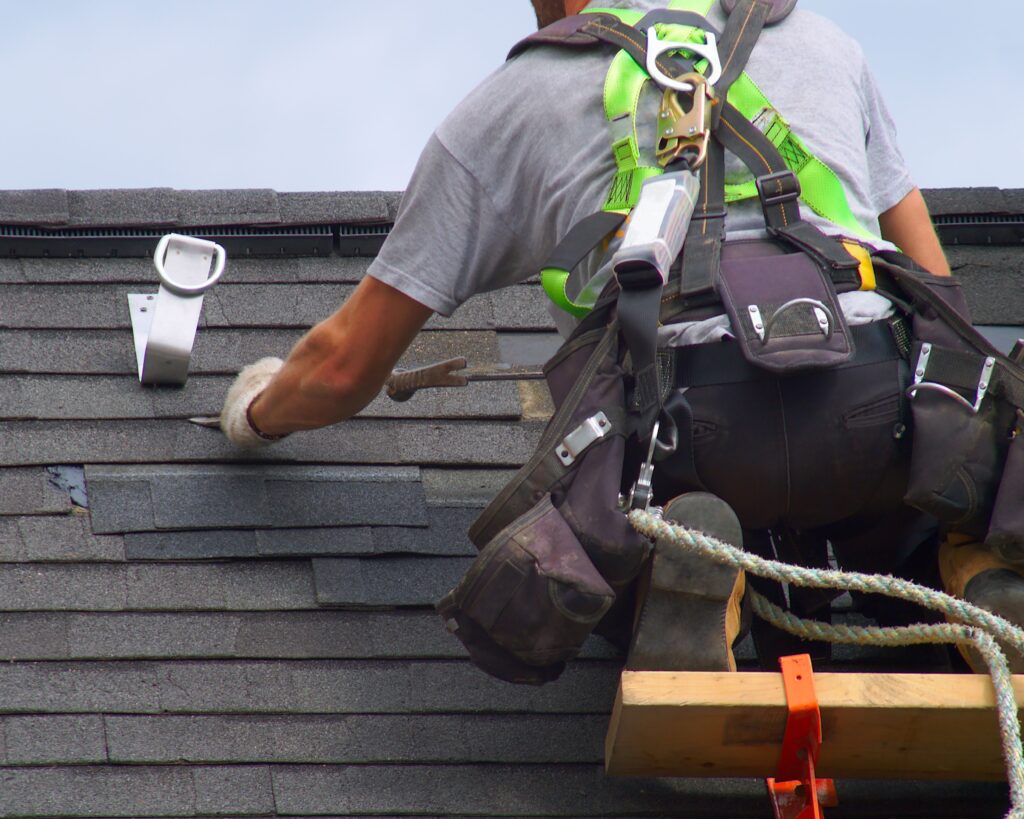
Storm damage can be a major headache for any homeowner. From high winds that rip away shingles to hail that leaves dents and cracks, the aftermath can be overwhelming. Knowing what to look for and how to approach repairs is key to protecting your home and your investment. This guide will walk you through the types of damage, the options for repair, and the benefits of hiring a professional.
Common Types of Storm Damage
Not all storm damage is the same. Recognizing the specific type of damage your roof has sustained is the first step toward a proper repair.
Missing shingles from wind
High winds can easily get underneath loose or aged shingles and tear them away completely. This leaves the underlying roof decking and tar paper exposed, making your home extremely vulnerable to water intrusion during the next rainfall.
Hail dents and cracks
Hailstones can cause significant damage, especially on asphalt shingle roofs. Even small hail can lead to a loss of granules, which are the protective coating on shingles. Larger hail can cause dents, cracks, or fractures in the shingles themselves, compromising their ability to shed water.
Water intrusion from heavy rain
If your roof is compromised by wind or hail, heavy rain can easily find its way into your attic and home. Signs of water intrusion include water stains on ceilings, peeling paint, or a musty odor. This type of damage can lead to mold, rot, and structural problems if not addressed quickly.
Roof Repair vs Replacement
Deciding whether to repair or replace your roof is a major decision. The best choice depends on the age of your roof and the extent of the damage.
Minor fixes for small issues
If the damage is isolated to a few sections and your roof is relatively young (generally less than 15 years old), a repair is often the most cost-effective solution. This might involve replacing a few dozen shingles, repairing a section of flashing, or patching a small puncture.
When replacement is more cost-effective
When damage is widespread—affecting multiple sections of the roof—or if your roof is nearing the end of its lifespan, a full replacement is often the better long-term investment. While more expensive upfront, a new roof offers a fresh start and provides peace of mind that your home is protected for decades to come.
Cost of Storm Damage Repairs
The cost of repairing storm damage varies widely depending on the type and extent of the damage.
Average repair pricing
For minor repairs, you might expect to pay a few hundred dollars. This covers labor and materials for simple fixes like replacing shingles or small sections of flashing.
Factors that increase costs
The cost will increase for more complex jobs, such as repairing a leak that has caused interior damage or replacing large sections of the roof. Roof pitch (how steep the roof is), the type of roofing material, and the need for emergency repairs can also significantly affect the final price.
Hiring Professionals
When dealing with storm damage, it’s best to leave the work to the experts.
Why DIY repairs aren’t recommended
Repairing a roof is dangerous and requires specific skills and equipment. Without proper training, you could injure yourself or cause more damage to your roof. Additionally, a DIY repair might not be up to building codes and could void your home insurance policy.
Benefits of licensed roofing contractors
A licensed and insured roofing contractor knows how to properly assess damage, make repairs that will last, and provide documentation for your insurance claim. They can ensure that the job is done safely and correctly, giving you peace of mind that your home is protected.
Need a professional to assess your roof’s storm damage? Masterpiece Roofing offers free, no-obligation inspections and provides expert repair and replacement services. Contact us today to restore your roof’s integrity.