
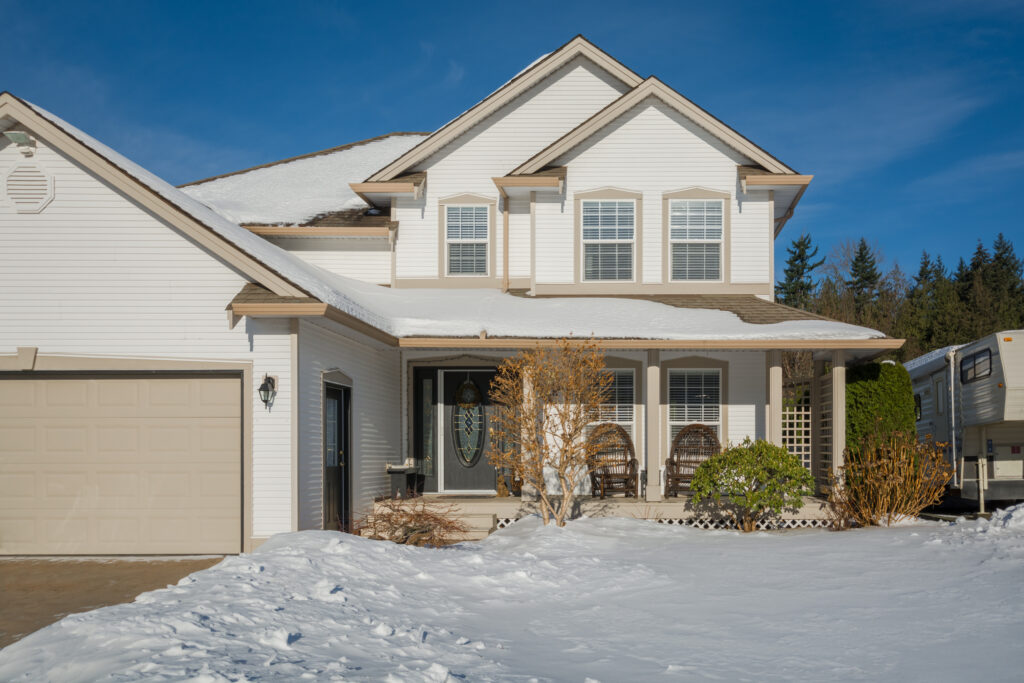
Winter weather poses unique and significant threats to your home’s roofing system. From heavy snow loads and freeze-thaw cycles to the formation of destructive ice dams, cold temperatures can turn minor issues into costly structural damage. Being proactive before and during the coldest months is the best way to ensure your roof remains watertight and structurally sound.
This guide details the common risks of winter, essential preparation steps, and the professional services available to keep your roof safe until spring.
Why Winter Is the Most Critical Time for Roof Protection
The combination of extreme cold and fluctuating moisture creates stress points on materials that are not present in warmer months.
Common Winter Roof Problems (Ice Dams, Leaks, Sagging)
- Ice Dams: This is the most common and damaging winter issue. Ice dams form when heat escaping from the attic melts snow on the upper part of the roof. This water runs down the roof surface until it reaches the cold overhang (eave), where it refreezes, creating a barrier (the dam). The pooled water backs up under the shingles, leading to significant leaks inside walls and ceilings.
- Worsening Leaks: Existing small leaks or compromised flashing often become major problems in winter. The repeated freezing and thawing cycles (the freeze-thaw effect) cause water trapped in small cracks to expand, widening those cracks and accelerating material failure.
- Structural Sagging (Snow Load): While modern roofs are engineered to handle typical snow loads, prolonged, heavy accumulation or multiple layers of ice (which is significantly heavier than snow) can stress rafters and decking, potentially leading to structural sagging or collapse in extreme cases.
How Cold Temperatures Worsen Existing Roof Issues
Cold temperatures directly impact the performance and flexibility of roofing materials:
- Material Brittleness: Asphalt shingles become brittle and lose their flexibility in extreme cold. This makes them highly susceptible to cracking and breaking when subjected to wind or minor impact (like slipping ice).
- Sealant Failure: The sealants and caulking used around flashing, vents, and chimneys harden and shrink in the cold. This loss of elasticity creates gaps that allow melting water from snow and ice to penetrate the roofing system.
- Thermal Shock: The rapid temperature swings between a warm attic space and freezing outdoor temperatures cause materials to expand and contract dramatically. This constant movement wears down the bond between shingles and fatigues metal components.
Essential Steps to Winter-Proof Your Roof
Proper preparation involves addressing both the exterior defense (the shingles and gutters) and the interior climate control (the attic).
Inspect Shingles, Flashing, and Ventilation
- Shingle Check: Before the snow flies, repair or replace any missing, cracked, or curling shingles. Ensure all fasteners are tight.
- Seal Flashing: Carefully inspect the metal flashing around chimneys, vents, and skylights. Apply fresh, cold-weather-rated sealant or caulk to any visible gaps or deteriorated seams.
- Ensure Proper Ventilation: Confirm that both intake vents (soffits) and exhaust vents (ridge or static vents) are clear of obstruction. Proper airflow in the attic is crucial for keeping the roof deck cold, which helps prevent snow from melting and thus prevents ice dams.
Clear Gutters and Remove Debris
The single most effective defense against ice dams is maintaining clear gutters.
- Thorough Cleaning: Remove all leaves, pine needles, and sediment from gutters and downspouts. Even a partial clog can impede drainage and cause meltwater to back up when temperatures drop.
- Downspout Extension: Ensure downspout extensions direct water several feet away from the home’s foundation to prevent water from refreezing near the structure and causing foundation issues.
Check Attic Insulation to Prevent Ice Dams
Ice dams are primarily an attic problem, not a roof problem. They are caused by uncontrolled heat loss.
- Insulation Depth: Check that your attic has adequate insulation (often R-38 or higher in colder climates) and that it is evenly distributed. Heat loss through poor insulation melts the snow on the roof deck.
- Seal Air Leaks: Locate and seal any path where warm air from the living space below can enter the attic. Common culprits include recessed lights, bath fan exhaust pipes, and penetrations around plumbing and electrical wiring. Use fire-rated caulk or foam as appropriate.
Professional Services That Help Protect Your Roof
While homeowners can handle minor cleanup, complex winter threats require specialized knowledge and equipment.
Winter Roof Inspections
A professional pre-winter inspection focuses specifically on winter vulnerabilities, such as flashing integrity, the condition of the underlayment, and the overall health of the ventilation system. Contractors use this inspection to perform necessary small repairs (like resealing a vent boot) before the roof is locked under snow and ice.
Emergency Leak Repair
Winter leaks are often immediate and severe due to ice damming. Professional roofing services offer emergency tarping or temporary sealing solutions to mitigate immediate water damage until permanent repairs can be made once the weather permits safe work.
Ice Dam Removal
Removing a large ice dam safely is a dangerous task best left to professionals. Contractors often use specialized, low-pressure steam equipment to cut through the ice, removing it in sections without damaging the underlying shingles. Never use a hammer, chisel, or rock salt, as these methods severely damage roofing materials.
Gutter Maintenance & Snow Load Assessment
Contractors can install specialized gutter heating cables (self-regulating cables) in eaves and downspouts to ensure continuous drainage, preventing dams from forming. For flat or low-slope roofs in areas with heavy snowfall, professionals can assess the safe snow load and execute strategic, safe snow removal to prevent structural overloading.
Homeowner FAQs About Winter Roofing
“Do I need to remove snow from my roof?”
Generally, no, unless you have a low-slope or flat roof, or if the snow accumulation exceeds 4-6 feet of fresh snow or 2 feet of heavy, wet snow/ice. Modern residential roofs are designed to handle typical snow loads. If you are concerned about accumulation or see signs of structural distress (like doors sticking or interior cracking), hire a professional service to assess and safely remove the snow.
“Can roofing work be done in winter?”
Yes, limited work can be done, but it is challenging. Emergency repairs (like leak mitigation or shingle blow-off replacement) are always possible. However, major installations (like a full shingle replacement) are often delayed until temperatures are consistently above freezing because asphalt shingles require warm temperatures to activate the thermal sealant strip necessary to bond them tightly to the layer below.
“How do I prevent ice dams on my home?”
The most effective prevention is a two-pronged approach:
- Improve Insulation: Ensure the attic floor is heavily and evenly insulated to keep heat out of the attic space.
- Improve Ventilation: Ensure continuous and adequate airflow from the soffit vents (intake) to the ridge vents (exhaust) to keep the attic air cold, matching the outside temperature, so snow does not melt unevenly.
Don’t let winter storms compromise your home’s integrity. Ensure your roof is prepared to defend against the harshest elements.
Masterpiece Roofing offers comprehensive winterization services, including pre-season inspections, insulation assessments, and expert ice dam prevention and removal. Contact us today to secure your roof for the cold months ahead.