
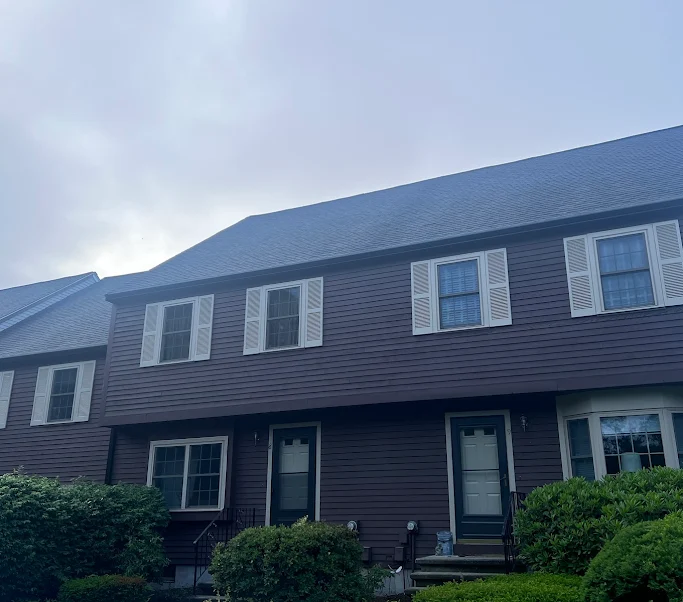
Vinyl siding is the most popular exterior cladding in the United States, favored for its versatility, low maintenance, and cost-effectiveness. However, proper installation is critical for performance; vinyl must be attached loosely to allow for the significant expansion and contraction caused by temperature fluctuations. Failure to adhere to these specific techniques can lead to warping and buckling.
Masterpiece Roofing utilizes professional-grade methods and materials to ensure your vinyl siding is installed correctly, providing a durable, beautiful, and maintenance-free exterior.
Preparatory Steps Before Installation
Proper preparation of the substrate is essential to guarantee a waterproof, well-insulated, and structurally sound surface for the new cladding.
Remove Old Siding, Inspect Sheathing, and Framing
Before beginning, the old siding (e.g., wood shingles or aluminum panels) should ideally be removed. This allows the contractor to:
- Inspect Sheathing: Check the integrity of the underlying plywood or OSB sheathing for signs of rot or water damage and repair as necessary.
- Inspect Framing: Ensure the wall studs and framing are sound and plumb (straight) to provide a flat surface for the new siding.
Install House Wrap, Ensure Effective Flashing, and Adjust for Windows/Doors
- House Wrap: A water-resistive barrier (WRB), such as house wrap, must be applied over the sheathing. This layer prevents water penetration while allowing moisture vapor to escape the wall cavity, crucial for preventing rot and mold.
- Flashing: Effective window and door flashing, often using flexible or self-adhering tape, is necessary to divert water away from window and door openings. This is a critical step that must precede the siding installation.
- Furring Strips: In some cases, treated lumber strips (furring) may be added to level out irregular walls or create an air space for drainage and ventilation behind the siding.
The Installation Process
Vinyl siding is installed using a system of interlocking pieces and trim that work together to manage water and allow thermal movement.
Starter Strip, Corner Trim, Then Lap Siding Panels
- Starter Strip: The bottom-most piece that locks the first course of siding in place. It must be installed level, as the rest of the siding will follow its line.
- Corner Trim: Inside and outside corner posts are installed first, providing the finished edges that the siding panels will tuck into.
- Lapping: Siding panels are applied one course at a time, starting from the bottom and working up. Each piece should overlap the previous one by about 1 inch (the standard lap), ensuring water sheds correctly.
Use Appropriate Fasteners, Allow for Expansion/Contraction
- Fasteners: Siding is attached using rust-resistant roofing nails or screws. These should be driven into the center of the pre-punched slots, not the ends.
- Crucial Rule: The nail head must not be driven tightly against the vinyl. It must be left slightly loose—about $1/32$ inch clearance (the thickness of a dime)—to allow the panel to slide freely sideways with temperature changes.
- Clearance: Maintain a $1/4$ inch gap where the siding ends meet the trim pieces (like corner posts or J-channels). This gap is where the siding expands into on hot days.
Quality & Performance Considerations
Choosing the right type of vinyl and ensuring proper application guarantees long-term durability.
Insulated vs. Non-Insulated Vinyl Siding
- Non-Insulated: The traditional, hollow vinyl panel. It provides water resistance but minimal thermal resistance.
- Insulated Siding: Features rigid foam insulation pre-laminated or fitted to the back of the vinyl panel. This increases the wall’s R-value, offers superior impact resistance, and provides a much flatter, more rigid appearance, reducing the typical “wavy” look of standard vinyl.
Proper Attachment to Avoid Warping, Buckling
The most common failure in vinyl siding is buckling or waving caused by installers driving the nails too tightly. When the sun heats the panel, it expands, but because the nail prevents movement, the panel is forced to buckle outward. Professional installation meticulously maintains the clearance gap to prevent this issue.
Cost Reference & Factors (for your content purpose)
The cost to install vinyl siding varies widely, but typically ranges from $3.00 to $7.00 per square foot, including materials and labor.
Typical Cost Ranges, Complexity, Home Shape Affect Price.
- Material Choice: Insulated vinyl siding costs significantly more than non-insulated siding. Premium colors (darker shades) can also increase material costs.
- Complexity: Homes with multiple stories, many windows, and complex architectural shapes (e.g., dormers, gables) require extensive cutting, trimming, and specialized equipment (scaffolding/lifts), dramatically increasing labor time and cost.
- Prep Work: If the old siding must be removed, or if significant sheathing repair is necessary, these factors will add to the final price.
FAQs
“Can I install vinyl siding over old siding?”
Yes, in some cases. It is possible to install new vinyl siding directly over old, flat siding (like wood shiplap or existing vinyl), provided the existing wall is structurally sound and flat. However, professional contractors highly recommend removing the old siding to fully inspect the sub-structure, repair any hidden rot, and ensure a smooth, stable foundation for the best result.
“How long does vinyl siding last?”
High-quality vinyl siding, installed correctly, has an expected lifespan of 20 to 40 years. Its longevity is largely dependent on the quality of the material (resistance to fading and impact damage) and ensuring the installer allowed for proper thermal movement.
“Does vinyl siding reduce my energy costs?”
Non-insulated vinyl siding offers very little thermal benefit on its own. Its main function is weather protection. However, insulated vinyl siding adds R-value to the wall assembly, bridging thermal gaps over the studs and significantly reducing heat transfer, which can lead to noticeable reductions in heating and cooling bills.
Ensure your investment in vinyl siding is protected by professional, code-compliant installation techniques.
Contact Masterpiece Roofing today for a detailed siding consultation and exterior integrity assessment.