
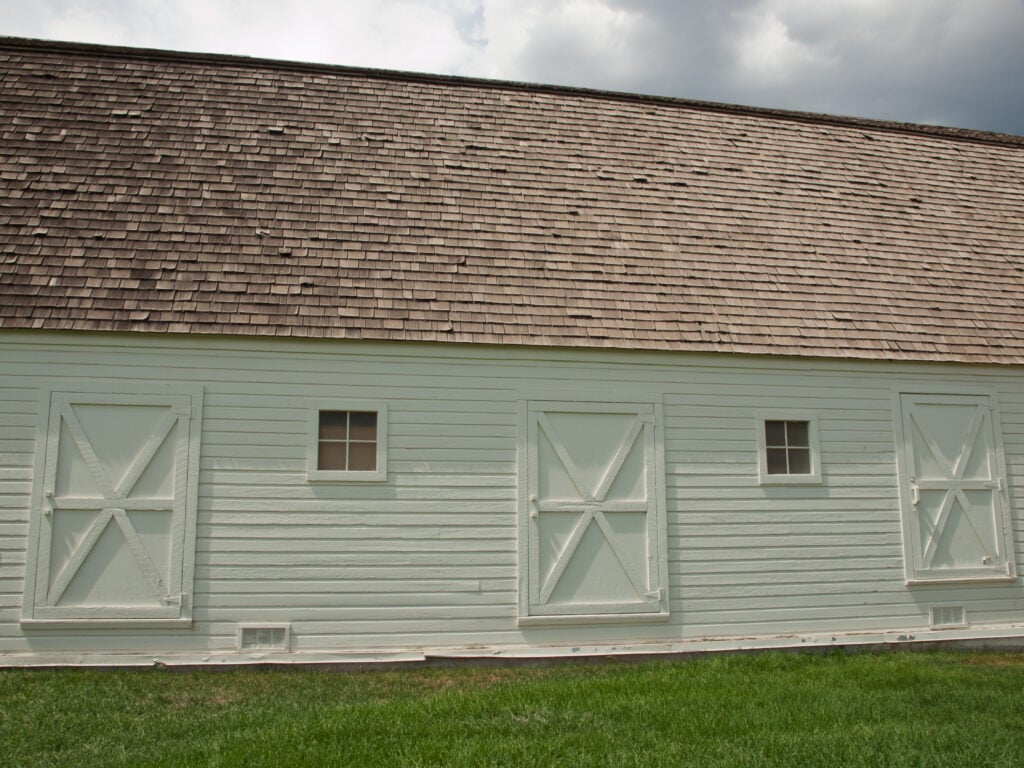
The cap of a cedar shingle roof, often referred to as the ridge cap, is more than just a finishing touch; it’s a critical component that ensures the roof’s long-term integrity and weather resistance. While the field shingles protect the main slopes, the ridge is the most exposed part of the roof, vulnerable to direct weather assault from all directions. Understanding how to cap a cedar shingle roof correctly involves specialized techniques, material choices, and meticulous attention to detail to ensure both durability and aesthetic harmony with the natural beauty of cedar.
Why proper roof capping matters
The ridge of any roof is its apex, the highest horizontal line where two opposing roof planes meet. This makes it inherently vulnerable, and improper capping can lead to significant problems:
- Primary Point of Water Entry: The ridge line is a natural pathway for water to penetrate the roof structure if not properly sealed. Rain, snow, and ice can easily seep into the attic or building interior through poorly capped ridges.
- Wind Uplift Vulnerability: During high winds, the ridge is subjected to immense uplift forces. Securely fastened ridge caps prevent the wind from getting underneath the field shingles and tearing off sections of the roof.
- Pest and Debris Entry: Gaps in the ridge cap can allow birds, rodents, insects, and blowing debris (leaves, needles) to enter the attic space, causing damage, insulation issues, and potential health hazards.
- Ventilation Integration: Many cedar roofs utilize ridge vents for attic ventilation. The capping process must properly integrate these vents to allow for continuous airflow while maintaining weatherproofing.
- Aesthetic Completion: A well-capped ridge provides a clean, finished look, tying the entire cedar roof system together and enhancing its curb appeal. A poorly capped ridge can detract significantly from the roof’s natural beauty.
- Warranty Compliance: Manufacturers often specify proper capping techniques for their cedar products. Deviating from these can void your roof’s warranty.
Choosing cap materials: Cedar vs. Synthetic
When capping a cedar shingle roof, you primarily have two material choices, each with its own benefits.
Cedar ridge caps (Natural)
- Description: Typically thicker, pre-formed cedar shakes or shingles that are specifically cut and tapered for ridge application. They often come in bundles and are installed individually.
- Aesthetics: Provide the most authentic and harmonious look, perfectly matching the texture and natural weathering process of the field cedar shingles. They offer a continuous, organic appearance.
- Durability: High-quality cedar ridge caps will match the longevity of the field shingles (20-50+ years), provided they are properly maintained.
- Installation: Requires skilled craftsmanship to properly cut, angle, and nail for optimal weatherproofing and aesthetic appeal.
- Cost: Generally higher in material cost than synthetic alternatives, and labor costs can be higher due to specialized installation.
Synthetic ridge caps (Composite)
- Description: Manufactured from composite materials (often recycled rubber and plastics) designed to mimic the appearance of cedar shakes or shingles. They are pre-formed and designed for consistent application.
- Aesthetics: Can be a very convincing alternative to natural cedar, especially from a distance. Available in various colors and profiles to match different cedar types. Offers a more uniform and consistent look than natural cedar.
- Durability: Often come with very long warranties (30-50+ years), offering excellent resistance to UV, impact, and rot. They are generally lower maintenance as they don’t require wood treatments.
- Installation: Typically easier and faster to install due to their consistent sizing and pre-set nail lines, which can reduce labor costs.
- Cost: Often more cost-effective than natural cedar, offering a good balance between aesthetics and budget.
- Consideration: Ensure the chosen synthetic cap genuinely complements the natural aging process and color of your specific cedar shingles.
Choosing the right material depends on your budget, desired aesthetic (authentic natural vs. uniform engineered), and long-term maintenance preferences.
Step-by-step capping process
A simplified overview of the professional cedar ridge capping process:
- Preparation:
- Ensure the main field shingles are fully installed and secure, extending up to the ridge line.
- If installing a ridge vent, ensure it is properly placed and secured along the ridge, allowing for continuous airflow while preventing water intrusion.
- Underlayment/Flashing:
- Install a continuous strip of underlayment (e.g., self-adhering membrane, heavy felt, or lead/copper roll flashing) over the ridge line. This provides a critical secondary waterproofing barrier beneath the cap. This layer should overlap the highest course of field shingles.
- Laying the Cap Shingles/Shakes:
- Start at the end of the ridge opposite the prevailing winds or a less visible end.
- Apply the first cedar ridge cap (or synthetic equivalent) by centering it over the ridge.
- Fastening: Use two non-corroding, ring-shank nails (e.g., copper or stainless steel) per side, placed approximately 1-1.5 inches from the butt end of the cap and 0.75-1 inch in from the edge. This placement allows the nail head to be fully covered by the overlapping next cap. Nails must penetrate through the underlayment and into the ridge board.
- Overlap (Exposure): The next cap is installed by overlapping the previous one by a specific exposure amount (e.g., 5-7 inches, depending on the cap’s length and roof pitch). This overlap ensures that the fasteners of the underlying cap are fully concealed and protected from the elements.
- Weaving Corners (for Hip and Ridge): For hip roofs, the hip ridges are capped first, working upwards from the eaves. The main ridge cap is then applied last, overlapping the hip caps to ensure proper water shedding. This requires careful cutting and fitting.
- Finishing the End: At the end of the ridge, the final cap may need to be cut to size, or a specialized cap piece may be installed to provide a clean, weather-tight seal. Seal any exposed nail heads on the very last cap with a compatible sealant, if necessary (though proper overlap should minimize this).
- Cleanup: Remove any debris, stray nails, or cut pieces from the roof and gutters.
Weatherproofing and flashing details
Meticulous weatherproofing and flashing are non-negotiable for a truly durable cedar roof cap.
- Ridge Underlayment: A high-quality underlayment beneath the cap shingles is critical. This could be a specialized synthetic underlayment, heavy roofing felt, or, for premium installations, a continuous roll of lead or copper flashing that provides a long-lasting, watertight base.
- Venting Integration: If using a ridge vent for attic ventilation, the capping process must allow for continuous airflow along the ridge while preventing water and pest intrusion. The ridge vent itself must be properly installed and sealed to the roof deck before the final cap is applied over it.
- Fasteners: Only use corrosion-resistant nails (copper or stainless steel). Galvanized nails will eventually rust and fail, leading to slipped or lost caps.
- Sealants (Minimal Use): While some sealants might be used sparingly for exposed nail heads on the very last cap, a properly installed cedar cap relies on gravity, overlap, and quality fasteners for its weatherproofing.
Contact Masterpiece Roofing
Ready to get started on your roofing project? Masterpiece Roofing is here to help with all your roofing needs in Massachusetts. Contact us today for a free consultation and estimate.
Phone: (508) 533-0499
Email: info@masterpieceroof.com
Service Areas: Holliston, Ashland, Medway, Millis, and surrounding Massachusetts communities