
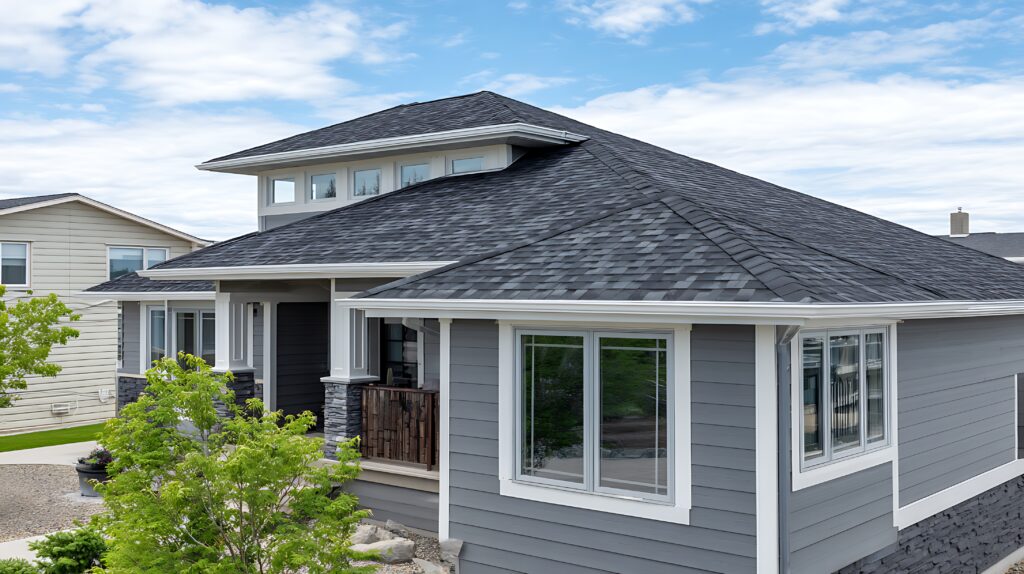
When considering the most durable and long-lasting roofing materials available to homeowners, slate is arguably the undisputed champion. A properly installed slate roof is not merely a covering; it is a permanent architectural feature designed to last for generations.
If you are a homeowner considering investing in a slate roof, or if you own a historic property with an existing slate system, understanding its lifespan and maintenance needs is crucial for protecting your investment.
Understanding Slate Roofing: Benefits & Expectations
Slate has protected structures for centuries, offering unparalleled durability, natural beauty, and fire resistance.
What is Slate Roofing?
Slate is a fine-grained, metamorphic rock that is split into thin, uniform tiles (or “shingles”). This natural stone is dense and almost completely non-porous, making it inherently resistant to water absorption, freezing, and thawing cycles. The tiles are installed individually, overlapping in layers to create an impenetrable barrier that can withstand decades of harsh weather.
Typical Lifespan Ranges (75-100+ Years) and What Affects It
The typical lifespan of a slate roof far surpasses that of conventional materials:
- Asphalt Shingles: 15–30 years
- Metal Roofing (Standing Seam): 40–70 years
- Slate Roofing: 75 to 150 years or more
It is common to find slate roofs on historic buildings that are well over 100 years old and still performing perfectly. While the material itself has an incredibly long life, the actual longevity of the system depends on several critical factors, primarily related to the quality of the installation and the specific grade of slate used.
Key Factors Influencing Slate Roof Longevity
The impressive lifespan of slate is only realized when several key variables align during installation and ownership.
Quality of Installation and Flashing
The single most critical factor determining a slate roof’s longevity is the skill of the installer. A slate roof installation is a highly specialized craft, not a standard roofing job. Issues stemming from poor installation include:
- Improper Overlap: Slates must be placed with the correct exposure and overlap to ensure a watertight system.
- Incorrect Fasteners: Slates must be secured with copper or stainless-steel nails. Using standard galvanized nails will cause the nails to rust and fail long before the slate, leading to slipped tiles and major leaks.
- Failing Flashing: The valleys, chimneys, and pipe penetrations must be flashed with durable, long-lasting materials, typically copper, which matches the lifespan of the slate itself. If soft metal flashing (like standard aluminum) is used, the system will fail prematurely, forcing major repairs just to replace the flashing every 20-30 years.
Type and Grade of Slate Material
Slate quality varies widely depending on its geological origin and mineral composition. Slates are classified by their expected life:
- S1 Grade (Premium): Expected to last 75 to 150+ years. This high-grade material has a very low absorption rate and minimal tendency to weather or fade.
- S2 Grade (Medium): Expected to last 40 to 75 years.
- S3 Grade (Lower): Expected to last 20 to 40 years.
A quality contractor will always specify and source S1 grade slate for a new installation to ensure the homeowner gets the maximum return on their investment.
Weather Exposure, Maintenance, and Structural Support
While slate is extremely durable, external factors can play a role:
- Tree Debris: Fallen tree limbs can crack slates. While individual tiles are replaced relatively easily, large impacts can cause significant localized damage.
- Structural Integrity: The roof deck and underlying structure must be robust enough to handle the weight of slate, which is significantly heavier than asphalt shingles. Any structural movement or settling can put stress on the entire system.
- Foot Traffic: Slate is brittle and can be easily broken by inexperienced individuals walking on the roof. Never allow anyone onto a slate roof who is not a trained slate professional.
When Should You Consider Replacing a Slate Roof?
Given the incredible lifespan of the material, a full slate roof replacement is rare and is typically only considered when the roof is nearing the end of its 100-150 year service life, or if there is catastrophic structural failure underneath.
Signs of Deterioration: Cracked/Slipped Slates, Failing Flashing
If your slate roof is younger than 75 years, the issues you see are likely isolated and repairable:
- Slipped Slates: If individual slates slide out, it is usually a sign of a failed nail (especially if galvanized nails were used). These can be repaired by a professional using copper or stainless-steel “slate hooks” or “snecking.”
- Cracked Slates: Individual slates may crack due to impacts or improper fastening. A trained slater can remove and replace the cracked tile without disturbing the surrounding tiles.
- Failing Flashing: If the flashings around chimneys or dormers are made of soft metal (not copper), they will degrade faster than the slate. The most common “major repair” on an older slate roof is replacing the perimeter and penetration flashings.
Still Good But Needs Major Repair? – Cost vs. Full Replacement
For a slate roof, the decision to repair versus replace is almost always weighted toward repair.
A new slate roof is one of the highest-cost roofing investments. As long as the majority of the slate tiles are in good condition (S1 grade) and the underlying decking is sound, investing in major repairs—like a full copper flashing replacement or repair of the underlayment—is far more economical than tearing off the entire system. Only when the vast majority of the slates are crumbling or the system is completely past its service life should full replacement be considered.
Maintenance Strategies to Maximize Lifespan
Proactive maintenance is the key to ensuring your slate roof reaches its maximum life expectancy.
Regular Inspections & Cleaning
- Twice-Annual Inspection: Have a trained professional inspect the roof in the spring and fall. They will look for minor cracks, slipped slates, and check the condition of the flashings.
- Gutter and Downspout Cleaning: Ensure the gutters are always clear. Clogged gutters can cause water to back up onto the roof deck and soak the underlayment, potentially leading to rot.
Addressing Minor Repairs Before They Escalate
The golden rule of slate roofing is to address small issues immediately. A single missing or cracked slate exposes the underlayment to sun and water, accelerating its deterioration. By replacing a damaged slate or resealing compromised flashing right away, you prevent a $50 repair from turning into a $5,000 structural water damage issue over time.
FAQs About Slate Roofing
“Is a slate roof worth the cost?”
Yes, especially for homeowners planning to stay in their property long-term. While the initial investment is significantly higher (often 3 to 5 times the cost of asphalt), the value proposition is unmatched:
- Lifetime Value: A slate roof lasts 3 to 5 times longer than asphalt, meaning you will never have to pay for a roof replacement again.
- Home Value: Slate is a premium feature that dramatically increases the property’s value and curb appeal.
- Insurance Savings: Slate’s Class A fire rating can sometimes lead to lower homeowners insurance premiums.
“Can you install new slate over an old roof?”
No. Slate is very heavy, and its installation requires precise layering and secure fastening directly to the roof deck. Trying to install slate over existing asphalt shingles or other materials would create an unstable, overly heavy, and structurally unsound system. A slate roof requires a full tear-off down to the decking.
“How does slate compare with metal or asphalt roofing?”
| Feature | Asphalt Shingles | Metal (Standing Seam) | Slate Tile |
| Lifespan | 15–30 years | 40–70 years | 75–150+ years |
| Durability | Moderate (hail risk) | High (impact resistant) | Extreme (fire and severe weather resistant) |
| Maintenance | Low (until replacement) | Low | Low (but requires specialized professionals) |
| Cost | Low | High | Very High |
| Aesthetics | Standard | Modern/Industrial | Premium, Natural, Timeless |
Slate roofing is an investment in your home’s future, durability, and elegance. To ensure your slate roof is installed using the highest quality S1 materials and expert craftsmanship, choose a specialized contractor.
Masterpiece Roofing provides comprehensive slate roof installation, repair, and maintenance services. Contact us today to discuss your project and schedule a professional assessment.