
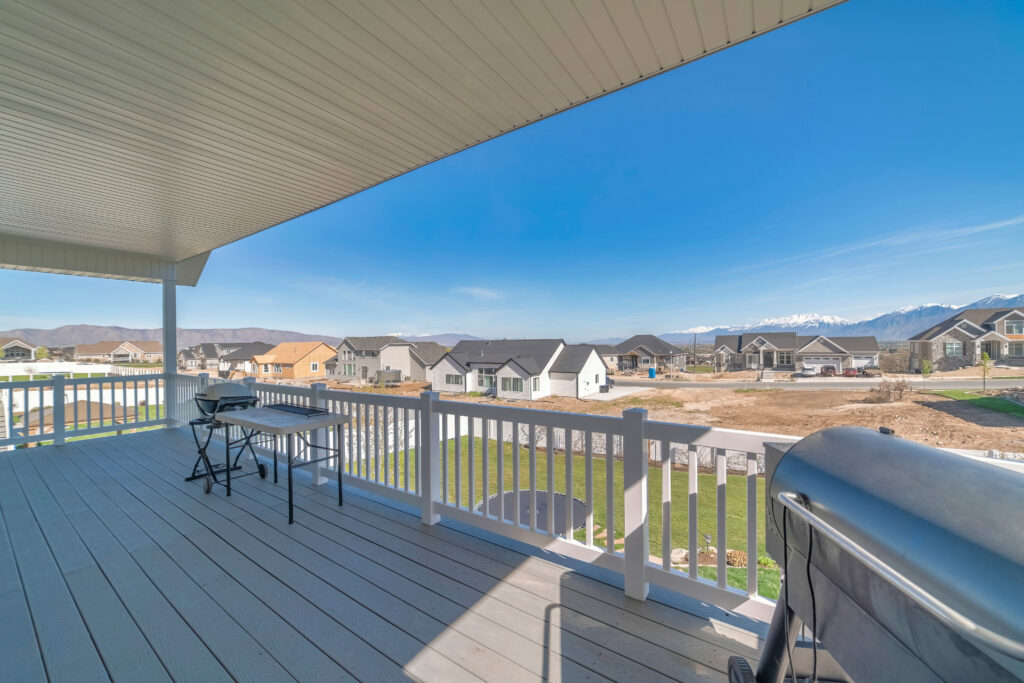
Deck maintenance is critical for safety and property value, but determining the cost of repair can be complex. The price tag for restoring an outdoor deck fluctuates wildly based on the extent of the damage, the materials involved, and local labor rates. Understanding the scope of the project—whether you need a simple board swap or a major structural overhaul—is the first step in budgeting your repair.
Average Deck Repair Cost Ranges
The total cost of deck repair typically falls into a broad range, reflecting the difference between cosmetic fixes and fundamental structural work.
Minor Repairs vs. Structural Repairs
- Minor/Cosmetic Repairs: These projects focus on the surface level and may include replacing a few damaged deck boards, resealing minor cracks, replacing broken balusters (spindles), or refinishing the entire deck surface. Costs for these isolated repairs are generally low to moderate, ranging from $100 to $800.
- Moderate Repairs: This level often involves addressing widespread rot in non-structural components, replacing sections of railing, fixing sinking footings, or re-securing the deck to the house. Costs usually run between $800 and $2,500.
- Major/Structural Repairs: These involve critical components that affect the deck’s safety, such as replacing or reinforcing ledger boards, main support beams, or numerous joists. Due to the high risk and specialized labor involved, these repairs often cost between $2,500 and $6,000+.
Why Costs Vary Widely by Project
The wide cost disparity is driven by:
- Hidden Damage: Often, contractors uncover more extensive rot or termite damage beneath the deck surface (especially in joists or ledger boards) after removing the decking, significantly increasing the time and materials needed.
- Material Matching: Matching aged or discontinued decking material (especially older composite or rare woods) can increase material costs.
- Accessibility: Decks on sloped yards or elevated decks that require specialized scaffolding will increase labor time and complexity.
Factors That Affect Deck Repair Cost
Several key variables determine the final price quote for a deck repair project.
Size of the Deck
While minor repairs are often calculated per piece (per board, per baluster), major structural work is tied directly to the deck’s square footage. Larger decks inherently have more joists, support posts, and boards, meaning greater material and labor costs for systemic issues. A small 100 sq ft deck repair will be significantly less expensive than repairing the structure of a 500 sq ft multi-level deck.
Type of Damage (Boards, Railings, Structure)
- Deck Boards (Decking): Replacing surface boards is typically the least expensive task, as the work is straightforward and easily accessible.
- Railings and Stairs: Replacing railings or rebuilding an entire set of stairs is moderately expensive. Stairs require precise cuts and structural integrity for safety, and custom railings (like metal or glass) have higher material costs than standard wood.
- Structure (Ledger Boards, Joists, Beams): Repairing these components is the most expensive type of work. Replacing a ledger board (the main connection point to the house) requires temporarily supporting the entire deck, demanding specialized skills and a significant time commitment.
Material (Wood vs. Composite)
The material of the existing deck affects both the cost and complexity of the repair:
- Treated Lumber (Wood): Repairs are generally less expensive in terms of material cost, as treated lumber is widely available and affordable. However, wood is subject to rot, meaning repairs are more frequent.
- Composite Decking: While the upfront cost of the material is higher, composite boards typically require less frequent repair. However, when a board does need replacement, the cost per linear foot for high-end composite material can be two to three times that of treated wood.
Labor and Local Building Codes
Labor accounts for the largest portion of the repair bill. Standard contractor rates can vary significantly by region. Furthermore:
- Skilled Labor: Structural repairs, especially those involving the ledger board or support posts, require experienced, licensed professionals, which command higher labor rates.
- Building Codes: If a repair exposes a non-code-compliant element (e.g., an improperly fastened ledger board or inadequate railing height), the contractor is legally obligated to bring the entire section up to current local codes. This “code creep” can add unexpected costs to the project.
Common Deck Repairs and Their Costs
Here are approximate cost ranges for common professional deck repairs (excluding the cost of a full deck refinishing or staining):
Replacing Deck Boards
- Scope: Replacing 5–10 damaged or rotted boards.
- Estimated Cost: $200 to $700 (for treated lumber or basic composite).
- Note: Costs increase for exotic hardwoods or specific composite brands.
Repairing Railings and Stairs
- Scope: Replacing a 10-foot section of railing (posts, top rail, and balusters) or rebuilding 3–4 stair treads and risers.
- Estimated Cost: $400 to $1,200 per section or stair repair.
- Note: This is a safety-critical area; high-quality materials and secure fastening are paramount.
Fixing Ledger Boards and Joists
- Scope: Reinforcing or replacing a significant section of the ledger board (the piece bolted to the house wall) or replacing 2–3 rotten joists.
- Estimated Cost: $1,500 to $4,500+.
- Note: This is the most complex repair, involving flashing replacement and ensuring proper water drainage away from the home’s structure.
Repair vs. Replacement: Which Is Better?
When facing major damage, homeowners must weigh the cost-effectiveness and safety of repair against a full replacement.
Cost Comparison
- The 25% Rule: If the cost of the necessary repairs (especially structural ones) exceeds 25% of the cost of a brand-new deck installation, replacement often offers a better long-term return on investment.
- Example: If a new 200 sq ft treated lumber deck costs $8,000, and the necessary repairs cost $2,500 ($2,000 to fix joists + $500 for boards), repair is still a viable option. If the repair cost climbs to $4,000, replacement becomes the smarter choice.
Safety and Lifespan Considerations
If the existing deck is nearing 20 years old, has extensive structural damage in multiple locations, or was built before modern safety codes were implemented, repair may not be sufficient to guarantee safety. A full replacement allows the contractor to start with a new foundation, ensuring all footings, flashing, and fasteners meet current standards, guaranteeing maximum safety and a new 15-25 year lifespan.
FAQs
Is Deck Repair Covered by Insurance?
Generally, no. Standard homeowner’s insurance policies cover sudden and accidental damage, such as damage from a severe storm (wind, hail) or a fire. Insurance typically does not cover damage resulting from negligence, lack of maintenance, rot, mold, or gradual deterioration.
How Long Does Deck Repair Take?
The timeline is heavily dependent on the scope.
- Minor Repairs (e.g., replacing a dozen boards): 1–2 days.
- Moderate Repairs (e.g., fixing railings and steps): 2–4 days.
- Major Structural Repairs (e.g., ledger board replacement): 3–7 days, as this work often involves multiple phases and code inspections.
Does Deck Repair Increase Home Value?
Yes, high-quality, safe deck repair significantly maintains or increases home value. A well-maintained deck is a critical part of the home’s exterior appeal (curb appeal) and outdoor living space. Conversely, a damaged or unsafe deck is a major liability that can actively decrease a home’s value and deter potential buyers.
Are you ready to ensure your deck is safe, secure, and ready for enjoyment?
Contact us today for a professional deck inspection and a detailed, no-obligation repair quote tailored to your specific needs.