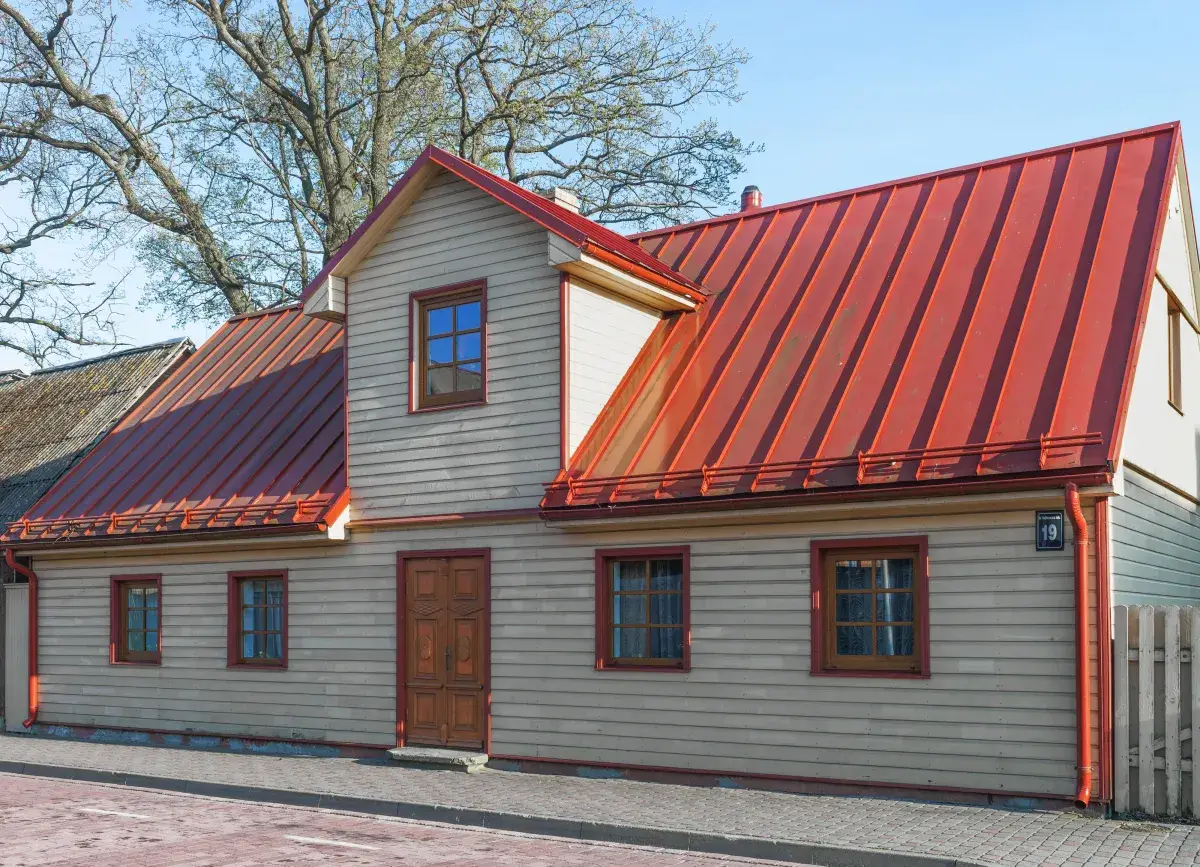
The term “tin roof” often conjures images of rustic farmhouses or older homes, typically referring to roofs made of galvanized steel or even historic terne-coated steel. While modern metal roofs come with advanced factory finishes, older “tin” roofs might show signs of age, such as fading, chalking, or even rust. This prompts a common question: Can you paint a tin roof? The answer is a resounding yes, and it can be a highly effective way to extend the roof’s life, enhance its aesthetics, and even improve its energy efficiency, provided you follow the right steps and use the correct products.
When painting tin roofs is effective
Painting an older “tin” roof is not just a cosmetic refresh; it’s a vital maintenance task that can significantly extend its functional life, but it’s effective only under certain conditions.
- Surface Condition: Painting is most effective when the roof is structurally sound, with no major leaks or widespread deep corrosion that has compromised the metal. It’s ideal for roofs showing:
- Fading or Chalking: The original paint or coating has degraded, making the roof look dull or powdery.
- Minor Surface Rust: Small, superficial rust spots are present but haven’t eaten through the metal.
- Staining or Discoloration: Algae, moss, or environmental staining has discolored the surface.
- Preventive Maintenance: Painting can serve as a proactive measure to protect an older, unpainted galvanized or painted steel roof from developing rust or further degradation, especially if its original protective coating is showing signs of wear.
- Aesthetic Upgrade: A fresh coat of paint can dramatically improve the curb appeal of an older home or building, giving it a vibrant, renewed look.
- Energy Efficiency Improvement: Applying a light-colored, reflective paint can significantly reduce the roof’s heat absorption, lowering attic temperatures and potentially reducing cooling costs. This is particularly effective for darker, unpainted metal roofs.
- Cost-Effective Alternative: Painting is considerably less expensive than a full roof replacement, offering a budget-friendly way to extend the roof’s life and improve its performance for many years.
When NOT to Paint:
- Extensive Rust or Holes: If the roof has large areas of deep, penetrating rust that have created holes or severely weakened the metal, painting will not fix these structural issues. Replacement or extensive panel repair is needed.
- Active Leaks (from structural issues): Painting won’t stop leaks caused by punctures, damaged seams, or flashing failures. These must be professionally repaired before painting.
- Oil Canning or Severe Dents: Painting will not hide significant imperfections like oil canning (wavy appearance) or major dents.
Surface preparation: Cleaning & rust removal
Proper surface preparation is the most critical step for successful and long-lasting paint adhesion on a metal roof. Skipping or rushing this stage will lead to premature peeling and failure.
- Safety First: Always prioritize safety. Use a sturdy ladder, fall protection (harness and ropes), non-slip footwear, and avoid working alone or in windy/wet conditions. Consider hiring professionals for safety and quality.
- Thorough Cleaning:
- Remove Loose Debris: Sweep or blow off all leaves, dirt, branches, and loose rust flakes.
- Pressure Washing (Low PSI): Use a low-pressure power washer (ideally below 1500 PSI) with a wide fan tip to clean the entire roof surface. Be careful not to damage the metal or blast water under seams.
- Degreasing: If there’s any oil, grease, or sticky residue (e.g., from tree sap), use a commercial degreaser or a strong detergent.
- Mold/Mildew/Algae Removal: Apply a solution of 1 part bleach to 3 parts water or a commercial roof cleaner. Let it sit for the recommended time, then scrub any stubborn areas with a stiff brush and rinse thoroughly.
- Rust Removal:
- Surface Rust: For minor, superficial rust, use a wire brush, sandpaper, or an abrasive pad to remove all loose rust. The goal is to get down to bare, clean, sound metal.
- Rust Converters/Encapsulators: For stubborn or more widespread surface rust, consider using a rust converter (which chemically changes rust into a paintable surface) or a rust encapsulating primer (which seals off existing rust from oxygen and moisture). Follow product instructions meticulously.
- No Rust Left Behind: Any rust left on the surface will continue to spread under the new paint, causing bubbling and peeling.
- Rinse Thoroughly: After cleaning and rust removal, rinse the entire roof meticulously to ensure all detergents, rust removers, and debris are completely gone.
- Allow to Dry Completely: This is crucial. The roof surface must be bone dry before applying primer or paint. Allow at least 24-48 hours of dry weather, or longer in humid conditions. Any trapped moisture will cause adhesion problems.
Primer and paint types for tin
Using the right type of primer and paint is essential for proper adhesion, protection, and longevity on a metal roof.
- Primer:
- Importance: A high-quality primer is non-negotiable for metal roofs, especially for older, weathered, or rusted surfaces. It ensures proper adhesion of the topcoat and provides additional rust inhibition.
- Types: Look for direct-to-metal (DTM) primers or rust-inhibiting primers specifically formulated for galvanized steel or metal roofing. Many are acrylic or epoxy-based.
- Application: Apply one uniform coat, ensuring full coverage, and allow it to dry completely according to manufacturer instructions.
- Paint (Topcoat):
- Acrylic Elastomeric Roof Coatings:
- Description: These are highly flexible, water-based acrylic paints with elastomeric properties, meaning they can stretch and contract with the metal’s thermal movement without cracking.
- Pros: Excellent durability, superb adhesion, great UV resistance, often highly reflective for energy efficiency, and available in many colors. They form a thick, protective membrane.
- Best For: Most general painting applications for older metal roofs, especially for maximizing longevity and weather protection.
- Direct-to-Metal (DTM) Acrylic Paints:
- Description: High-performance 100% acrylic paints specifically designed to adhere directly to properly prepared metal surfaces (though a primer is still recommended for best results).
- Pros: Good durability, color retention, and UV resistance. Easier to apply than some thick elastomeric coatings.
- Best For: Roofs in good condition with minimal rust, or when a less thick, more conventional paint finish is desired.
- Oil-Based Paints (Limited Use):
- Description: While some older recommendations might include oil-based paints for metal, they are less common now.
- Cons: Can become brittle over time, leading to cracking and peeling, especially with metal’s thermal movement. Generally, acrylic and elastomeric options are superior for long-term flexibility and durability on roofs.
- Avoid: Standard exterior house paints or paints not explicitly designed for metal roofing will fail prematurely on a tin roof.
- Acrylic Elastomeric Roof Coatings:
Application: Apply two thin, even coats of your chosen topcoat. Allow ample drying time between coats and before any foot traffic. Application methods include roller (especially for ribbed profiles), brush for detail work, or spray gun (most efficient for large areas, but requires professional equipment and masking).
Longevity & reflectivity after painting
The impact of painting on a tin roof’s performance can be substantial, both in terms of lifespan and energy efficiency.
- Longevity Extension: A high-quality paint job, applied correctly, can add anywhere from 5 to 15+ years to the functional life of an older metal roof. The new coating acts as a protective shield against UV radiation, moisture, and corrosion, significantly slowing down the degradation of the underlying metal. This prevents minor issues from escalating into major problems that would necessitate full replacement.
- Reflectivity & Energy Efficiency:
- Cool Roof Effect: Applying a white or light-colored elastomeric or highly reflective DTM paint can turn an ordinary metal roof into a “cool roof.” These coatings reflect a significant portion of the sun’s infrared (heat-generating) and UV rays.
- Temperature Reduction: This reflection can reduce the roof surface temperature by 50-60°F (10-15°C) on a hot sunny day compared to a dark, unpainted roof.
- Energy Savings: The reduced heat transfer into the attic translates to a cooler interior, potentially lowering air conditioning costs by 10-25% in warmer climates.
- Aesthetics: A fresh, uniform color significantly enhances curb appeal, making an older roof look brand new.
Realistic Expectations: Painting extends the life of the coating and protects the surface of the metal. It will not fix fundamental structural problems, severe rust-through, or issues with flashing or fasteners if they are already compromised. It’s a renewal, not a full structural overhaul.
Alternatives to painting for upgrade
While painting is an excellent solution for many “tin” roofs, there are other alternatives depending on the roof’s condition, your budget, and long-term goals.
- Recoating with Specialized Industrial Coatings:
- What it is: Similar to painting, but often involves thicker, multi-layer liquid-applied membrane systems specifically designed for long-term commercial or industrial roof restoration.
- Pros: Can offer very long warranties (10-20+ years), superior waterproofing, and often excellent reflectivity. It’s a more robust solution than typical paint.
- Cons: Higher cost than paint, usually requires professional application.
- Panel Replacement/Repair:
- What it is: Instead of painting the entire roof, severely rusted or damaged individual panels can be cut out and replaced. Flashing and sealant issues can be addressed directly.
- Pros: Addresses localized structural problems directly.
- Cons: If damage is widespread, this becomes impractical and costly. Mismatched colors unless the new panels are painted to match.
- Metal Roof Restoration Systems:
- What it is: Comprehensive systems that combine cleaning, rust treatment, primer, and multiple layers of specialized coatings to fully restore a metal roof.
- Pros: Offers a complete solution for severely degraded roofs that are still structurally sound. Can provide warranties similar to new roof installations.
- Cons: More expensive than simple painting, but less than full replacement. Requires professional application.
Conclusion
Painting a tin roof is a viable and often highly beneficial option for homeowners looking to extend the life, improve the appearance, and enhance the energy efficiency of their metal roofs. However, success hinges on meticulous surface preparation, the selection of appropriate primers and paints, and realistic expectations about what painting can achieve. By following the guidelines outlined in this guide, you can ensure a long-lasting and effective transformation of your tin roof.
Contact Masterpiece Roofing
Ready to get started on your roofing project? Masterpiece Roofing is here to help with all your roofing needs in Massachusetts. Contact us today for a free consultation and estimate.
Phone: (508) 533-0499
Email: info@masterpieceroof.com
Service Areas: Holliston, Ashland, Medway, Millis, and surrounding Massachusetts communities