
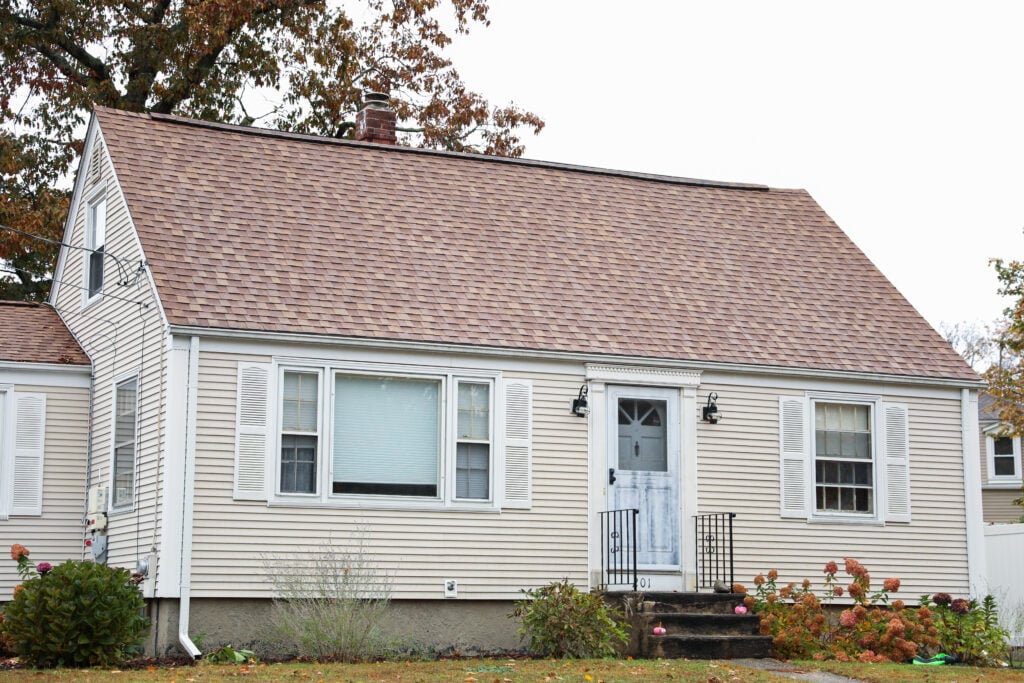
The ridge of your roof, where two slopes meet, is one of its most vulnerable points. This critical area requires robust protection to prevent water intrusion, strong wind damage, and pest entry. This is where ridge capping comes in – a specialized component that seals and safeguards the very peak of your roofing system. Choosing the right type of ridge capping and ensuring its proper installation are paramount to your roof\’s longevity and your home\’s protection. Masterpiece Roofing understands the vital role ridge capping plays in a complete, high-performance roof.
What is ridge capping and why it matters
Ridge capping refers to the material installed along the horizontal line where two roof planes intersect at the highest point of the roof. It is also used at hip lines, where two roof planes meet to form an external angle that slopes downwards from the ridge.
Why It Matters:
- Sealing Against Elements: The primary function of ridge capping is to create a watertight seal at the roof\’s peak. Without it, rain, snow, and ice would easily penetrate the roof deck, leading to leaks, rot, and costly interior damage.
- Wind Resistance: Ridge capping helps secure the topmost rows of roofing material against uplift from strong winds, a common cause of roof damage in many regions. Properly installed caps enhance the structural integrity of the entire roof.
- Pest Exclusion: It forms a barrier that prevents birds, rodents, insects, and other pests from entering your attic or roof structure through what would otherwise be an open seam.
- Aesthetics: Beyond its protective function, ridge capping provides a clean, finished appearance to the roofline, contributing significantly to your home\’s curb appeal.
- Ventilation Integration: Many modern ridge capping systems are designed to incorporate continuous ridge vents, which allow warm, moist air to escape the attic, improving attic ventilation and helping to prevent heat buildup and moisture-related issues (e.g., ice dams, mold).
Common types of ridge capping
The type of ridge capping used often correlates with the main roofing material. Here are some of the most common types seen across the country:
Mortar ridge capping
This traditional method is primarily associated with clay and concrete tile roofs. Mortar is used to bind individual ridge tiles (often half-round or inverted V-shaped) to the roof structure and to each other, creating a solid, continuous cap.
Flexible pointing ridge capping
A more modern alternative to traditional mortar for tile roofs, flexible pointing is a polymer-modified, colored cementitious compound applied over the top of the bedded ridge tiles. It\’s designed to flex slightly with roof movement, reducing the cracking that can occur with rigid mortar. This system is applied in conjunction with mechanical fasteners or bedding mortar beneath the tiles.
Metal ridge caps for asphalt shingles
For asphalt shingle roofs, the most common type of ridge capping involves specialized ridge cap shingles. These are thicker, pre-formed, or cut-from-standard-shingles pieces that are folded over the ridge line and fastened. They often have a different aesthetic or color variation from the field shingles to create a distinct roofline. Metal ridge caps are sometimes used on shingle roofs, particularly for aesthetic reasons or in high-wind zones, typically for steeper pitches or architectural designs. These are typically pre-formed metal pieces that cap the ridge.
Pros and cons of each type
Understanding the advantages and disadvantages helps in appreciating why specific types of ridge capping are chosen for different roofing systems.
Mortar Ridge Capping (for Tile Roofs)
- Pros:
- Traditional Aesthetics: Provides a classic, solid look for tile roofs.
- Durability (if maintained): When properly installed and maintained, it can be very robust.
- Cons:
- Rigid: Prone to cracking and crumbling due to thermal expansion/contraction of the roof structure or seismic activity.
- High Maintenance: Requires periodic inspection and repair (re-pointing) to address cracking and prevent leaks.
- Porous: Mortar can absorb moisture if not properly sealed, potentially leading to issues over time.
- Heavy: Adds significant weight to the roof structure.
Flexible Pointing Ridge Capping (for Tile Roofs)
- Pros:
- Flexibility: Designed to move with the roof, significantly reducing the likelihood of cracking compared to traditional mortar.
- Reduced Maintenance: Requires less frequent repair due to its flexible nature.
- Improved Adhesion: Often offers better adhesion to the tiles and substrate.
- Color Matching: Available in various colors to match or complement tile colors.
- Cons:
- Higher Initial Cost: Can be more expensive than traditional mortar.
- Specific Application: Requires precise application to ensure proper performance.
Metal Ridge Caps for Asphalt Shingles / Ridge Cap Shingles
- Pros:
- Integrated System: Designed to work seamlessly with asphalt shingles, ensuring a consistent look and performance.
- Cost-Effective: Ridge cap shingles are generally cost-effective and readily available.
- Wind Resistance: Many modern ridge cap shingles are specifically engineered for enhanced wind uplift resistance.
- Ventilation Options: Easily integrated with continuous ridge vents for superior attic ventilation.
- Durability (Metal): Metal ridge caps offer exceptional durability against weather, impact, and pests, and can complement certain architectural styles.
- Cons:
- Aesthetics (Shingles): While designed to blend, they can sometimes appear slightly different from field shingles.
- Installation (Metal): Metal ridge caps require specialized fabrication and installation, which can increase complexity and cost if not standard for the shingle type.
Signs you may need new ridge capping
Ignoring problems with your ridge capping can lead to severe and costly damage to your home. Regular inspections are key. Here are common signs that your ridge capping may need attention or replacement:
- Cracks in Mortar or Flexible Pointing: Any visible cracks, hairline or larger, indicate a breach in the seal.
- Missing or Displaced Caps/Tiles: Strong winds can dislodge or blow off ridge cap shingles or tiles, leaving sections of the ridge exposed.
- Discoloration or Stains: Dark stains, moss, algae, or efflorescence on or around the ridge capping can indicate moisture problems or deterioration.
- Loose or Crumbling Material: If the mortar or flexible pointing is crumbling to the touch, or if shingles feel loose, their integrity is compromised.
- Water Leaks: Any signs of water staining, dampness, or active dripping in the attic directly below the ridge line are immediate indicators of a breach in the capping.
- Fading or Granule Loss (for Shingles): For asphalt ridge cap shingles, excessive granule loss or significant fading indicates the material is nearing the end of its lifespan and its protective qualities are diminishing.
- Pest Activity: If you notice birds, insects, or rodents entering your attic, the ridge capping may be compromised, providing an entry point.
- Visible Sagging or Unevenness: A noticeable dip or unevenness along the ridge line can signal underlying structural issues that are affecting the capping.
DIY vs Professional installation
While some homeowners are adept at DIY projects, ridge capping installation and repair are tasks best left to experienced professionals like Masterpiece Roofing.
Why DIY is Risky for Ridge Capping:
- Safety: Working on a roof, especially at the ridge, involves significant fall risks. Roofing professionals have specialized safety equipment and training.
- Technical Skill: Proper installation requires a deep understanding of roofing principles, material compatibility, and manufacturer specifications. Incorrect fastening, improper sealing, or insufficient overlap can lead to leaks and premature failure.
- Correct Materials: Choosing the precise type of ridge capping that matches your existing roof system and local building codes is crucial. An amateur might select incompatible materials.
- Warranty Concerns: Many roofing material warranties are contingent on professional installation. A DIY job could void these valuable protections.
- Hidden Damage: An experienced roofer can identify underlying issues (e.g., deck rot, improper ventilation) that an untrained eye might miss during an inspection, preventing future problems.
- Longevity and Effectiveness: Professional installation ensures the capping performs as intended for its maximum lifespan, providing the full protective benefits.
Why Choose Masterpiece Roofing:
Masterpiece Roofing brings years of expertise, specialized equipment, and rigorous safety protocols to every ridge capping project. Our certified roofers understand the nuances of various roofing materials and the specific demands of ensuring a watertight, wind-resistant, and aesthetically pleasing finish. We guarantee quality workmanship, adhere to all building codes, and ensure your new ridge capping integrates perfectly with your existing roof, providing lasting protection for your home.
Don\’t let a vulnerable ridge compromise your entire roof. Contact Masterpiece Roofing today for a comprehensive inspection and expert ridge capping solutions!
Contact Masterpiece Roofing
Ready to get started on your roofing project? Masterpiece Roofing is here to help with all your roofing needs in Massachusetts. Contact us today for a free consultation and estimate.
Phone: (508) 533-0499
Email: info@masterpieceroof.com
Service Areas: Holliston, Ashland, Medway, Millis, and surrounding Massachusetts communities