
Attic Insulation Problems Guide
Professional attic insulation solutions from experienced roofing contractors near you in Massachusetts
Step-by-Step
1
Assess Current Insulation
Enter your attic with proper safety gear and measure the depth of existing insulation. In Massachusetts, recommended attic insulation levels are R-49 to R-60 (about 16-20 inches of fiberglass batts).
2
Check for Compression
Look for areas where insulation is compressed by stored items or foot traffic. Compressed insulation loses much of its R-value and creates cold spots.
3
Inspect for Moisture
Examine insulation for signs of moisture, mold, or water staining. Wet insulation is ineffective and can lead to structural damage and health hazards.
4
Identify Air Leaks
On a cold day, look for areas where insulation appears darker (indicating air filtration) or use a smoke pencil to detect air movement. Common leak areas include attic hatches, light fixtures, and wall joints.
5
Evaluate Ventilation
Ensure proper attic ventilation exists alongside insulation. Without adequate ventilation, moisture can become trapped, leading to mold growth and reduced insulation effectiveness.
⚠️ Safety Warning
When working with insulation, always wear appropriate protective gear including a respirator mask, gloves, eye protection, and full clothing coverage. Avoid compressing existing insulation during inspection, as this reduces its effectiveness. Be careful not to step between joists, which can result in ceiling damage or personal injury.
Assess Current Insulation
Enter your attic with proper safety gear and measure the depth of existing insulation. In Massachusetts, recommended attic insulation levels are R-49 to R-60 (about 16-20 inches of fiberglass batts).
Check for Compression
Look for areas where insulation is compressed by stored items or foot traffic. Compressed insulation loses much of its R-value and creates cold spots.
Inspect for Moisture
Examine insulation for signs of moisture, mold, or water staining. Wet insulation is ineffective and can lead to structural damage and health hazards.
Identify Air Leaks
On a cold day, look for areas where insulation appears darker (indicating air filtration) or use a smoke pencil to detect air movement. Common leak areas include attic hatches, light fixtures, and wall joints.
Evaluate Ventilation
Ensure proper attic ventilation exists alongside insulation. Without adequate ventilation, moisture can become trapped, leading to mold growth and reduced insulation effectiveness.
⚠️ Safety Warning
When working with insulation, always wear appropriate protective gear including a respirator mask, gloves, eye protection, and full clothing coverage. Avoid compressing existing insulation during inspection, as this reduces its effectiveness. Be careful not to step between joists, which can result in ceiling damage or personal injury.
Need Professional Help?
Contact our certified contractors for comprehensive inspection and repair services.
Get Free InspectionWhen to Call Professional Contractors
Explanation of situations that require professional intervention rather than DIY solutions.
- When the problem persists after basic troubleshooting
- If specialized tools or equipment are required
- When the issue affects structural components
- If the problem involves electrical or plumbing systems
- When proper repair requires permits or code compliance
- If the issue might be covered by insurance or warranty
Why Choose Local Massachusetts Contractors
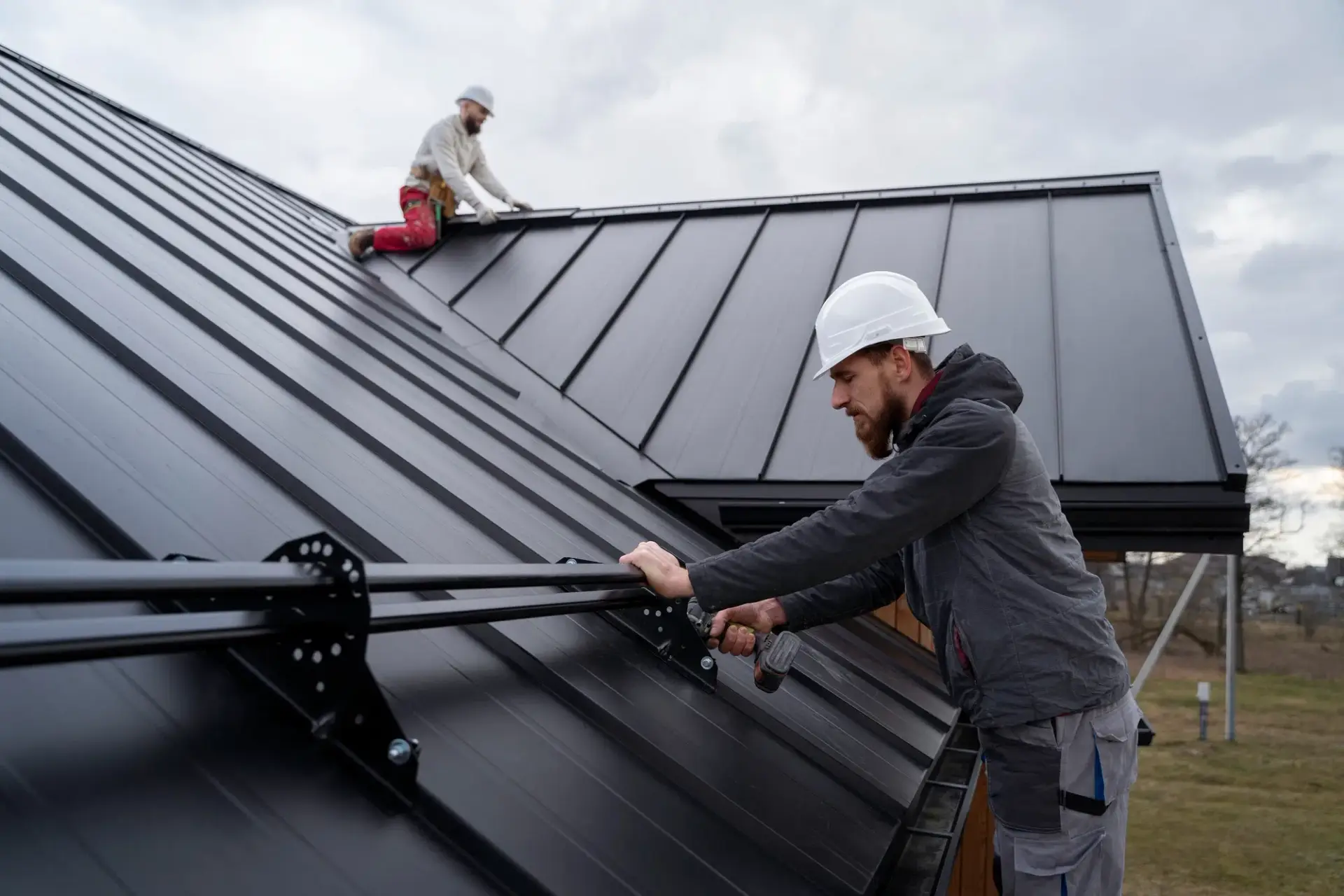
Working with local Massachusetts contractors who specialize in attic insulation issues offers several advantages. They understand the unique weather challenges in New England, are familiar with local building codes, and can respond quickly to emergencies. Our team has been serving Massachusetts homeowners for over 16 years, providing reliable solutions for all attic insulation problems.
Ready for Professional Help?
Contact our certified contractors for comprehensive inspection and repair services.
Get Free Inspection