
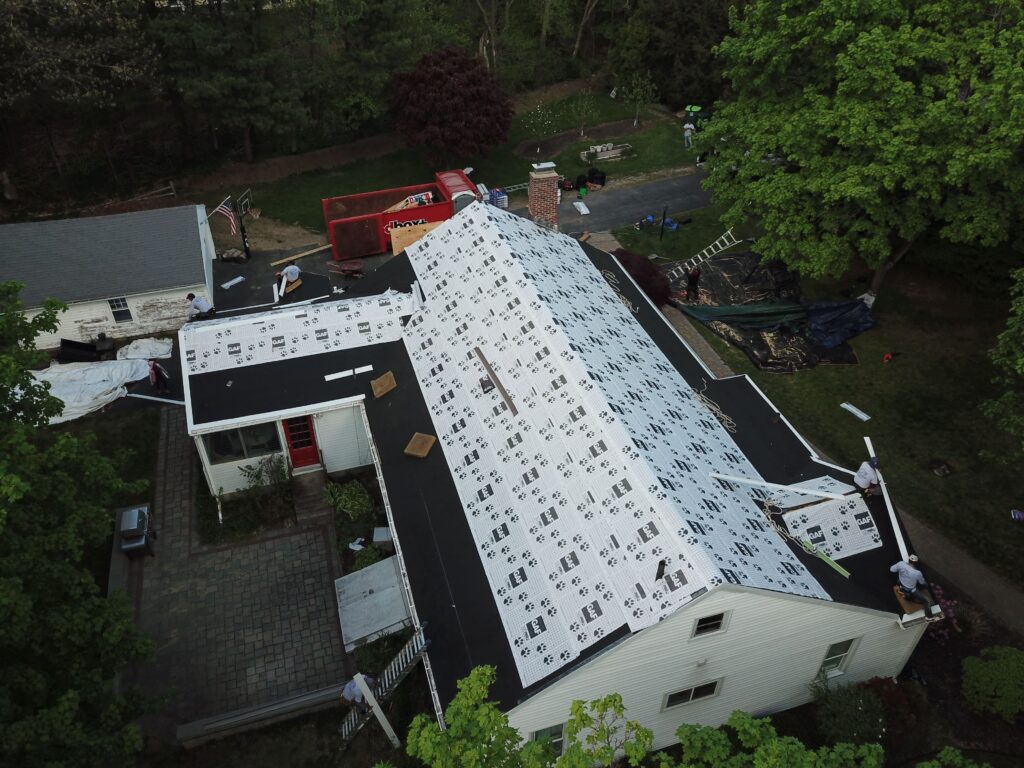
A roof replacement is one of the most significant home improvement projects a homeowner will face. Beyond the financial investment, the logistical impact on your daily life—noise, debris, and safety—makes the “how long” question a top priority. Understanding the timeline helps you plan your schedule and manage expectations for this intensive process.
Quick Answer: Most Roof Replacements Take 1–3 Days
For the average-sized U.S. home (approximately 2,000 to 3,000 square feet), a professional roofing crew can typically complete a full replacement in one to three days. While this may seem surprisingly fast for such a massive job, U.S. roofing contractors utilize high-efficiency equipment and specialized crews to minimize the time a home is exposed to the elements.
Why timing varies by project
While the “average” is a few days, every roof is unique. A project that takes one day for a simple ranch-style home could take a full week for a multi-level Victorian with complex architecture. The timeline is essentially a race between the size of the crew and the complexity of the structure.
Factors That Affect Roof Replacement Time
Several variables can either accelerate or stall your roofing project. Contractors typically account for these when providing your initial estimate.
Roof size and pitch
- Size: Roofing is measured in “squares” (a 10’x10′ area). Naturally, a 40-square roof takes significantly longer to strip and shingle than a 15-square roof.
- Pitch (Slope): The steepness of the roof is a major factor. On a “walkable” low-pitch roof, crews can move quickly. On a steep-slope roof, workers must use safety harnesses, ropes, and specialized scaffolding (roof jacks), which slows down the movement of materials and personnel.
Roofing material
The material you choose has the biggest impact on labor time:
- Asphalt Shingles: The most common material in the U.S.; these are the fastest to install because they come in flexible strips.
- Metal Roofing: Standing seam or metal shingles require precision cutting and specialized fasteners, often taking 3–5 days.
- Slate or Clay Tile: These are heavy and fragile. The structural reinforcement often required and the piece-by-piece installation can extend a project to 1–2 weeks.
Weather conditions
In the U.S., roofing is a weather-dependent industry. Rain, snow, or high winds will immediately halt a project. Even extreme heat can slow a project down, as shingles can become too soft to walk on without damage, and crews require more frequent breaks to prevent heat stroke. Contractors generally watch the 7-day forecast closely and will only “tear off” what they can dry-in (make waterproof) before the next weather event.
Roof Replacement Timeline (Step-by-Step)
A professional installation follows a disciplined sequence to ensure the home remains protected throughout the day.
1. Tear-off
The crew begins by removing all existing shingles down to the wooden deck. This is usually the loudest and messiest part of the job. For a medium-sized home, this is typically completed by noon on the first day.
2. Deck inspection and repairs
Once the deck is bare, the contractor inspects the plywood or OSB sheathing for “soft spots,” wood rot, or water damage. If the wood is damaged, it must be replaced before the new materials are laid. This phase is the biggest “wild card” in the timeline, as the extent of wood rot cannot be fully known until the old roof is gone.
3. Installation and cleanup
After the deck is prepped, the crew installs the underlayment (ice and water shield and synthetic felt), followed by the shingles, flashing, and vents. Cleanup happens concurrently; a dedicated crew member usually circles the house with a high-powered magnet to collect thousands of stray nails and debris.
How to Prepare for Roof Replacement
The roofing process is a “construction zone.” Proper preparation can prevent damage to your property.
Protecting landscaping
Heavy bundles of shingles are often delivered via a boom truck and placed on the roof, but old debris is thrown down into containers. Cover delicate shrubs with tarps or plywood, and ensure that your contractor uses “catch-all” netting systems to keep debris out of your flower beds.
Interior precautions
The vibration from hammering on the roof can travel through the rafters. It is a best practice to:
- Remove fragile items from top-shelf walls or mantels.
- Cover items in the attic with plastic sheets, as small amounts of dust and wood chips will inevitably fall through the roof deck during the tear-off.
- Park cars on the street to give the crew access to the driveway and protect vehicles from falling debris.
FAQs
Can a roof be replaced in one day?
Yes, for a standard-sized home with asphalt shingles and a large enough crew (6–10 people), a “one-day roof” is common in the U.S. residential market.
Will I need to leave my home?
You do not have to leave, but be prepared for extreme noise starting as early as 7:00 AM. If you work from home or have pets that are sensitive to loud banging, you may want to spend the day elsewhere.
What delays a roof replacement?
The most common delays are hidden structural damage found after tear-off, sudden changes in weather, or supply chain issues regarding specific custom materials (like specialty metal or imported tile).
Is your roof showing signs of age, or did a recent storm leave you worried about leaks? Don’t wait for a ceiling stain to take action. Our expert roofing teams provide fast, reliable, and high-quality replacements using the industry’s best materials. Most of our projects are completed in just 1–2 days, leaving you with a beautiful, durable roof and a spotless yard. Call us today for your free, comprehensive roof inspection and get the peace of mind your home deserves!