
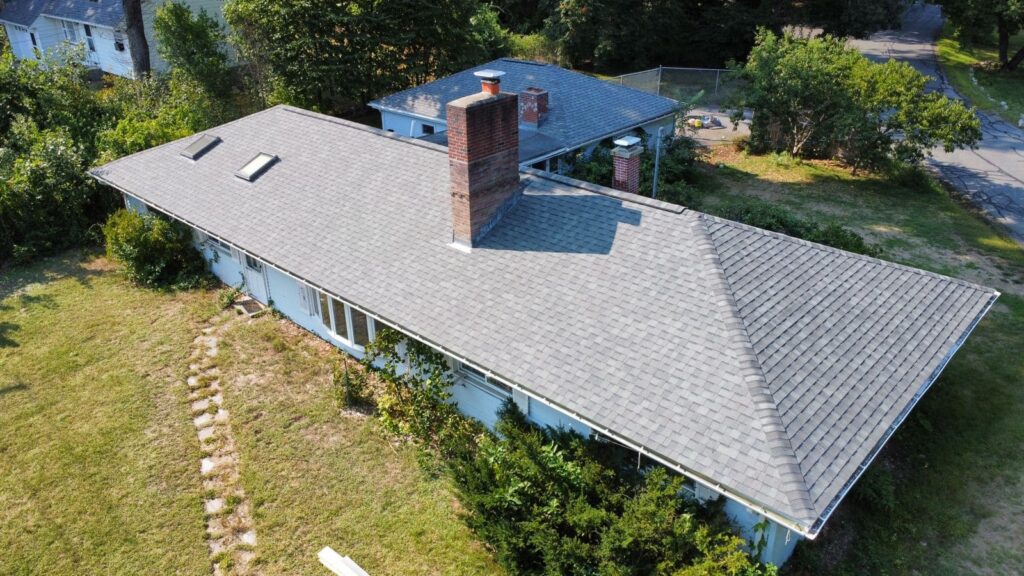
Roof flashing is the unsung hero of a home’s exterior. It is the thin material—usually galvanized steel or aluminum—that professionals install to direct water away from critical areas of the roof where it meets a vertical plane, such as a wall, chimney, or dormer. Understanding the mechanics of flashing is essential for maintaining a watertight structure.
Quick Answer: Flashing Must Be Layered Correctly With Roofing Materials
The most important rule of flashing is the “Shed Principle.” For a roof to remain leak-free, every layer of material must overlap the layer below it. If flashing is tucked under a lower shingle rather than over it, gravity will pull water into the house rather than away from it.
Why installation order matters
Installation order is the difference between a dry home and thousands of dollars in water damage. Flashing acts as a bridge. Because roofs and walls are separate structures that expand and contract at different rates, the flashing must be integrated into the “shingle-and-paper” layering system. This ensures that even if water gets past the primary roofing material, it hits a metal barrier that guides it back out to the surface.
Tools and Materials Needed
To perform a professional-grade installation, you must select materials that are compatible with your specific roofing environment.
Flashing materials (aluminum, copper, galvanized steel)
- Aluminum: Lightweight, easy to bend on-site, and highly resistant to corrosion. It is the most common choice for residential step flashing.
- Galvanized Steel: Preferred for its strength and durability. In the U.S., it is often used for valley flashing and “drip edges,” though it must be high-gauge to resist rust.
- Copper: The premium choice for historic or high-end homes. It is exceptionally durable and is typically soldered at the joints for a permanent seal.
Sealants and fasteners
- Roofing Cement/Urethane Sealant: Used for secondary protection. High-quality urethane sealants are preferred because they remain flexible during extreme temperature swings.
- Galvanized Roofing Nails: Fasteners must be made of the same material as the flashing (or a compatible one) to prevent galvanic corrosion, a chemical reaction that eats through the metal.
Step-by-Step Roof Flashing Installation
This process focuses on “Step Flashing,” the most common method used for walls and chimneys in U.S. residential roofing.
Preparing the roof surface
Before installing, the roof deck must be clean and covered with an underlayment (typically felt paper or synthetic wrap). If you are repairing old flashing, you must remove the shingles around the area and ensure the wood fascia or wall sheathing is free of rot.
Installing base flashing
The first piece of flashing installed is the “base” or “apron” flashing at the bottom of the vertical intersection. This piece sits on top of the first row of shingles and extends up the wall. This ensures that any water running down the wall is directed onto the shingles below.
Layering shingles or roofing material
The “step” method involves an alternating pattern:
- Place a shingle.
- Place a piece of L-shaped flashing (step flashing) over that shingle.
- Place the next shingle over the flashing, leaving only the bottom edge of the metal visible.
- Repeat this process up the roofline.
This “sandwiching” technique ensures that water moving sideways or downward always hits a layer of metal that directs it back onto the top of a shingle.
Sealing and final inspection
Once the steps are in place, a “counter-flashing” is often installed. This is a second layer of metal that is embedded into the wall (like a chimney’s mortar joint) and hangs down over the step flashing. Finally, a bead of roofing sealant is applied to nail heads and joints to provide a final line of defense.
Common Installation Mistakes
Incorrect overlap
The most frequent error is “reverse-lapping.” If a piece of flashing is tucked behind a shingle on the downhill side, water will flow directly behind the flashing and into the roof deck. Always work from the bottom of the roof upward.
Overuse of sealant instead of proper flashing
Sealant is a secondary protection, not a primary one. Many low-quality installations rely on “roofing tar” to bridge gaps. Over time, the sun’s UV rays dry out the tar, causing it to crack. A properly flashed roof should be mostly watertight due to its geometry and layering even before sealant is applied.
FAQs
Can homeowners install roof flashing themselves?
While a handy homeowner can install simple drip edges, complex areas like chimneys, valleys, and skylights are best left to professionals. Mistakes in these high-volume water areas can lead to structural rot and mold that is expensive to remediate.
How long does flashing installation take?
For a standard wall intersection, installation might take 2 to 4 hours. However, a full chimney flashing job involving masonry cutting for counter-flashing can take a full day to ensure a perfect seal.
Should flashing be replaced during a new roof install?
Yes. It is a best practice in the U.S. roofing industry to replace all flashing when installing a new roof. Old flashing often has “pinholes” or stress fractures from years of thermal expansion that may not be visible until it is too late.
Protect your home from the top down with professional roof flashing services. Our expert installers understand the nuances of water management and use only the highest-grade materials to ensure your home stays dry through every season. Whether you’re dealing with a persistent leak or planning a full roof replacement, we are here to provide a permanent solution. Contact us today for a comprehensive roof inspection and a free estimate!