
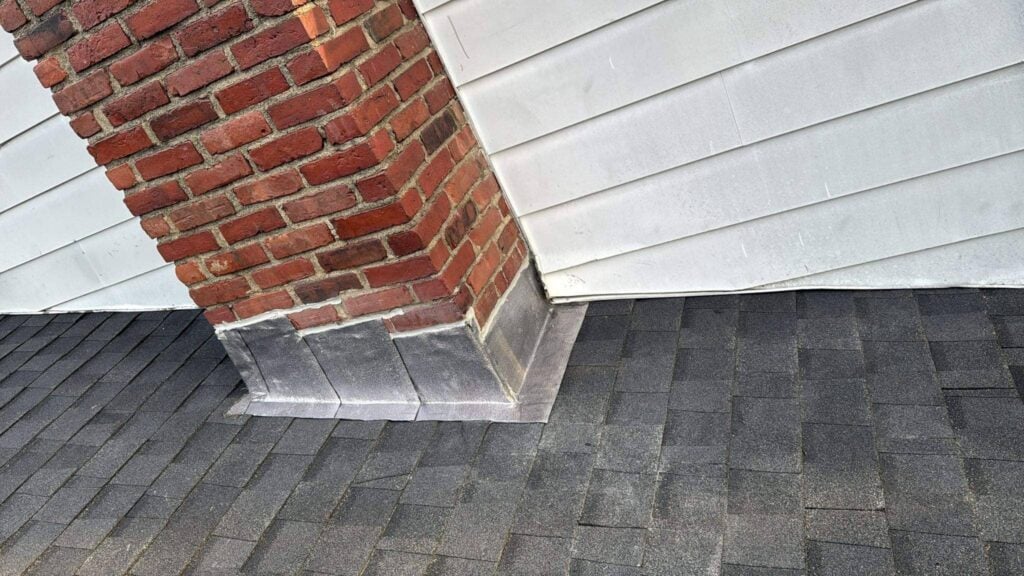
While shingles or tiles provide the primary “skin” of a home, the true defense against water intrusion lies in the metal transitions known as roof flashing. Flashing is the unsung hero of a weather-tight roofing system, acting as a waterproof bridge between the roofing material and the various interruptions on a roof’s surface.
Quick Answer: Roof Flashing Seals Roof Joints to Prevent Water Intrusion
Roof flashing is a thin material—usually galvanized steel, aluminum, or copper—installed by professional roofers to direct water away from critical areas of the roof. It is placed around any part of the roof where the surface is interrupted or meets a vertical plane, such as walls, chimneys, and vents.
Why flashing is critical in leak-prone areas
Gravity naturally pulls water down a roof’s slope, but surface tension can cause water to “wick” into gaps where roofing materials meet different structures. Without flashing, these joints would be open seams, allowing rain and snowmelt to seep directly into the roof deck, insulation, and eventually the home’s interior. In the U.S., where many regions experience heavy driving rain and significant snow loads, flashing is the primary barrier that prevents the catastrophic rot of the underlying wooden structure.
Common Types of Roof Flashing
Standard U.S. residential construction utilizes several specialized types of flashing, each designed for a specific structural challenge.
Step flashing
Used primarily where a roof slope meets a vertical side wall (like a dormer or a second story). Step flashing consists of individual “L” shaped metal pieces overlapping one another in “steps” as the roofer installs each course of shingles. This ensures that water is diverted back onto the shingles and down the roof rather than behind the siding.
Counter flashing
Also known as cap flashing, this is frequently seen on brick chimneys. It is installed into a groove or “reglet” cut into the masonry and hangs down over the base flashing. This dual-layered system allows for the natural expansion and contraction of the different materials (metal, wood, and brick) without breaking the waterproof seal.
Valley flashing
A “valley” is the V-shaped channel formed where two roof slopes meet. Because valleys collect and carry a high volume of water, they require a heavy-duty “W” or “V” shaped metal flashing. In many high-quality American roof installations, this metal is left exposed (open valley) to allow water and debris to clear the roof as quickly as possible.
Drip edge flashing
Installed along the eaves and rakes of the roof, the drip edge is an “L” shaped strip that ensures water clears the roof’s edge and lands in the gutters. It prevents water from “curling” back under the shingles and rotting the fascia boards or the edge of the plywood roof deck.
Where Roof Flashing Is Installed
Chimneys and skylights
These are the most common “penetrations” on a roof. Because they break the continuous plane of the shingles, they require a complex system of base flashing, step flashing, and counter flashing. Skylights, in particular, often come with proprietary flashing kits designed to handle the specific drainage needs of a glass-to-roof transition.
Roof-to-wall transitions
Anywhere a sloped roof meets a vertical wall is a high-risk area. Whether it’s where a porch roof meets the house or where a garage attaches to the main structure, flashing is essential to prevent water from entering the wall cavity.
Valleys and eaves
As mentioned, these areas handle the highest concentrations of water. Proper installation at the eaves is also critical for preventing “ice dams”—a common issue in northern U.S. states where snow melts and refreezes at the cold roof edge, potentially forcing water upward under the shingles.
Signs of Flashing Problems
Interior leaks near walls or ceilings
If you notice water stains on your ceiling near a chimney or along the line where an addition meets the house, the flashing is likely the culprit. Unlike a shingle leak, which can be hard to track, flashing leaks are usually found directly beneath the damaged transition.
Rusted, loose, or missing flashing
A visual inspection from the ground or a ladder often reveals the problem. Look for:
- Corrosion: Galvanized steel eventually loses its coating and rusts, creating holes.
- Gaps: High winds or house settling can pull flashing away from walls.
- Dried Caulk: Many contractors use roofing cement or caulk to “seal” flashing. Over time, the intense U.S. sun causes this to crack and peel, leaving the seam vulnerable.
FAQs
Is roof flashing required by code?
Yes. The International Residential Code (IRC), which serves as the basis for most local building codes in the United States, strictly requires flashing at roof-to-wall intersections, around chimneys, and at all roof penetrations to ensure the safety and longevity of the structure.
How long does roof flashing last?
While a standard asphalt shingle roof may last 20–30 years, metal flashing (especially copper or high-gauge steel) can last significantly longer. However, the sealants used around the flashing often fail every 5–10 years. It is standard practice to replace flashing whenever a roof is replaced.
Can flashing be repaired or must it be replaced?
Minor issues, such as a small hole or a loose piece, can sometimes be repaired with specialized roofing sealants or by “slipping” a new piece of metal under the old. However, if the metal is rusted through or the original installation was improper, a full replacement is the only way to guarantee a leak-free home.
Don’t let a small metal strip lead to a massive repair bill. If you suspect your flashing has been compromised by age or storm damage, our expert roofing team is ready to help. Contact us today for a professional roof inspection and ensure your home stays dry from the top down!