
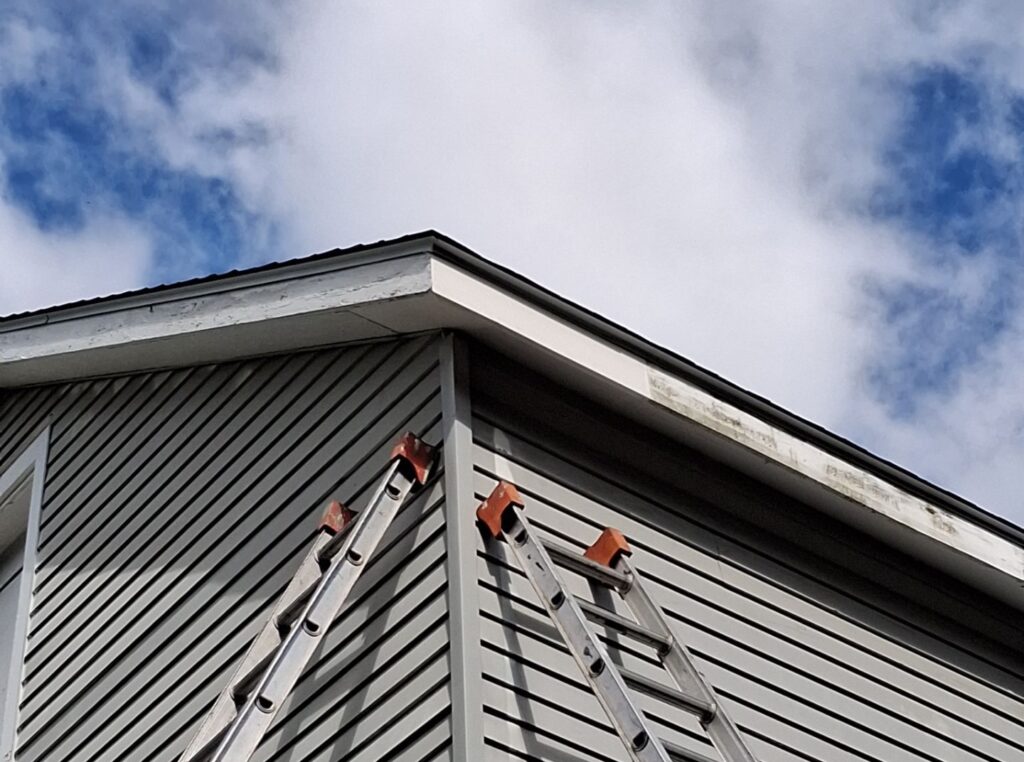
The eaves of your home are more than just architectural flourishes that give your roof its finished look. In American residential construction, eaves—consisting of the fascia (the forward-facing board) and the soffit (the underside)—serve as the frontline of defense for your home’s structural integrity. They are designed to project water away from the walls and facilitate essential attic ventilation. When they fail, the consequences can ripple throughout the entire roofing system.
Quick Answer: Most Eave Damage Is Caused by Water
While wind and debris play their parts, the primary antagonist of healthy eaves is moisture. Because eaves are located at the lowest point of the roof’s slope, they are the natural collection point for runoff. If gutters are misaligned, shingles are short, or the drip edge is missing, water clings to the eave components rather than shedding away, leading to rapid deterioration.
Why early detection matters
In the U.S., many homes utilize wood or wood-composite fascia boards. These materials are highly susceptible to “wicking,” where water travels upward into the grain. Detecting a small soft spot or a hairline crack in the paint today can prevent a full-scale replacement of the roof deck and rafter tails tomorrow. Once moisture bypasses the eaves, it enters the “dark zone” of your attic where it can go unnoticed for years.
Common Types of Eave Damage
Understanding the specific symptoms of eave failure is the first step toward effective remediation.
Rotting Wood
This is the most frequent issue found in older U.S. homes. Look for “dry rot” (which is actually caused by fungi in damp wood) or “wet rot.” If the wood feels spongy to the touch or looks darker than the surrounding areas, the cellulose has likely broken down. Rot often starts at the joints where two fascia boards meet.
Cracked or Peeling Paint
Paint on an eave isn’t just for curb appeal; it is a protective sealant. In regions with high humidity or intense sun exposure, the paint can flake off, exposing the raw substrate to the elements. Peeling paint on the soffit is often a sign of condensation coming from inside the attic, suggesting a ventilation problem rather than a leak.
Sagging or Separated Eaves
If you notice a gap between your gutters and the fascia, or if the soffit panels are drooping, you have structural separation. This is often caused by the weight of water-logged debris in gutters or the expansion and contraction of the home’s framing over time. Sagging eaves create “entry ports” for moisture and wind-driven rain.
Pest-Related Damage
Eaves are the preferred entry point for North American pests including squirrels, raccoons, and birds. Wasps and “carpenter bees” also frequently target the sheltered underside of the soffit. If you see small holes or hear scratching sounds, your eaves have likely been compromised, providing a bridge for animals to enter your attic.
What Causes Eave Damage
Clogged Gutters
When gutters are filled with leaves and granules from asphalt shingles, water backs up. Instead of flowing to the downspouts, the water overflows the back of the gutter, soaking the fascia board and the edge of the roof deck.
Ice Dams
In colder U.S. climates, ice dams are a leading cause of eave destruction. When heat escapes the attic and melts snow on the roof, the water runs down to the cold eave and refreezes. This creates a dam that forces liquid water under the shingles and directly into the eave’s wooden skeleton.
Poor Roof Ventilation
Properly installed eaves feature vented soffits that allow cool air to enter the attic. If these vents are painted over or blocked by insulation, hot, moist air becomes trapped in the attic. This leads to “attic sweating,” where moisture condenses on the underside of the roof and rots the eaves from the inside out.
Risks of Ignoring Damaged Eaves
Roof Deck Deterioration
The eaves support the edge of your roof’s “sheathing” (the plywood or OSB sheets). If the eaves rot, the edge of the roof deck loses its support, leading to sagging rooflines and potentially requiring the replacement of several feet of roofing material.
Mold and Insulation Issues
Water entering through damaged eaves will eventually saturate your attic insulation. Wet fiberglass or cellulose insulation loses its R-value (insulating power) and becomes a breeding ground for black mold, which can spread into the living spaces of your home via the HVAC system.
FAQs
Can damaged eaves cause roof leaks?
Absolutely. While the eaves are at the edge, the damage often migrates upward. Water trapped at the eave line can be pulled up the roof via capillary action, damaging the starter shingles and the underlayment, eventually leading to leaks inside your exterior walls.
How long do eaves last?
Standard wood eaves typically last 15 to 25 years depending on maintenance. Modern alternatives like fiber cement (HardieSoffit) or aluminum can last 30 to 50 years with minimal upkeep.
Are eave repairs expensive?
Small repairs, such as replacing a 10-foot section of fascia, are relatively affordable. However, if the damage has spread to the rafter tails (the ends of the roof beams), the repair becomes significantly more complex and costly, often requiring a professional roofing crew.
Protect Your Home from the Top Down
Your eaves are the guardians of your home’s structural health. Don’t wait for a ceiling stain to take action against moisture and rot. At Masterpiece Home Services, we specialize in comprehensive eave restoration, from high-performance fascia replacement to advanced soffit ventilation systems.
Give your roof the protection it deserves. Contact us today for a professional inspection and ensure your home is ready for any season!