
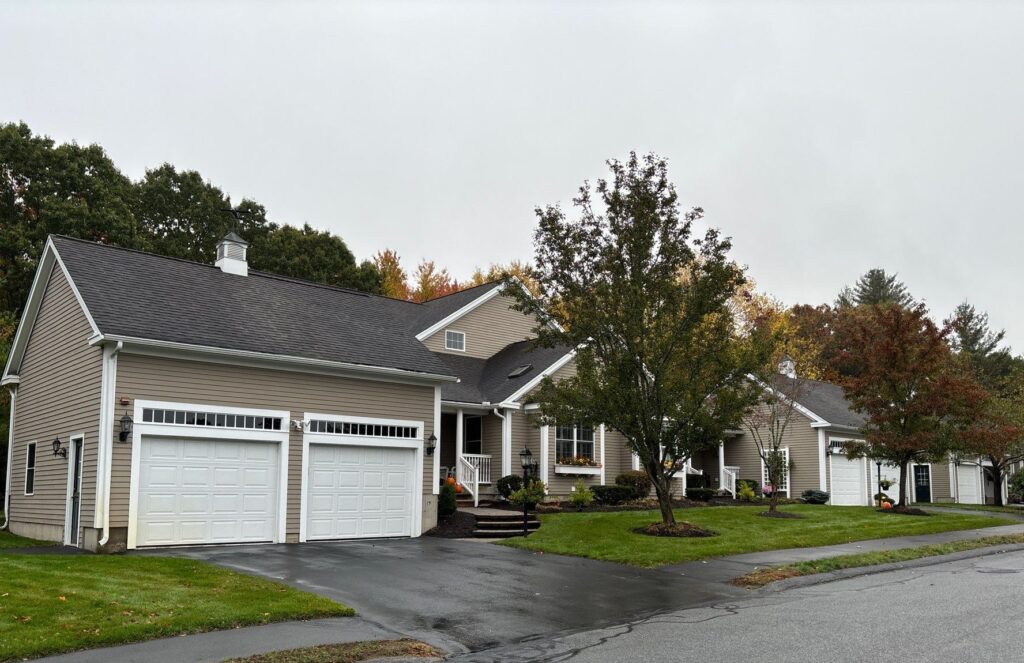
Replacing the roof on your garage is a crucial maintenance task that protects your stored belongings and prevents damage to the structure itself. While often a smaller project than replacing a house roof, the final cost can vary significantly based on the garage’s type, roof style, and chosen materials.
Average Garage Roof Replacement Costs
The total cost is highly dependent on labor rates in your area, the complexity of the job, and the material quality. Costs are often calculated per square foot or per square (100 square feet) of roof area.
Detached vs Attached Garages
| Garage Type | Cost Impact | Why? |
| Detached | Generally Lower | Easier access for equipment and crew; less risk of damaging main house structure or landscaping. |
| Attached | Generally Higher | Higher complexity due to merging with the main house roofline; requires careful flashing and integration, potentially involving taller ladders or higher roof sections. |
Flat vs Pitched Garage Roofs
| Roof Style | Cost Impact | Why? |
| Pitched (Shingle, Metal) | Moderate to High | Requires more time for shingle installation, detailed cutting, and ridge work; material costs for shingles and metal are moderate to high. |
| Flat (Rubber, Membrane) | Low to Moderate | Material (EPDM/TPO) installation is often faster once the deck is prepared; typically less expensive than high-end shingles or metal, but decking prep can be complex. |
What Impacts the Cost
Several factors contribute to the final price tag for a garage roof replacement, going beyond just the material selected.
Roof Size and Pitch
- Size: The larger the roof area, the higher the material and labor costs. A single-car garage (around 12×20 ft) is naturally cheaper than a three-car garage (around 24×30 ft).
- Pitch (Steepness): A steep-pitched roof (above a 7/12 slope) is significantly more difficult and hazardous to work on. This “steep charge” increases labor costs due to the need for extra safety equipment and slower installation times.
Roofing Material (Shingles, Rubber, Metal)
The material choice is often the single largest variable cost. High-end architectural asphalt shingles, standing seam metal, or specialized materials like clay tiles will dramatically increase the project price compared to basic 3-tab asphalt shingles or a standard EPDM rubber membrane.
Removal of Old Roofing
- Layers: If the garage roof has multiple existing layers of old roofing (often seen with asphalt shingles), the cost to tear off, dispose of, and haul away the debris increases. Building codes often limit the number of layers allowed (usually two).
- Disposal Fees: Dump fees for construction debris are included in the overall cost, and these can be substantial, especially for heavy or multilayered tear-offs.
Structural Repairs
Unforeseen structural damage is one of the biggest budget risks. If the old roof had leaks that compromised the underlying decking (plywood or OSB) or the supporting rafters, these must be replaced before the new roof is installed.
- Decking Replacement: Replacing rotted sections of plywood/OSB decking is typically charged per sheet, adding both material and labor costs.
- Rafter/Truss Repair: If major structural elements are damaged, a carpenter may need to be brought in, which significantly increases the complexity and cost.
Garage Roof Replacement vs Repair
Determining whether to repair or fully replace the roof is a crucial financial decision.
When Repair is Enough
- Minor, Isolated Damage: If damage is limited to a small area, such as a few missing shingles, damage from a specific tree branch, or a small tear in a flat membrane.
- Young Roof: If the roof is less than two-thirds through its expected lifespan (e.g., an asphalt shingle roof less than 12-15 years old).
- Emergency Fixes: Quick repairs to stop an active leak while waiting for a full replacement decision.
When Full Replacement is Recommended
- Old Age: When the roof has exceeded 75% of its estimated lifespan (e.g., 20+ years for asphalt shingles). Even if no active leaks exist, the material is likely brittle and near failure.
- Widespread Damage: If significant areas show signs of blistering, curling, granule loss, or widespread storm damage. Patching multiple areas is often uneconomical.
- Visible Deterioration: If you can see sunlight through the roof deck, or if there is extensive cracking, moss, or heavy pooling of water (on a flat roof).
- Selling Your Home: A new roof provides a competitive advantage and a transferrable warranty for the new homeowner.
Material Options for Garage Roofs
The lifespan and durability of your garage roof depend almost entirely on the material you choose.
Asphalt Shingles
- Pros: Most affordable and commonly used option; wide range of colors and styles; relatively easy to install.
- Cons: Shorter lifespan (15–30 years); prone to wind uplift and granular erosion; basic option for garages with less architectural appeal.
EPDM or TPO for Flat Garages
- EPDM (Ethylene Propylene Diene Monomer): A durable synthetic rubber roofing membrane.
- Pros: Excellent waterproofing, UV resistance, and longevity (up to 30 years).
- Cons: Typically dark (black), which absorbs heat; seams are critical points of failure if not installed correctly.
- TPO (Thermoplastic Polyolefin): A single-ply roofing membrane known for its reflective properties.
- Pros: Highly durable and energy-efficient (often comes in white or light colors to reflect heat); easier to repair than EPDM.
- Cons: Newer technology, so long-term durability is still being tested compared to EPDM.
Metal Roofing
- Pros: Extreme longevity (50+ years); excellent durability against fire, high winds, and snow; high curb appeal.
- Cons: Highest initial cost; installation requires specialized labor; can be noisy during heavy rain.
FAQs
Is garage roof replacement cheaper than house roofing?
Generally, yes. Garage roofs are typically much smaller in square footage, have simpler rooflines (fewer valleys, hips, or chimneys), and often do not require the same high-end materials or structural complexity as a main house roof. Therefore, the overall project cost is usually significantly less.
Does replacing a garage roof add value?
Yes, but indirectly. A new garage roof primarily adds value by eliminating a liability. Potential buyers may be deterred by an old, leaking roof, or they may use the repair cost as a bargaining tool. A new roof ensures structural integrity, protects assets, and enhances the overall curb appeal, making the property more attractive and preventing devaluation.
Can you replace a garage roof yourself?
It depends on the roof type and your skill level.
- Pitched Roofs (Shingles): This is feasible for skilled DIYers, but the work is physically demanding and hazardous due to heights. You must follow strict local codes for flashing, venting, and fastener placement.
- Flat Roofs (Membrane): This is generally not recommended for inexperienced homeowners. Seaming and sealing EPDM or TPO membranes requires specialized tools and expertise to ensure a waterproof seal that will not fail within a few years.
- Permitting: Regardless of skill, you must always pull a permit and pass the mandatory municipal inspections.