
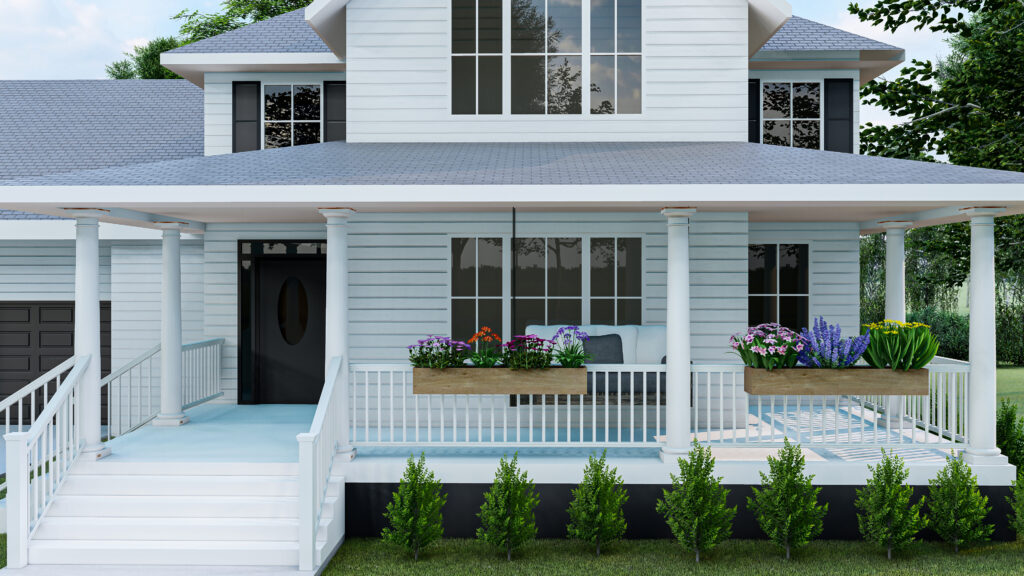
Deck repair is a crucial aspect of home maintenance, ensuring the longevity, safety, and aesthetic appeal of your outdoor living space. Whether tackling minor fixes or major structural issues, a systematic approach is essential. This guide covers the key steps to restoring your deck to top condition.
Safety First: Inspect the Deck
Before any tools come out, a thorough and detailed inspection is mandatory. Decks are subject to continuous wear from weather, UV exposure, and moisture, making structural integrity the most important concern.
Look for Rot, Soft Spots, Loose Railings
Walk every inch of the deck, paying close attention to areas that retain moisture or are constantly exposed to the sun.
- Ponding Areas: Check any low spots where water collects. Use a screwdriver or awl to probe the wood, especially near fasteners and end grains. Healthy wood resists penetration; rotten or soft wood will crumble easily.
- Balusters and Railings: The railing system is a critical safety feature. Grip each baluster and post and shake them firmly. Any excessive movement indicates loose or corroded fasteners that must be addressed immediately.
- Stairs: Stairs are high-traffic zones and often fail first. Check the treads, risers, and especially the stringers (the angled support members) for signs of splitting or rot where they meet the ground or the ledger board.
Check Flashing and Ledger Connections
The ledger board is the structural component that attaches the deck directly to the house. Failure here can be catastrophic.
- Ledger Connection: Inspect the hardware securing the ledger board to the house rim joist. Look for rusted or missing lag screws or through-bolts. The connection should be firm with no gaps.
- Flashing: Flashing is a waterproof barrier (usually metal or vinyl) installed above the ledger board to direct water away from the connection point. Check for curled, cracked, or corroded flashing. If water penetrates the ledger/house connection, rot can rapidly compromise both the deck and the house structure. Flashing failure is a leading cause of major deck failure.
Replacing Damaged Deck Boards
Replacing deck boards (or decking) is one of the most common repairs and is vital for surface safety and aesthetics.
How to Remove Old Boards
- Safety Gear: Put on safety glasses and work gloves.
- Locate Fasteners: Identify the existing fasteners. If they are nails, use a cat’s paw or pry bar to lift the heads and pull them out completely. If screws, use a powerful drill/driver to remove them.
- Cut the Board: If the board is bowed, split, or severely damaged, it may be easier to cut it into shorter, more manageable sections before prying. Use a circular saw set just deep enough to cut through the deck board, being extremely cautious not to cut into the supporting joists beneath. Cut near the middle of the joist span for the easiest removal.
- Pry Up: Carefully insert a pry bar between the deck board and the joist, applying steady, upward pressure. Remove the board and discard it.
Cutting and Fastening New Boards Correctly
- Select Material: Choose new decking material that matches the existing material (e.g., pressure-treated lumber, cedar, composite). If using wood, allow it to acclimate to the local environment for a few days before cutting.
- Measure and Cut: Measure the gap where the new board will sit. Cut the new board to length. If cutting pressure-treated lumber, ensure you apply a wood preservative specifically formulated for cut ends to prevent rot at the vulnerable cross-section.
- Fastening:
- Spacing: Use a spacer (such as a large nail or a speed square) to maintain consistent gaps (usually 1/8 inch to 3/16 inch) between the new board and its neighbors to allow for drainage and wood movement.
- Secure: Use high-quality, corrosion-resistant deck screws (coated or stainless steel) that are rated for exterior use and compatible with your decking material (especially critical for composite or ACQ pressure-treated lumber). Drive screws straight down, two per joist, about 1 inch from the edge of the board.
Fixing Railing & Structural Issues
A wobbly railing or a shaky deck is a hazard that demands immediate attention.
Tightening or Replacing Balusters and Posts
- Balusters: If a baluster is loose but intact, first attempt to tighten the existing screws. If the fastener holes are stripped, remove the baluster, plug the old holes with wood dowels and epoxy, allow it to cure, and then re-fasten the baluster using longer or heavier gauge screws. If the baluster is rotten, replace it entirely, ensuring the replacement meets local code spacing requirements (typically a maximum of 4 inches between balusters).
- Posts (Structural): Railing posts must be structurally sound.
- Post Wobble: If a post is bolted to the side of the rim joist and wobbles, the carriage bolts or lag screws may be loose or insufficient. Replace the existing hardware with larger, hot-dipped galvanized or stainless steel carriage bolts, ensuring they pass completely through the post and the rim joist, secured with washers and nuts.
- Post Rot: Posts are prone to rot at the base where they meet the decking or where they sit on concrete footings. If rot is present near the bottom, you may need to cut the rotten section and attach a splice, or ideally, replace the entire post, ensuring the new post has proper stand-off hardware to prevent direct contact with the ground or constant moisture.
Addressing Wobbling Stair Connections
The stringers that support the steps must be firmly secured.
- Check the Top Connection: The top of the stringers is often secured to the deck’s rim joist with metal connectors (often L-brackets or hurricane ties). Ensure these connectors are in place and the screws/nails are tight.
- Check the Base: If the stairs rest directly on soil or concrete, they are susceptible to movement. The base should rest on a concrete pad or gravel bed. Use galvanized metal anchors or post bases secured to the concrete to lock the stringers in place.
- Stringer Integrity: If a stringer itself is cracked or rotten, it must be replaced. This is a complex repair as it involves cutting a new stringer to match the precise rise and run of the old one. If only a small section is damaged, you may be able to sister a new piece of lumber to the existing stringer for reinforcement.
Advanced Repairs & When to Call a Pro
Certain repairs involve critical structural components, which, if mishandled, can create dangerous conditions.
Ledger Board Rot or Water Damage
If your inspection reveals rot in the ledger board or the house’s rim joist behind it, call a licensed professional immediately. This repair requires temporarily supporting the deck while the ledger and potentially the house siding and framing are disassembled and replaced. This work must be done according to local building codes, including using proper flashing techniques and structural lag screws or through-bolts.
Joist Replacement vs Sistering
Deck joists are the horizontal members that support the deck boards.
- Sistering: This is the most common repair for minor joist damage (e.g., slight bowing, shallow rot). It involves cutting a new joist (of the same depth and width) and securing it directly alongside the damaged one using construction adhesive and structural screws or nails. The new joist carries the load, reinforcing the weak spot.
- Replacement: Full replacement is needed when a joist has severe, deep rot, especially at its bearing points (where it sits on a beam or the ledger). This is a complex task requiring careful measurement and potentially specialized hangers. If multiple joists require replacement, the support beams may also be compromised, and professional intervention is highly recommended.
FAQs
What materials resist rot best?
The most rot-resistant materials used in deck construction are:
- Composite/PVC: These materials (e.g., Trex, Azek) contain no wood fibers, making them impervious to rot, termites, and fungal decay. They require minimal maintenance.
- Pressure-Treated Lumber (Ground Contact): Modern pressure-treated lumber is chemically treated to resist decay. Always use Ground Contact rated lumber for any wood that is within six inches of the ground or that holds critical structural loads.
- Naturally Durable Woods: Redwood and cedar are naturally resistant to decay, but only the heartwood portion offers high resistance. Tropical hardwoods like Ipe or Tigerwood are extremely dense, durable, and highly resistant to decay and insects.
How long does a deck repair take?
The duration depends entirely on the scope:
- Small Surface Repairs (1-3 boards, tightening railings): 1–4 hours.
- Medium Repairs (5–10 boards, replacing a single post, small area of sistering): 1–2 days.
- Major Structural Repairs (Ledger replacement, beam replacement, full stair rebuild): 3–7 days, often requiring permits and inspections, which adds time.
Can you repair deck supports yourself?
Minor repairs to supports, such as sistering a damaged joist or securing loose post hardware, are manageable for a confident DIYer. However, if the main support beams (which carry the joists) or the ledger board are compromised, this is a job for a professional deck builder or structural engineer. These elements bear the entire weight of the deck and its occupants, and mistakes can lead to collapse.
Do you suspect hidden damage or need assistance with ledger board repairs?
Contact Certified Deck Repair Specialists Today for a comprehensive structural inspection and a free, detailed repair estimate.