
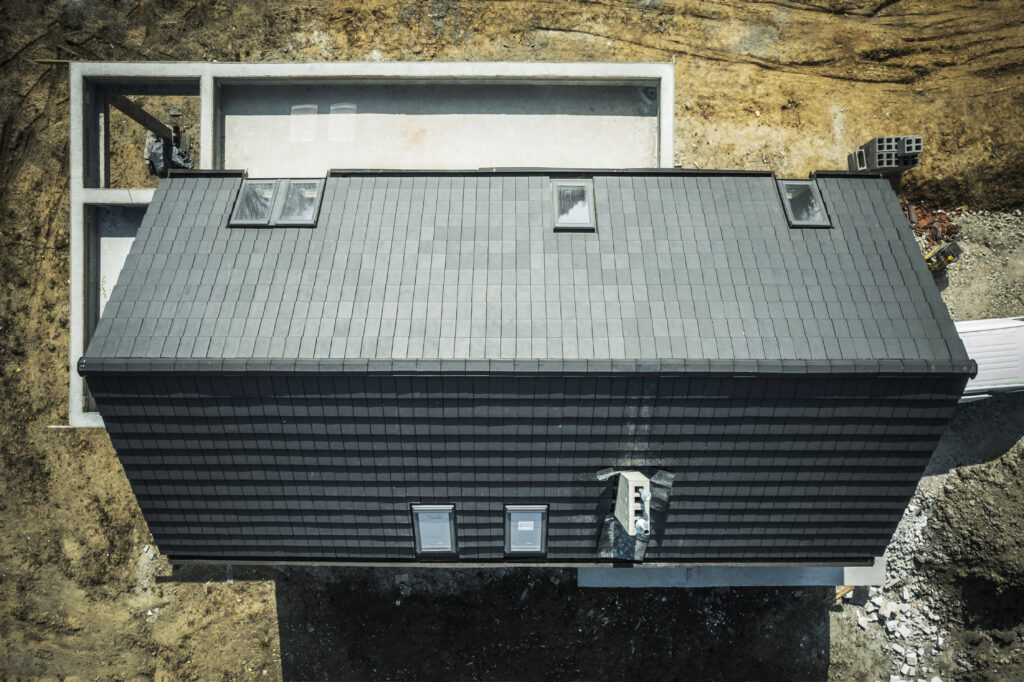
Trailer homes (or manufactured homes) have unique structural requirements that differentiate their roofing systems from traditional site-built houses. Due to their lighter truss systems, lower roof pitch, and specific local code requirements for wind resistance, roofing a manufactured home demands materials and installation techniques tailored to its construction. A successful roof replacement on a trailer home focuses on minimizing weight while maximizing water shedding and wind uplift resistance.
Masterpiece Roofing has extensive experience working with manufactured home roofing systems, ensuring that material selection and installation comply with structural limitations and durability demands.
Unique Challenges of Trailer Home Roofing
Addressing these specific challenges is critical to ensuring the longevity and structural integrity of a manufactured home’s roof.
Lighter Structure, Different Anchoring & Support
Manufactured homes are built with lighter framing materials than conventional homes. This means:
- Weight Constraint: The overall weight of the new roofing material must be carefully considered. Heavy materials like traditional tile or certain slate options are typically unsuitable without costly structural reinforcement.
- Anchoring: Fasteners and attachment methods must be designed to anchor securely into the lighter truss system, preventing blow-offs during high winds.
Wind, Moisture, Mobile-Home Codes
- Wind Uplift: Manufactured homes are often subject to strict wind zone requirements. The roofing system must be anchored aggressively to resist uplift forces.
- Low Pitch & Moisture: Most trailer homes have a low-slope roof, which increases the risk of water ponding or slow drainage. This mandates the use of a continuous, high-quality waterproof underlayment (like ice and water shield) over the entire deck.
- Code Compliance: Roofing materials and installations must meet specific state and local regulations pertaining to manufactured housing, which often differ from conventional building codes.
Best Roofing Material Options
The best choices balance durability, low weight, high reflectivity, and superior waterproofing capabilities.
Metal Panels, Standing Seam, Lightweight Shingles
- Standing Seam Metal: This is the ideal choice. It is lightweight, extremely durable against wind and hail, and provides excellent water shedding even on low slopes. The mechanical seams offer superior resistance to wind uplift.
- Lightweight Asphalt Shingles: High-quality, lightweight architectural shingles are also viable, provided the roof has adequate pitch for drainage and is installed over a premium underlayment.
- TPO/Membrane: For extremely low-pitch or flat sections, a continuous thermoplastic polyolefin (TPO) or other membrane system may be the best waterproofing solution.
Importance of Underlayment, Ventilation
The integrity of the roof system on a trailer home relies heavily on what is beneath the final surface layer:
- Premium Underlayment: Due to low pitch, a fully adhered synthetic underlayment or ice and water shield is essential to create a secondary, watertight barrier.
- Ventilation: Adequate attic ventilation (often challenging in manufactured homes) is vital to remove moisture and heat, preventing wood rot and reducing energy bills.
Hiring the Right Contractor
Choosing a contractor familiar with manufactured homes ensures the project is completed safely and correctly.
Experience with Manufactured Home Roofs
Always ask for references and examples of metal or shingle roofs installed specifically on mobile or manufactured homes. A contractor experienced in this niche understands the nuances of the truss system, the importance of weight management, and the necessary wind-resistance anchoring techniques.
Proper Fasteners and Building Permits
A professional contractor will ensure:
- Correct Fasteners: Only appropriate, corrosion-resistant fasteners are used, driven with precision to avoid stripping the lighter deck material.
- Permits: All necessary local building permits are secured before work begins, and the installation passes final inspection to ensure compliance with mobile home codes.
FAQs
“Can I install a metal roof on a trailer home myself?”
It is strongly advised against self-installation. While lightweight materials may seem easy, installing a metal roof correctly on a manufactured home requires specialized knowledge of the home’s structural limitations, precise fastener placement to prevent wind damage, and expertise in flashing low-pitch penetrations (pipes, vents) to prevent leaks. Improper installation can void the material warranty and lead to structural failure during high winds.
“What is the lifespan of a trailer-home roof?”
The lifespan depends entirely on the material chosen:
- High-Quality Asphalt Shingles: 25 to 35 years.
- Standing Seam Metal: 40 to 60+ years.
- TPO/Membrane: 15 to 25 years.
A properly installed metal roof provides the longest lifespan and best long-term value.
“Are warranties different for trailer homes?”
Yes, sometimes they are. Some manufacturers may have specific guidelines or exclude certain warranty coverages if the material is installed on a manufactured home, particularly if it involves unconventional installation methods (like roofing-over the existing material). Always ask your contractor to confirm that the proposed material warranty is fully valid for your trailer home structure.
Invest in a durable, code-compliant roof built to last.
Contact Masterpiece Roofing today for a specialized assessment and quote for your trailer home’s roofing needs.