
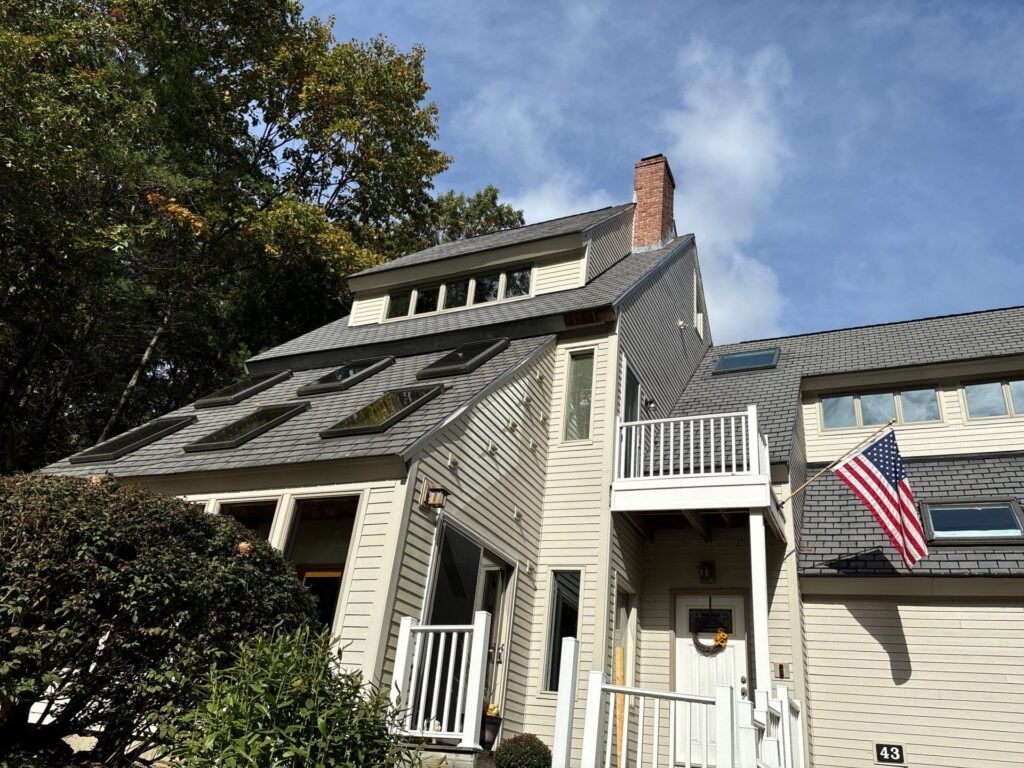
A roof replacement is generally viewed as necessary maintenance, but when executed with specific materials and comprehensive system upgrades, it absolutely counts as a significant energy-efficient improvement. The key is moving beyond simple material replacement to adopting a holistic system that manages heat, moisture, and airflow.
Masterpiece Roofing provides the necessary documentation and uses certified “cool roof” materials, ensuring your project qualifies for maximum efficiency and potential federal incentives.
Federal Tax Credits & Energy-Efficient Home Improvement Credits
Navigating federal tax incentives requires homeowners to understand the specific performance metrics that qualify a material as energy efficient.
Traditional Roofing Materials Typically Do Not Qualify for Federal Credits.
Standard architectural asphalt shingles, unless specially treated, are generally considered basic building components. Replacing an old roof with a standard new one, even if it uses high-quality materials, usually does not qualify for federal residential energy tax credits on its own because the material’s primary function is water shedding, not thermal efficiency.
Some “Cool Roof” Metal and Reflective Materials May Qualify.
To qualify for energy efficiency incentives (like the US federal Energy Efficient Home Improvement Credit, which covers qualifying improvements made to a taxpayer’s principal residence), the roofing material must meet strict performance standards for Solar Reflectance (SR) and Thermal Emissivity (TE), as defined by the Energy Star program.
- Qualifying Materials: Primarily light-colored metal roofs and certain asphalt shingles that are formulated with reflective granules that reduce solar heat gain.
- Insulation: The greatest credits are often available when the roof replacement includes upgrading the attic insulation to meet current Department of Energy (DOE) R-value recommendations.
When a Roof Replacement Counts as Energy Improvement
For your investment to truly count as an energy improvement, the upgrade must be systematic.
If the Roofing Material Meets Reflective/Energy Standards
The roofing material must be specifically designated as “cool roof” by the manufacturer and often carry the Energy Star label. These materials minimize the transfer of heat from the roof surface into the attic below. By reducing radiant heat, you effectively lower the demand on your home’s air conditioning system.
If Insulation, Ventilation, and Related Systems Are Upgraded
A new roof installation is the ideal time to make critical, non-cosmetic energy improvements that do qualify for credits:
- Air Sealing: Sealing air leaks in the attic floor before insulating.
- Insulation Upgrade: Adding or replacing insulation to achieve recommended R-values.
- Balanced Ventilation: Installing or upgrading soffit and ridge ventilation to ensure the attic remains a “cold roof” space, further decreasing the need for cooling and preventing heat loss in winter.
When these components are bundled with the roofing project, the entire system contributes to the home’s overall energy efficiency.
How to Ask Your Contractor
Clear communication with your contractor is necessary to ensure you receive the correct materials and the required proof for tax purposes.
Ask about “Cool Roof” or Energy Star Rated Materials
Specifically request materials that are Energy Star certified or have a high Solar Reflectance Index (SRI). For metal roofs, this means selecting lighter colors or materials with specialized infrared-reflective coatings, even on dark colors.
Ensure Documentation for Any Credit Eligibility
If your contractor installs a qualifying product, they must provide you with a Manufacturer’s Certification Statement. This official document confirms that the product meets the necessary efficiency requirements and is essential for claiming any available federal tax credits.
FAQs
“Can I claim a tax credit for just replacing shingles?”
You generally cannot claim a federal tax credit for simply replacing traditional asphalt shingles. However, if you use a premium asphalt shingle that has been specifically certified by Energy Star for its reflective properties, or if the roof replacement includes the installation of qualifying insulation, then that specific material or insulation cost may be eligible.
“Does metal roofing always qualify?”
No, metal roofing does not automatically qualify. While metal is inherently more reflective than dark asphalt, it must meet the specific Energy Star requirements for solar reflectance and emissivity. A dark, non-certified metal roof would likely not qualify, whereas a light-colored or specially coated metal roof often will. Always look for the official certification.
“Are energy efficient roofs worth the extra cost?”
Yes. Even without tax credits, an energy-efficient roof system provides long-term value:
- Lower Utility Bills: Reduced heating and cooling costs immediately offset the higher material cost.
- Extended Roof Life: By keeping the roof deck cooler, the shingles or metal panels experience less thermal stress, prolonging their lifespan.
- Increased Home Comfort: More stable indoor temperatures with less reliance on HVAC.
Upgrade your home’s protection and performance simultaneously.
Contact Masterpiece Roofing today to explore Energy Star certified roofing materials and comprehensive attic efficiency upgrades.