
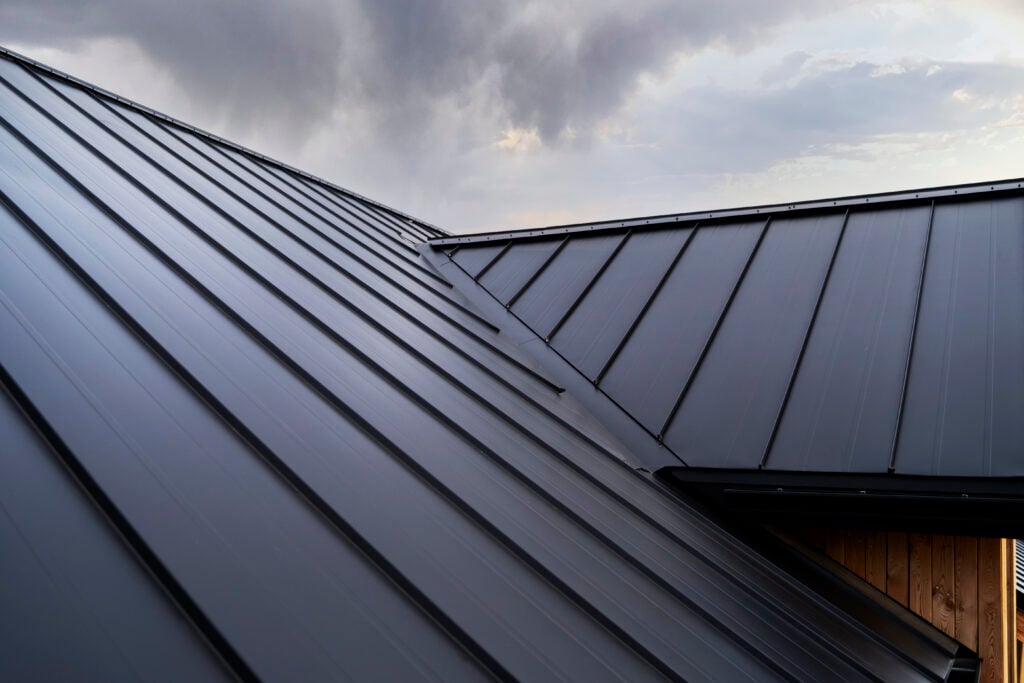
When selecting a metal roof, color is more than just an aesthetic choice—it is a critical factor in determining your home’s energy performance. The color of your roof dictates how much solar radiation is absorbed versus reflected, which directly impacts the temperature of your attic and your subsequent cooling costs.
Masterpiece Roofing guides homeowners through selecting high-performance “cool roof” colors certified to maximize energy savings while complementing your home’s design.
How Color Impacts Energy Efficiency in Metal Roofs
The energy efficiency of a roof color is quantified using the Solar Reflectance Index (SRI).
Lighter Colors Reflect More Solar Radiation (Higher SRI).
The Solar Reflectance Index (SRI) measures a surface’s ability to both reflect solar heat and emit the absorbed heat (thermal emissivity). A higher SRI value indicates better “cool roof” performance.
- White and Light Colors: Naturally have high SRI values because their pigments scatter light rather than absorbing it. This means the vast majority of the sun’s energy never enters your roof system.
- Result: A cooler attic, reduced heat load on the ceiling, and lower demand on your air conditioning system.
Darker Colors Absorb More Heat → Higher Cooling Load.
Darker colors (blacks, deep browns, dark blues, or greens) have a low SRI because they absorb most of the sun’s infrared and visible light energy. This absorption causes the roof surface to heat up significantly, transferring radiant heat into the attic.
Example Comparison:
| Color | Standard SRI Range (Approx.) | Performance |
| :— | :— | :— |
| White/Light Gray | 80–100 | Excellent reflection; maximum cooling benefit. |
| Medium Grey/Beige | 45–65 | Good balance of aesthetics and efficiency. |
| Black/Dark Brown | 10–25 | High heat absorption; minimal cooling benefit. |
Best Color Choices for Efficiency
For most US homeowners, the goal is to keep the house cool during the summer, making high-reflectance colors the superior choice.
White (Highest Reflectivity)
White is the undisputed champion of energy efficiency, offering the highest SRI and resulting in the lowest surface temperature of any color. While pure white might not suit every architectural style, it offers the best immediate return on investment in cooling cost reduction.
Light Greys, Sand/Beige, Light Green as Good Alternatives.
If pure white is not aesthetically desirable, lighter earth tones and pastels provide a very effective compromise. Colors like light beige, tan, pale blue, or light gray still offer significantly higher solar reflectance than medium or dark colors while blending more subtly with the home’s exterior. These colors are often certified by the Cool Roof Rating Council (CRRC) as high-performance coatings.
Design vs. Efficiency Tradeoffs
The choice of color involves considering local climate needs and architectural harmony.
Aesthetic Preferences vs. Efficiency Goals
Homeowners often prioritize curb appeal. For instance, a historic home might demand a dark bronze or deep green roof. In this case, it is essential to communicate the efficiency tradeoff with the contractor and ensure that the attic insulation and ventilation are robust enough to counteract the higher heat absorption of the dark color. A professional can help you select a highly reflective dark color (using specialized cool pigments) that minimizes absorption without sacrificing your design vision.
Regional Climate Considerations: Cooler Climates Might Prefer Darker Colors for Winter Heat Gain.
While most of the US focuses on summer cooling, homeowners in far northern regions with very short summers and long, cold winters might strategically choose a darker roof. A low-SR, dark roof will absorb heat in the winter, potentially reducing heating costs slightly. However, this small winter benefit is often outweighed by the significant strain the dark roof places on the AC system during the summer months. For the majority of US climates, cooling load reduction remains the priority.
FAQs
“Is white always best for all climates?”
White is best for efficiency in all climates where cooling costs exceed heating costs. The exception is in very cold, high-latitude regions where absorbing solar energy in the winter is beneficial, and where summer heat is minimal. However, even in cold regions, the primary function of a roof is to keep the attic temperature consistent with the outside air for moisture control, which is best achieved through balanced ventilation, not excessive heat gain.
“Can dark metal roofs be made energy efficient with coatings?”
Yes. Modern technology, utilizing infrared-reflective pigments, allows manufacturers to create very dark colors (like deep bronze or charcoal) that look dark to the eye but reflect up to 50% or more of the sun’s invisible infrared heat. When choosing a dark roof, always confirm it uses these cool pigment coatings to maximize performance.
“Does color alone determine performance?”
No, color is only one factor. Even the lightest, most reflective roof will perform poorly if the attic has inadequate insulation or poor ventilation. The system must work together:
- Reflection (Color): Reduces the heat hitting the deck.
- Insulation (R-Value): Resists the heat transfer into the home.
- Ventilation (Airflow): Flushes out any heat or moisture that gets in.
Make your metal roof color an investment in your home’s thermal performance.
Contact Masterpiece Roofing today for a consultation on CRRC-rated “cool roof” colors and energy analysis.