
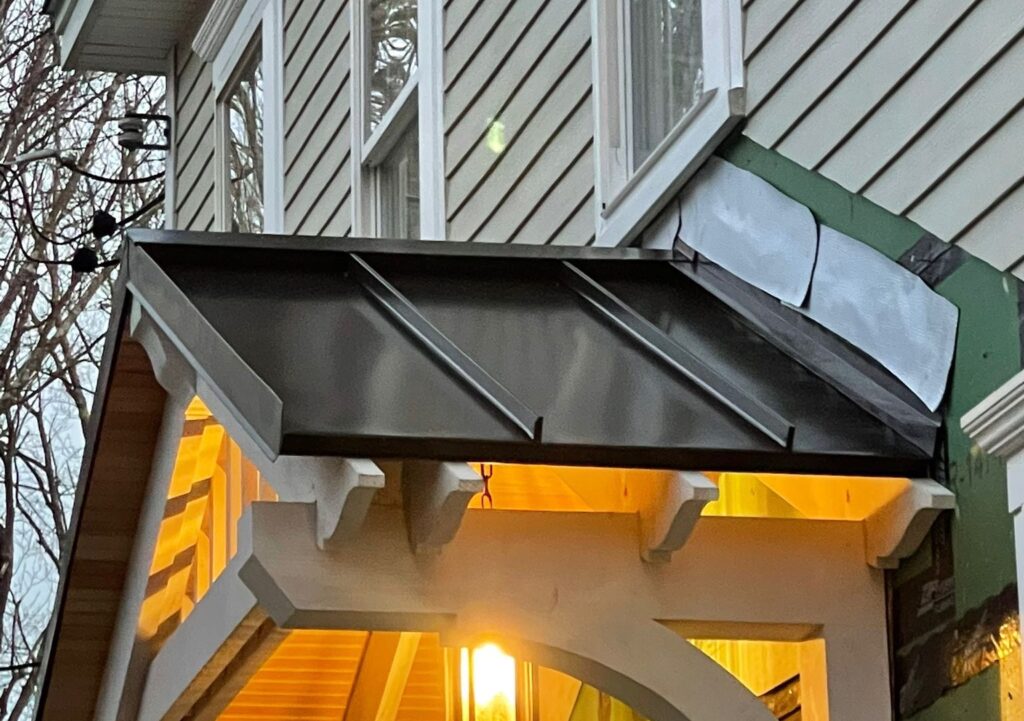
Metal roofs are one of the most energy-efficient roofing options available today, but their performance relies heavily on two factors: the material’s ability to reflect solar heat and the quality of the attic’s insulation and ventilation system beneath it. By reflecting solar energy away from the building, a metal roof drastically reduces the heat load on the structure, leading to significant savings on cooling costs.
Masterpiece Roofing designs and installs metal roofing systems specifically optimized with “cool roof” technologies to ensure maximum thermal performance and long-term energy savings.
How Metal Roofing Improves Energy Efficiency
Metal’s inherent surface properties offer two distinct thermal advantages over darker, absorbent materials like asphalt.
Reflects Solar Energy; Metal Panels with Cool-Roof Coatings Reduce Attic Heat Gain.
The primary mechanism for energy efficiency in metal roofs is high Solar Reflectance (SR). SR measures the roof’s ability to reflect sunlight (and heat) away from the surface. While a standard black asphalt shingle roof may reflect only 5%–10% of solar radiation, a light-colored or specially coated metal roof can reflect up to 80%. This reflection means less heat is absorbed, leading to a much cooler roof deck and attic space.
Long Lifespan Reduces Material Waste, Qualifies for Sustainability Credits.
Metal roofing is a highly sustainable choice.
- Longevity: With a lifespan of 50 to 75 years, metal roofs prevent the need for multiple re-roofs, drastically reducing landfill waste compared to asphalt.
- Recyclability: Most metal roofing materials are made with significant recycled content and are 100% recyclable at the end of their long life. This commitment to sustainability can sometimes qualify homeowners for specific local energy efficiency or green building credits.
Key Features to Maximize Efficiency
To unlock the full energy-saving potential of a metal roof, specific material and installation choices are recommended.
“Cool Roof” Coatings with High Solar Reflectance and Emissivity.
The color and coating are paramount. A “cool roof” is defined by two metrics:
- Solar Reflectance (SR): The amount of solar radiation reflected (higher is better).
- Thermal Emissivity (TE): The ability of the roof surface to release absorbed heat back into the atmosphere (higher is better).
Light-colored metal roofs and those treated with special pigment systems (like Kynar 500/PVDF) maintain very high SR and TE values, ensuring they absorb minimal heat and quickly shed any heat they do absorb.
Proper Installation with an Air Gap or Battens Improves Performance.
Installing the metal panels with a small air gap between the metal and the existing roof deck (often achieved using batten strips) creates a ventilated air space. This pocket acts as a thermal break, allowing air to circulate and carry away any minimal heat that penetrates the metal, further reducing the load on the attic and the ceiling below.
When Metal Roofing Makes Most Sense
The investment in metal roofing is most financially rewarding in specific scenarios.
Hot Climates, Homes with High Cooling Demand
If you live in a region with long, hot summers and rely heavily on air conditioning, the reflective properties of a cool-colored metal roof will provide the most significant, immediate, and measurable reduction in energy costs. The reduction in radiant heat transfer can drastically shorten AC run times.
Seeking Long-Term Durability, Low Maintenance
Beyond energy savings, metal offers exceptional longevity and low maintenance. The investment makes sense for homeowners planning to stay in their property for 15+ years, allowing them to fully realize the cost savings from reduced utility bills and the avoidance of future material replacement expenses.
FAQs
“Does a metal roof save money on cooling?”
Yes, it does. While the exact percentage varies based on insulation levels and climate, homeowners in sunny climates often report a reduction in cooling costs of 10% to 25% after installing a light-colored or reflective-coated metal roof. The roof reflects the sun’s energy before it can become heat inside the attic.
“Are metal roofs better than shingles in energy terms?”
Generally, yes. Standard dark asphalt shingles absorb most solar heat, transferring it directly to the attic. Even a standard, unpainted metal roof is inherently more reflective than a dark shingle roof. When comparing a high-quality metal roof with a specific “cool roof” coating to any asphalt shingle, the metal roof provides vastly superior thermal performance.
“What coatings do I need for metal roof energy savings?”
Look for metal roofing panels finished with Kynar 500 or a similar high-performance PVDF (Polyvinylidene Fluoride) resin-based coating system. These coatings are specifically engineered with heat-reflective pigments to maintain high Solar Reflectance and Thermal Emissivity throughout the coating’s lifespan, which is key to long-term energy savings.
Maximize your home’s energy performance and longevity with a high-efficiency metal roof system.
Contact Masterpiece Roofing today for a consultation on “cool roof” technology and a performance estimate.