
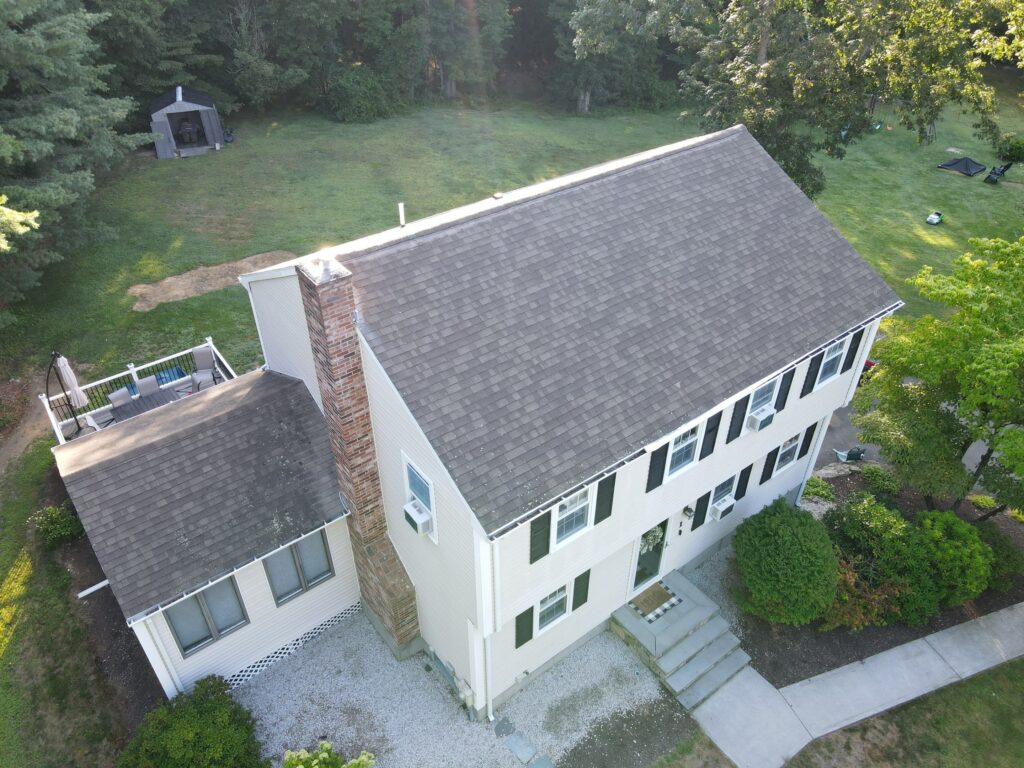
Replacing a roof is one of the most critical and expensive home maintenance projects a homeowner undertakes. Because the roof protects the entire structure from weather damage, choosing the right materials and the right contractor is an investment in your home’s long-term value and safety. Determining the final cost requires evaluating several variables, including the material chosen, the complexity of the installation, and current labor rates in your region.
Masterpiece Roofing provides transparent, detailed estimates and uses only high-quality, warrantied materials to ensure the longevity and performance of your new roofing system.
Average Cost of a New Roof
Roofing contractors typically quote projects based on the “square,” which is a unit of measurement unique to the roofing industry.
Typical Cost per Square Foot and per “Roof Square” in the U.S.
In the roofing industry, a “roof square” equals 100 square feet of roof surface area. A typical U.S. home roof often measures between 15 and 30 squares.
| Measurement Unit | Typical Cost Range (Installed) | Notes |
| Per Square Foot | $3.50 – $12.00+ | Used primarily for quick estimates; accounts for material complexity. |
| Per Roof Square | $350 – $1,200+ | Standard billing unit; includes material, labor, and basic installation. |
Example National Averages and Recent Year Trends
As of recent trends, the national average cost for a full roof replacement on a standard 2,000 sq ft home (20 squares) with asphalt shingles often falls between $7,000 and $15,000.
- Recent Trends: Over the last few years, material price fluctuations (especially for asphalt, lumber, and metal) have led to increased volatility in final quotes. Additionally, tighter building codes and increased insurance liability requirements have pushed labor costs upward.
Key Factors That Affect Roof Replacement Cost
The final price is rarely determined by material choice alone; logistical and architectural factors play a major role.
Material Type (Asphalt, Metal, Slate)
The material chosen sets the base price for the entire project:
- Architectural Asphalt Shingles: The most common and economical choice, offering good durability and a wide variety of colors. ($350 – $600 per square installed)
- Metal Roofing (Standing Seam): Offers superior longevity (50+ years), energy efficiency, and high wind resistance, but has a higher initial cost. ($700 – $1,500+ per square installed)
- Premium Materials (Slate, Tile, Copper): Extremely durable and aesthetically valuable, but require specialized structural support and installation techniques, making them the most expensive options. ($1,500 – $4,000+ per square installed)
Roof Size, Pitch, Complexity, and Height
- Pitch (Steepness): A steep roof (high pitch) requires extensive safety measures, including specialized harnesses and staging. This slows down labor and increases costs significantly compared to a shallow-pitch roof.
- Complexity: Roofs with numerous dormers, valleys, hips, skylights, or chimneys require more cutting, flashing, and sealing work, dramatically increasing labor hours and material waste.
- Height: Multi-story homes require specialized access equipment and stricter safety protocols, which raise labor costs due to increased complexity and risk.
Geographic Location and Labor Costs
Labor costs are determined by the cost of living and insurance rates in a specific metropolitan area. Contractors in high-cost-of-living areas, like major coastal cities, will charge substantially more for the same amount of labor than those in rural or less expensive regions.
Current Material Price Fluctuations
The roofing industry is sensitive to commodity markets. Tariffs, supply chain disruptions, and fluctuations in oil prices (a key component in asphalt shingles) can cause material costs to spike unexpectedly, requiring contractors to adjust bids based on the latest supplier pricing.
How to Budget & Get an Accurate Estimate
Due diligence in the budgeting phase will prevent unforeseen expenses and guarantee clarity on the project scope.
Get Multiple Contractor Quotes
Always obtain at least three quotes from licensed and insured local roofing contractors. Ensure all contractors are quoting the same scope of work (same material, same underlayment, same flashing type) to make a fair comparison. A wide variation in price often indicates a difference in material quality or a discrepancy in the scope of prep work included.
Understand What’s Included (Removal, Underlayment, Flashing, Permits)
A comprehensive quote should explicitly itemize the following:
- Old Roof Removal/Disposal: Cost for tearing off the existing material and hauling it away.
- Decking Repairs: Rate for replacing damaged or rotten plywood decking (often billed on an as-needed, per-sheet basis).
- Underlayment & Ice/Water Shield: Installation of the protective barriers beneath the shingles.
- Flashing & Ventilation: Installation of metal flashing around chimneys and vents, and ensuring proper attic ventilation (ridge vents, soffit vents).
- Permits: Cost of securing local building permits and scheduling necessary inspections.
Plan for Contingency
Due to the possibility of unforeseen damage (rotten decking or structural issues hidden beneath the old shingles), homeowners should budget an additional 10% to 15% of the total project cost for contingencies.
FAQs
“How long does a roof last before replacement?”
Lifespan depends heavily on material and climate:
- 3-Tab Asphalt Shingles: 15–20 years.
- Architectural Laminate Shingles: 25–35 years.
- Metal Roofing: 40–70 years.
- Slate/Tile: 75–150 years.
A professional inspection should be scheduled once the roof passes 75% of its typical lifespan.
“Can I replace just part of the roof and save money?”
In certain situations (localized storm damage or a small leak), a repair may be feasible. However, replacing only a section often results in mismatched color and inconsistent wear patterns. Most local building codes require replacement of the entire roof slope if more than 25% of the surface area is damaged, or if the roof has two or more existing layers.
“Does choosing premium material always pay off?”
Premium materials (like metal or slate) offer superior durability and can significantly increase your home’s resale value, especially in competitive markets. If you plan to remain in the home for 15+ years, the investment often pays off through energy savings and avoiding another full replacement. If you plan to move within 5 years, high-quality architectural asphalt may offer the best balance of cost and return on investment.
Ready to get a precise and transparent quote for your new roof?
Contact Masterpiece Roofing today for a detailed, no-obligation inspection and estimate.