
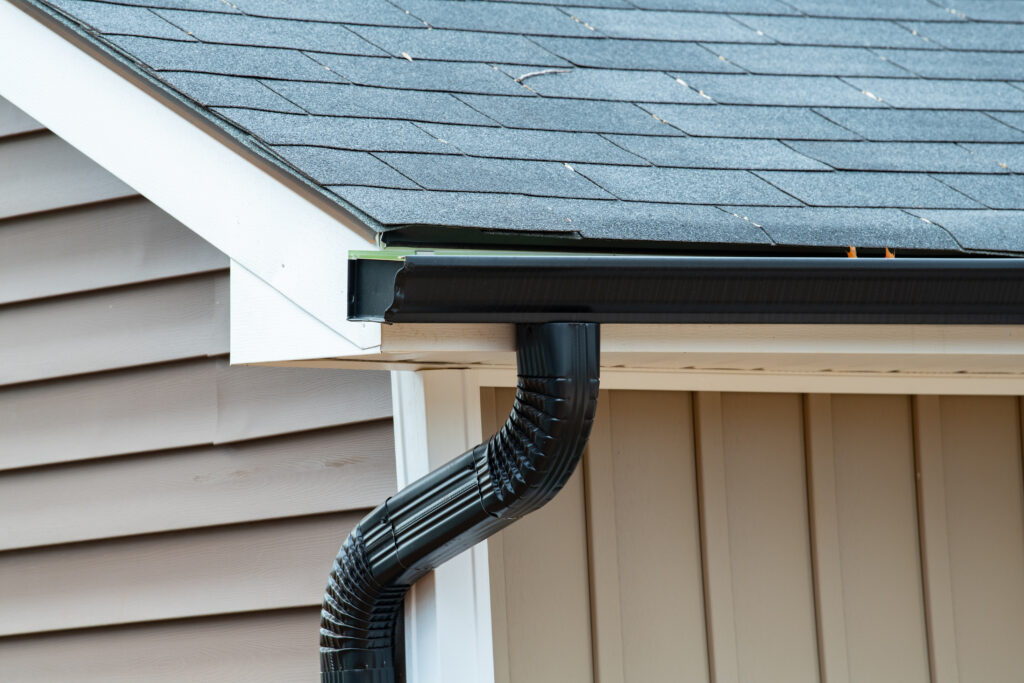
Homeowners often view their roof and gutters as separate systems, but in reality, they operate as a single, interdependent unit. Your roof collects the precipitation, and your gutters execute the critical mission of drainage. Without an efficient gutter system, the advanced waterproofing technology of your roof is compromised, leading to premature damage and failure. Understanding this relationship is key to effective home maintenance.
The Relationship Between Roofs and Gutters
Gutters are specifically engineered to manage the intense volume of water that runs off the roof’s large surface area, protecting the most vulnerable parts of the roofing system.
Gutters Channel Rainwater Away from Shingles and Fascia
When properly installed, gutters receive every drop of water directed down the roof plane by the drip edge. This crucial diversion prevents catastrophic erosion.
- Protecting the Shingles: If water isn’t efficiently captured, it can splash back onto the underside of the first few rows of shingles, undermining the adhesive and causing them to curl or lift prematurely. The consistent flow of water, especially during heavy downpours, also protects the granular surface of shingles from erosion.
- Preserving the Fascia: The fascia board runs horizontally along the edge of your roof and is the primary mounting point for your gutters. Water overflowing due to a clog or sag will relentlessly drench this wood, leading to saturation, rot, and eventual decay. A compromised fascia can lead to the gutter pulling away entirely, which constitutes a major roofing emergency.
Prevents Standing Water That Can Cause Rot or Leaks
Clogged or poorly pitched gutters inevitably hold water, creating a prolonged exposure risk that asphalt shingles and wood decking are not designed to withstand.
- Ice Dam Formation: During winter months, standing water in a gutter combined with heat escaping from the attic can contribute to the formation of ice dams. These dams sit directly on the roof’s edge, forcing melting snow and ice water up beneath the shingles, which is the leading cause of winter leaks in the attic and along exterior walls.
- Decking and Sheathing Rot: Excessive moisture concentrated at the roof’s perimeter due to gutter failure can saturate the underlying wood decking (sheathing) and rafters. This moisture encourages the growth of wood-destroying fungi and greatly reduces the structural lifespan of the roof assembly.
What Happens When Gutters Fail
Gutter failure initiates a cascading series of damages, moving from the roof to the foundation and affecting the entire building envelope.
Overflow Can Damage Roof Edges and Siding
When gutters cease to function as channels and instead become troughs, the water overflow acts like a continuous, localized rain shower aimed directly at your home’s exterior surfaces.
- Siding Degradation: Overflowing water constantly runs down the siding, washing away protective coatings and paint. For homes with wood siding, this leads to warping and rotting. For homes with stucco or brick, the repeated saturation can cause efflorescence (salt deposits) and structural deterioration of the mortar.
- Eaves and Soffit Damage: The eaves and soffits—the lower, exposed portion of the roof—are designed to protect the attic and rafters. Gutter overflow saturates these areas, leading to staining, wood rot, and compromising the critical ventilation of the attic space, which in turn shortens the life of your roof by retaining heat and moisture.
Foundation and Basement Flooding Risks
The most expensive damage associated with gutter failure occurs below ground, jeopardizing the structural integrity of your entire home.
- Hydrostatic Pressure: A single inch of rain on a 1,000 square foot roof can amount to over 600 gallons of water. When gutters dump this volume directly onto the soil near the foundation, the soil becomes saturated. This increases hydrostatic pressure, potentially pushing against the basement walls, leading to cracks and inward bowing.
- Erosion and Settling: Over time, continuous, concentrated runoff erodes the soil immediately surrounding the foundation footer. This erosion can cause the foundation to settle unevenly, resulting in interior wall cracks, sticking doors, and uneven floors—all indicators of serious, structural roof-related drainage issues.
Signs Your Gutters Are Affecting Your Roof
As a homeowner, knowing the visual clues that your gutters are harming your roof allows you to intervene before major structural repairs are needed.
Water Stains Under Eaves or in Attic
These are the clearest indicators that water is escaping the gutter system and infiltrating the roof structure.
- Eaves Staining: Look for discoloration, streaks, or persistent dirt lines on the fascia or soffit panels beneath the gutter. This confirms repeated overflow due to clogs or improper pitch.
- Interior Water Damage: In the attic, check for dark spots on the underside of the roof deck or on insulation near the exterior walls. These stains signal a leak, often originating from water forced under the shingles by ice dams or persistent pooling caused by gutter failure.
Peeling Paint or Sagging Gutters
The physical condition of the gutters and adjacent materials offers immediate evidence of system failure.
- Sagging or Pulling Away: Gutters that appear visibly bowed or separated from the fascia board are likely overloaded with standing water and debris. A sag indicates broken or loose hangers and means the gutter is no longer pitched correctly to drain.
- Peeling Exterior Paint: If paint is consistently bubbling or peeling on the house siding or trim directly beneath the gutter line, it is a definitive sign of chronic overflow. This happens because the material is being soaked repeatedly, preventing proper drying and adhering.
Preventive Measures for Roof Longevity
Protecting your roof’s investment is an ongoing process. Simple, routine maintenance of your drainage system is the most powerful preventative step you can take.
Schedule Seasonal Gutter Cleaning and Inspection
The single most important routine is a biannual professional service, ideally scheduled just after the major leaf drop in the fall and again in the early spring.
- Expert Diagnosis: Professional cleaning ensures the removal of all debris, including small shingle granules and trapped sediment that homeowners often miss. More importantly, it includes an inspection of the gutter-to-roof interface, checking the drip edge, flashing, and the integrity of the fascia attachment.
- Pitch Correction: Only a professional can accurately assess and adjust the gutter pitch to ensure water is flowing optimally and eliminating standing water, thereby protecting the roof edge from prolonged moisture exposure.
Add Gutter Guards for Long-Term Protection
For maximum roof protection and reduced maintenance, high-quality gutter guards are a worthwhile investment.
- Debris Prevention: Guards cover the gutter trough, allowing only water to enter while deflecting leaves, twigs, and other debris that cause clogs. This dramatically reduces the risk of overflow and the subsequent damage to the roof’s edge and foundation.
- Peace of Mind: By keeping the gutter system clear and functional year-round, gutter guards provide a long-term defense against ice dams and chronic leakage, significantly extending the effective lifespan of your entire roofing system.
FAQs
Can gutter problems cause roof leaks?
Absolutely. Gutter clogs are a primary contributor to roof leaks, especially in cold climates. The most common mechanism is through ice damming. When a clogged gutter prevents drainage, water can freeze and back up beneath the shingles. This water penetration often appears as leaks in the attic, near exterior walls, or through ceiling drywall, and it directly compromises the roof deck.
How often should I check my roof and gutters?
You should visually check your roof and gutters from the ground quarterly, looking for obvious signs like debris buildup, sagging, or water stains. However, a professional inspection by a licensed roofing contractor should be scheduled twice a year (spring and fall). This ensures that hidden problems, such as loose flashings, granule loss, or minor leaks that originate near the compromised gutter line, are identified and addressed before they escalate into expensive structural repairs.
Your roof and gutters share the critical job of protecting your home from water damage. Don’t compromise one by ignoring the other.
Contact Masterpiece Roofing today for a combined roof and gutter system evaluation to ensure your entire home defense is secure and functioning flawlessly!