
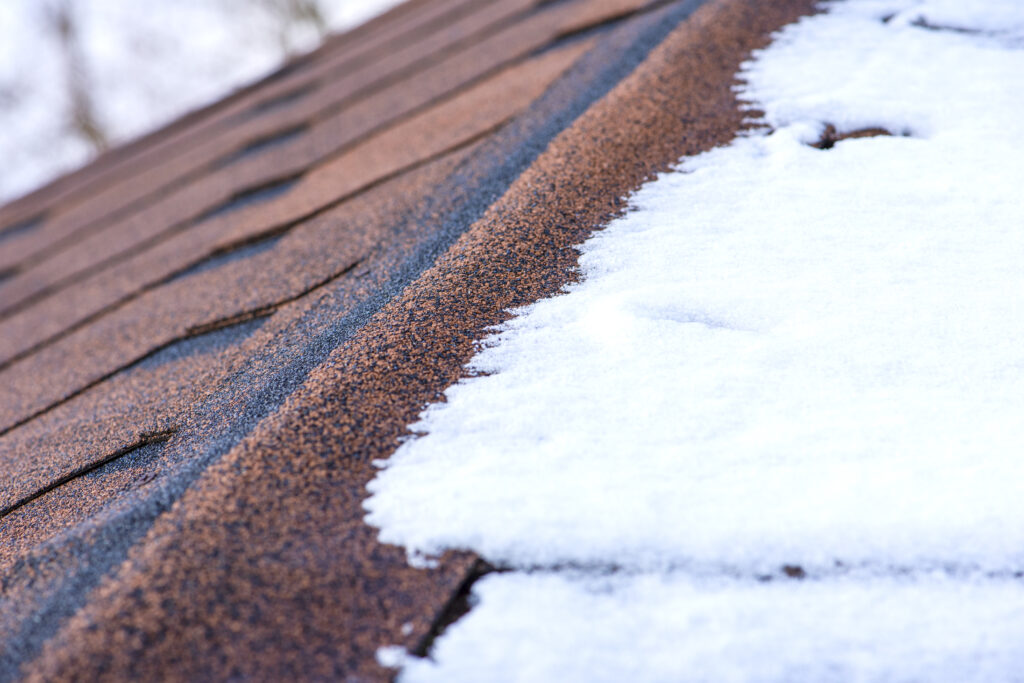
While a fresh snowfall can be beautiful, it can also pose a significant threat to your roof. The weight of heavy snow and the subsequent freeze-thaw cycles can cause serious damage that may not be visible until a major problem occurs. Understanding the risks and knowing how to prevent them is key to protecting your home.
How Snow Damages Roofs
Snow can be much more destructive than you might think, primarily due to its weight and the moisture it contains.
Excessive weight and sagging
Roofs are designed to support a certain amount of weight, but heavy, wet snow or a significant accumulation from multiple storms can exceed this limit. This excessive snow load can cause the roof structure to stress, leading to a noticeable sag or, in extreme cases, a complete collapse. It’s a serious issue that demands immediate attention.
Ice dam formation
This is one of the most common and damaging winter roof problems. An ice dam is a ridge of ice that forms at the edge of the roof. It forms when warm air from your attic melts snow on the roof, and the resulting water runs down to the colder eaves and refreezes. The dam traps additional melting water behind it, forcing it to back up under your shingles and into your home, causing leaks and water damage to ceilings and walls.
Water leaks from melting snow
Beyond ice dams, the simple process of melting snow can lead to leaks. As snow melts, water can find its way into small cracks in shingles or around flashing. When it refreezes, the expanding ice widens these cracks, and when it melts again, the larger opening allows more water to seep in, causing a slow but steady leak.
Signs of Snow-Related Roof Damage
It’s not always easy to see roof damage from the ground, but there are some key indicators you should look for.
Interior leaks and water spots
This is the most obvious sign. If you notice water spots on your ceiling, especially in an attic or top-floor room, it’s a strong indication that you have a roof leak. You may also notice discoloration on walls or a musty odor.
Cracks in ceilings or walls
Excessive snow load can place enough stress on your home’s structure to cause cracks to appear in your interior ceilings or walls. While these could have other causes, if they appear after a heavy snowfall, they are likely related to the weight on your roof.
Preventing Roof Damage from Snow
Taking preventative measures before winter hits is the best way to avoid snow-related roof problems.
Safe snow removal
If you live in an area with heavy snowfall, carefully removing snow from your roof can prevent stress and ice dams. This is a job best left to a professional roofer who has the proper equipment and safety training to avoid damaging the roof or injuring themselves.
Professional inspections
Before winter and after any major storm, a professional roof inspection is highly recommended. An expert can spot vulnerabilities like poor attic ventilation or minor damage that could lead to bigger problems once the snow and ice arrive.
FAQs
How much snow is too much for a roof?
The weight of snow varies depending on its moisture content. A good rule of thumb is that if you have more than 18 to 24 inches of light, fluffy snow or 6 to 12 inches of heavy, wet snow on your roof, it’s a good idea to consider having it professionally removed.
Can snow collapse a roof?
Yes. While rare, a roof can collapse under extreme snow loads. This is more likely to happen if the roof is old, has structural issues, or if the snow is unusually heavy and wet.
Worried about your roof this winter? Masterpiece Roofing offers free, no-obligation roof inspections to help you assess any damage and find the right solution. Contact us today to ensure your home is ready for the cold season.