
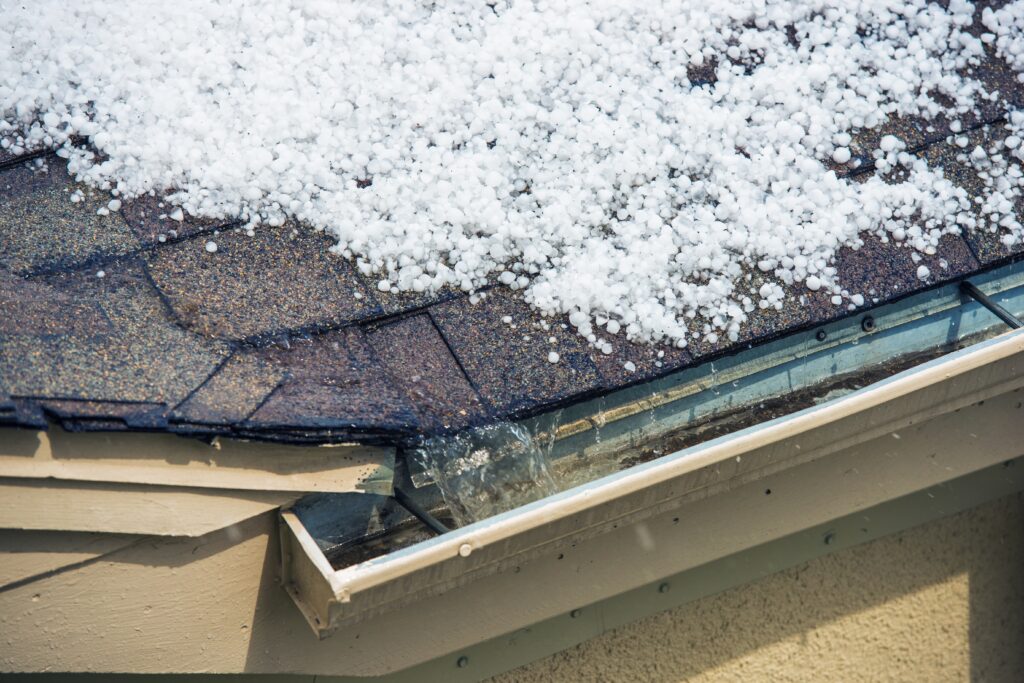
Winter brings beautiful snowy landscapes, but it also presents a unique set of challenges for your roof. The combination of snow, ice, and freezing temperatures can cause significant damage that may not be immediately obvious. Understanding how winter weather affects your roof and knowing what signs to look for is crucial for preventing costly leaks and structural problems.
Common Winter Roof Problems
Winter creates specific conditions that can be tough on your roofing system.
Ice dams
An ice dam is a ridge of ice that forms at the edge of a roof and prevents melting snow from draining off. When warm air from your attic melts the snow on your roof, the water runs down to the colder eaves and refreezes. This process continues until a dam of ice builds up, forcing water to back up under your shingles and into your home.
Snow load stress
While roofs are designed to handle a certain amount of weight, heavy, wet snow or repeated snowfalls can put significant stress on the structure. This snow load can lead to sagging, bowing, or even a full collapse in extreme cases.
Freeze-thaw cycle damage
The constant freezing and thawing of water can wreak havoc on your roofing materials. Moisture that seeps into small cracks or under shingles expands when it freezes, making those cracks larger and lifting shingles. This repeated cycle weakens your roof’s integrity and makes it more vulnerable to leaks.
Signs of Winter Roof Damage
Many signs of winter damage are subtle, so it’s important to know what you’re looking for.
Leaks or water stains
This is the most obvious sign of a problem. If you see water spots or stains on your ceilings or walls, it’s a clear indication that water is getting into your home, likely from a roof leak.
Cracked shingles or flashing
Once the snow melts, take a look at your roof (safely from the ground with binoculars, or by hiring a professional). Look for cracked or split shingles , especially around the edges, as well as bent or loose flashing around chimneys and vents.
Sagging roof sections
This is a more severe sign of damage, often caused by heavy snow load or water damage to the underlying decking. A noticeable sag or bow in your roofline indicates a serious structural issue that requires immediate professional attention.
When to Call a Professional
While it’s good to be proactive, some situations require a professional’s expertise.
Small vs severe damage
You may be able to handle minor issues like a single loose shingle, but a full roof inspection is always recommended. For any signs of severe damage, such as a sagging roof or extensive leaks, contact a professional immediately.
Safety concerns in winter
Do not attempt to climb onto a snow-covered or icy roof. It is extremely dangerous. A professional roofer has the right equipment and training to safely inspect and repair your roof during winter conditions.
Preventing Future Winter Damage
The best defense against winter roof damage is preparation.
Attic insulation and ventilation
Proper attic insulation and ventilation are key to preventing ice dams. Insulation keeps the heat in your home from rising into the attic and melting the snow on your roof. Ventilation ensures that any trapped heat and moisture can escape, keeping the roof deck’s temperature consistent.
Regular snow removal
If you live in an area with heavy snowfall, carefully removing snow from your roof after each storm can reduce stress and prevent ice dams. It is best to hire a professional for this service to ensure it is done safely and without damaging your roof.
Worried about winter weather damage to your roof? Masterpiece Roofing offers free, no-obligation roof inspections to assess any issues and provide solutions. Protect your home this winter by contacting us today!