
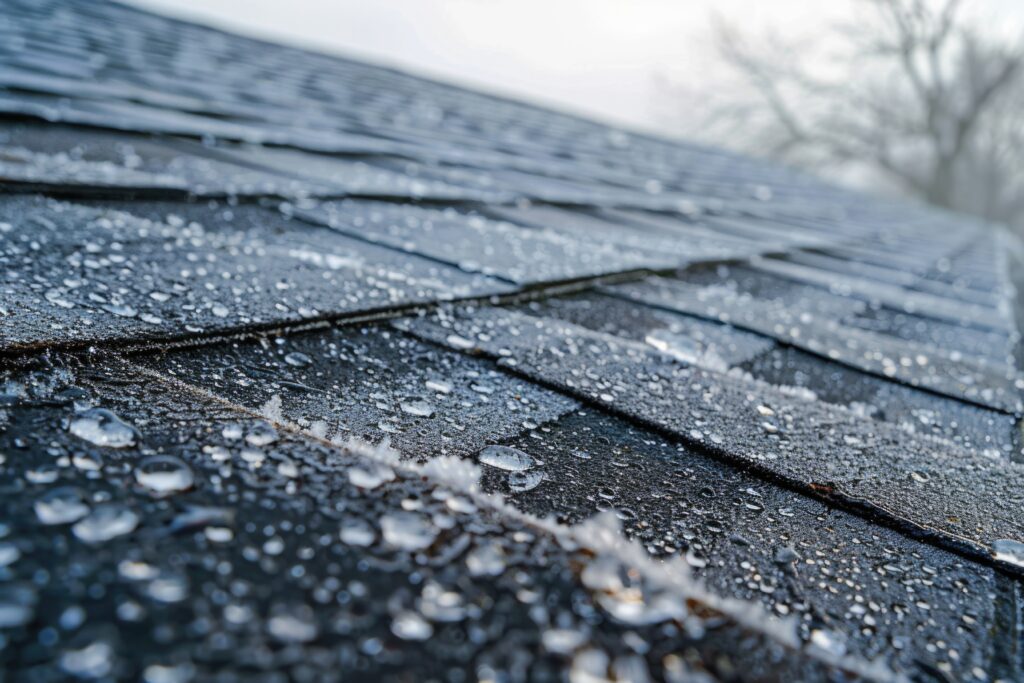
After a hailstorm, a common question for homeowners is whether their roof damage is extensive enough for a full replacement. While a few small dents might not warrant a new roof, significant damage can compromise its protective function and require a major investment. Understanding the factors that determine whether to repair or replace is key to making an informed decision.
Factors That Determine Replacement
It’s not just about the number of dents. Several factors, including the type of damage and the age of your roof, play a critical role in the final assessment.
Number of damaged shingles
Insurance companies and roofing contractors often use a “hit count” to determine if a replacement is necessary. They’ll typically use a small square-foot area (e.g., a 10-foot by 10-foot square) as a test patch. If there is a certain number of confirmed hail strikes within that area (the specific number can vary by insurer), it often triggers a full replacement. This standard helps ensure that all widespread damage is addressed, not just the most visible spots.
Age of the roof
The age of your roof is a major factor. An older roof with existing wear and tear is more susceptible to extensive hail damage. The hail impact can accelerate the natural aging process, making even a seemingly minor hit more significant. A storm that might only cause minor, repairable damage to a new roof could justify a full replacement on a 15-year-old roof.
Extent of leaks and structural damage
If hail damage has led to leaks or compromised the underlying decking or structural components, a full replacement is almost always the recommended course of action. Water seeping into the attic can lead to mold, rot, and other costly structural issues that simple repairs cannot fix.
Repair vs Replacement
Making the right choice between a small repair and a full roof replacement can save you money and headaches in the long run.
When small repairs are enough
If the hail damage is isolated to a small section of the roof, and the rest of the roofing material is in good condition, a professional repair is often sufficient. A contractor can replace the damaged shingles and ensure the rest of the roof is sound.
When full replacement is better long-term
A full replacement is the best long-term solution when the damage is widespread, the roof is older, or a significant portion of its lifespan has been compromised. Replacing the entire roof ensures a uniform, watertight seal and a new warranty, giving you peace of mind for years to come.
Insurance Considerations
Navigating the insurance claim process is a critical part of dealing with hail damage.
How adjusters evaluate hail damage
Insurance adjusters use criteria similar to roofing contractors. They will inspect the roof for signs of damage and may also use test squares to count hits. They look for direct evidence of hail impact, not just normal wear and tear.
Documentation tips for claims
To help your claim, document any signs of damage you can safely see from the ground. Take photos of bruised shingles, damaged gutters, or dents on vents. This evidence can be useful for your claim, but remember that a professional inspection is required for a complete assessment.
FAQs
Does one hailstorm mean replacement?
Not necessarily. The decision to replace a roof depends on the severity of the hail, the resulting damage, and the age of your roof, as well as your insurance policy. A professional inspection is the only way to know for sure.
Will insurance cover a full roof?
Most homeowner’s insurance policies cover hail damage. If the damage is extensive enough to meet your insurer’s criteria for replacement, they will likely cover the cost of a full new roof, minus your deductible.
Worried about hail damage on your roof? Don’t wait until it’s too late. Masterpiece Roofing offers free, no-obligation roof inspections and works with your insurance to ensure a seamless repair or replacement. Contact us today for a professional assessment!