
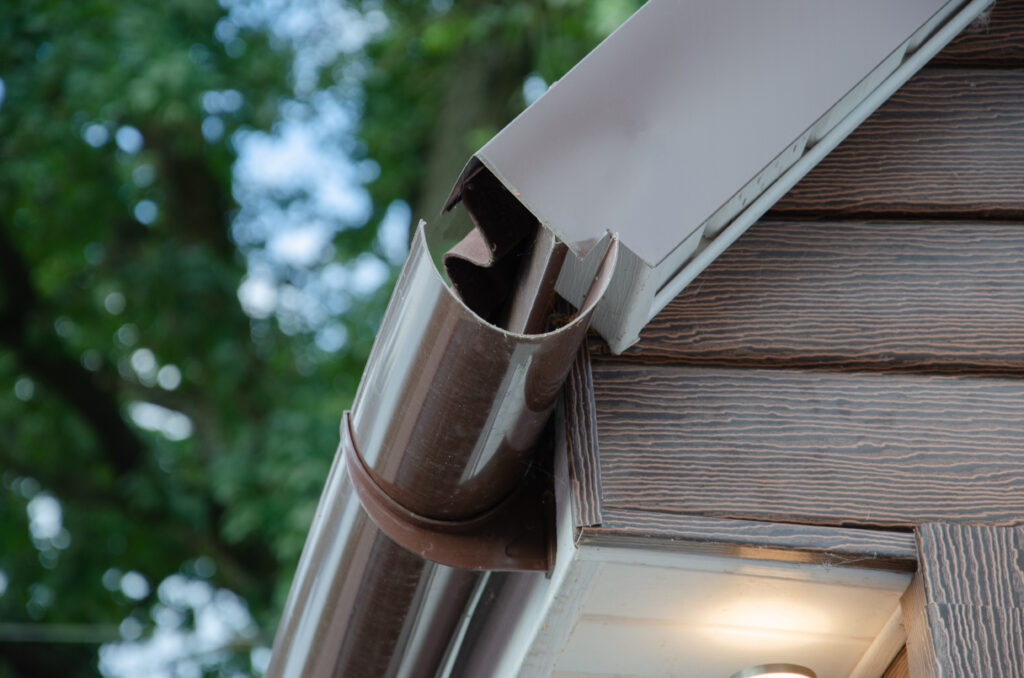
Gutters are one of the most critical, yet often overlooked, components of your home’s exterior defense system. They serve a single, vital purpose: managing the flow of water off your roof and away from your foundation. If your gutters are failing, they aren’t just an eyesore—they are actively undermining the structural integrity of your roof, fascia, and landscaping.
Understanding the lifespan of your gutters and recognizing the signs of failure are crucial steps in preventative home maintenance.
Why Gutter Replacement Matters for Your Roof and Home
Gutters protect the entire envelope of your house. When they fail, water cascades down the walls, leading to rotten fascia boards, damaged soffits, mildew on siding, and catastrophic foundation issues caused by constant water pooling near the base of the home.
The Typical Lifespan of Different Gutter Materials
The longevity of your gutter system is heavily dependent on the material used, installation quality, and local climate.
| Material Type | Typical Lifespan | Notes |
| Aluminum (Standard) | 20 to 30 years | Most common due to lightweight nature, affordability, and rust resistance. Requires periodic sealant maintenance on seams. |
| Galvanized Steel | 20 years | Very durable but susceptible to rust once the protective zinc coating is compromised (often by scratches or consistent standing water). |
| Copper | 50+ years | Premium option. Highly resistant to corrosion and does not require painting. Its lifespan often matches or exceeds that of the roofing system itself. |
| Vinyl/PVC | 15 to 20 years | Least expensive, but can become brittle and crack easily in extreme heat or cold (common in US climates with wide temperature swings). |
Key Signs You Need to Replace Gutters Now
Don’t wait until the next big storm hits. Inspect your gutters visually after a heavy rain or during routine roof maintenance.
Sagging or Separation from House Structure
If sections of your gutter system are visibly pulling away from the fascia board, or if they appear to droop (sag) in the middle, the hangers or fasteners are failing. This usually indicates the gutter is overloaded with water, heavy debris, or ice. Sagging prevents water from flowing correctly, causing it to pool and worsen the problem.
Holes, Cracks, Rust or Peeling Paint
Look closely for small pinholes, especially in the bottom of the trough. Even minor cracks can allow thousands of gallons of water to seep behind the gutters and rot the wooden fascia board they are attached to. Widespread peeling paint and consistent rust spots are clear indicators that the protective coating has failed and the underlying material is beginning to degrade.
Pooling Water or Foundation Issues
If you notice standing puddles near your house after a rain, or if your basement or crawl space shows signs of chronic dampness, the foundation is compromised. This is the ultimate sign of gutter failure, meaning the system is either blocked or is not channeling water far enough away from the home.
Factors That Shorten Gutter Lifespan
- Poor Installation: Improper slope (pitch) will cause water to stand instead of drain, accelerating rust and corrosion.
- Lack of Cleaning: Consistent clogging from leaves, pine needles, and shingle granules traps moisture and turns the gutter into a continuous rust bucket.
- Heavy Ice and Snow: In colder regions, ice dams and heavy snow load can strain and warp the gutters, leading to separation from the fascia.
How to Schedule Gutter Replacement Strategically
The most cost-effective time to replace your gutters is when you replace your roof. The roofing and gutter systems work together, and installation is cleanest and easiest when the roof edge and fascia are fully exposed. Replacing them concurrently ensures a perfectly integrated, long-lasting exterior defense.
How Gutter Replacement Integrates with Roofing Services
A comprehensive roofing company treats the gutter system as part of the total roof assembly, not just an add-on. Proper flashing and drip edges must seamlessly guide water into the gutter channel.
Best Time of Year for Replacement
Gutter replacement can generally be done year-round, but late spring/early summer and early fall are ideal. These moderate temperatures allow sealants and caulking used on the end caps and downspout connections to cure properly before facing extreme heat or freezing conditions. It also ensures your system is working perfectly before the heavy rainy season or winter storms arrive.
Choosing a Seamless System vs Sectional Gutters
When replacing, choosing the right system is crucial:
- Sectional Gutters: Sold in pre-cut pieces and assembled with sealants and joints. The major drawback is the seams. Each seam is a potential leak point that requires regular maintenance.
- Seamless Gutters: Custom-formed on-site using a specialized machine. They are one continuous piece from corner to corner. Seamless gutters are significantly superior because they eliminate nearly all potential leak points, require less maintenance, and look cleaner and more integrated with the home’s architecture.
FAQs Homeowners Ask
“Can I just repair my gutters rather than replace?”
Yes, minor repairs are possible and recommended for isolated issues. If you have a single small hole, it can be patched, or a loose hanger can be reattached. However, if the damage is widespread (multiple sections leaking, extensive rust, or long runs of sagging), replacement is the better long-term investment. Repairing widespread damage is often a temporary fix that fails within a year or two, costing more in the long run.
“Will new gutters prevent roof damage?”
Absolutely. New, properly functioning gutters prevent water damage to two critical areas of your roofing system:
- Fascia Board: They ensure water doesn’t wick up and rot the vertical board that holds the gutters.
- Shingle Overhang: They capture the water running off the edge of your shingles, preventing water from dripping behind the siding and causing deterioration of the soffit and truss ends.
“What material is best for my climate or house style?”
- For Value and Versatility: Aluminum is the standard recommendation for most US homes, offering the best balance of longevity, durability, and cost.
- For Durability and High Rain Loads: Heavy-gauge galvanized steel provides superior rigidity, crucial in areas with heavy snow loads.
- For Historic Homes or Luxury Aesthetics: Copper is unmatched for its classic look and exceptional longevity, developing a beautiful, protective patina over time.
Don’t let leaky gutters compromise the structural integrity and value of your home.
Whether you are looking for a standalone gutter replacement or are planning a full roof overhaul, Masterpiece Roofing specializes in installing high-quality, seamless gutter systems that provide superior drainage and protection.
Contact Masterpiece Roofing today for a free, comprehensive inspection of your existing gutter and roofing system!