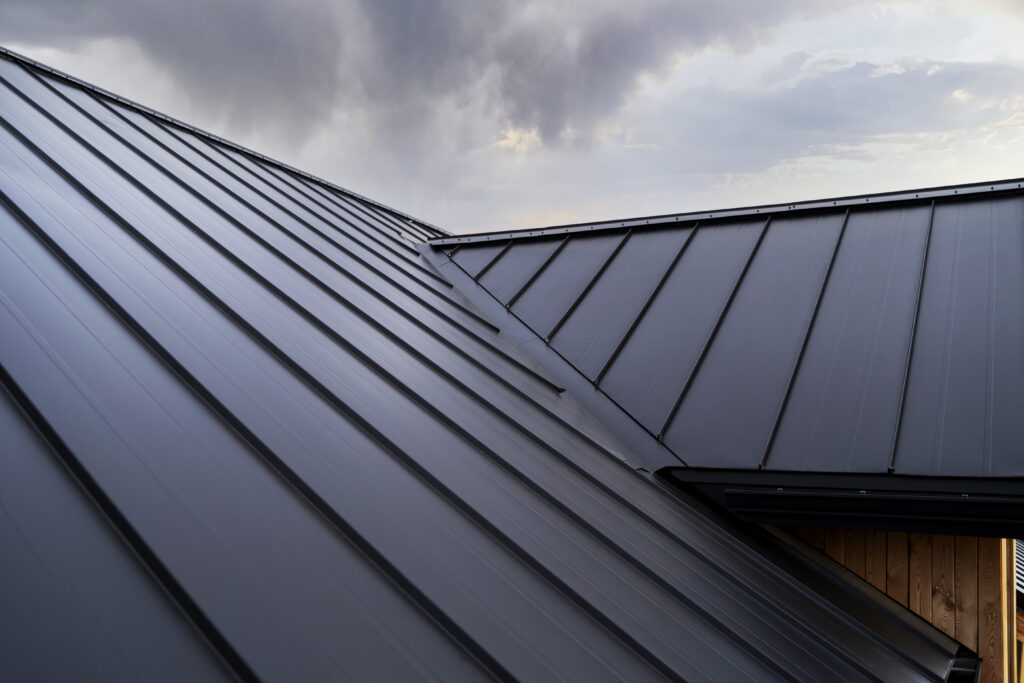
Painting a metal roof is a crucial maintenance task that renews its appearance, extends its service life, and enhances its performance. Unlike asphalt, metal roofing is built to last decades, but its protective coating requires periodic care to ensure it continues to resist rust and reflect heat effectively.
This guide provides expert steps and tips to ensure you properly prepare, select, and apply the right coating for your metal roof.
Why Paint a Metal Roof?
Painting is not merely cosmetic; it is a vital part of the metal roof system’s protective cycle.
Benefits: Aesthetics, Corrosion Protection & Energy Efficiency
- Corrosion Protection: The primary function of paint is to provide a fresh barrier against moisture, oxygen, and environmental pollutants, which are the main causes of rust and degradation in metal.
- Aesthetics and Curb Appeal: A new coat of paint instantly revitalizes the entire structure, updating the home’s look and improving its curb appeal. Faded, chalky, or patchy color is immediately restored.
- Energy Efficiency: Choosing a highly reflective or “cool roof” paint color (like white or light gray) can significantly reduce heat absorption, lowering attic temperatures and decreasing your home’s cooling costs during the summer.
Preparation: What to Inspect Before Painting?
Proper surface preparation is the single most important step. Without it, even the best paint will fail prematurely.
Identifying Rust, Damaged Panels, or Poor Fasteners
Before cleaning, conduct a thorough inspection:
- Check for Damage: Look for bent, dented, or loose panels, particularly near ridges and eaves. Ensure all panels are securely fastened. Replace or flatten damaged sections.
- Inspect Fasteners: Check if exposed fasteners (screws or rivets) are tight and sealed. Replace any that are rusted or worn.
- Identify Rust: Mark areas showing signs of rust. These spots will require focused treatment, including sanding and specialized primer.
Cleaning, Sanding, and Priming the Surface
- Deep Cleaning: Use a pressure washer (no greater than 2,000 psi) and a specialized roof cleaning solution (often a trisodium phosphate (TSP) cleaner or specialized degreaser). Remove all dirt, chalking, mold, mildew, and loose debris. Rinse thoroughly until no soap residue remains.
- Rust Treatment (Sanding): For mild surface rust, use a wire brush or coarse sandpaper to remove flaky rust. For deeper corrosion, use an angle grinder with a wire wheel. Immediately follow up with a rust-converting primer on the bare metal spots.
- Primer Application: A dedicated metal primer is essential for adhesion, especially over bare or slightly rusted areas. Use a direct-to-metal (DTM) or rust-inhibitive primer. Apply a full coat across the entire roof if the existing finish is heavily worn or if you have extensive bare metal spots.
Choosing the Right Paint and Coatings
The longevity and performance of your painted roof depend entirely on the chemistry of the coating you select.
Types of Paint Formulated for Metal Roofing
Avoid standard exterior house paint. You need a robust coating designed to adhere to metal and withstand thermal cycling. The best options are:
- Acrylic Elastomeric Coatings: Highly flexible paints that expand and contract with the metal surface as temperatures change, preventing cracking and peeling. These often include UV stabilizers.
- Urethane/Polyurethane Coatings: Extremely durable and chemical-resistant. They offer superior gloss retention and longevity but may require specialized application methods and higher costs.
- Water-Based Epoxy Coatings: Often used as highly adhesive primers, though some durable topcoats are available.
Color and Reflectivity Considerations for Your Climate
- Cool Roof Technology: If you live in a hot, sunny climate, opt for lighter colors (white, tan, light gray) specifically labeled as “cool roof” coatings. These contain pigments that reflect solar radiation, significantly reducing heat transfer into the attic.
- Darker Colors: While aesthetically pleasing, darker colors (dark gray, brown, black) absorb more heat, which can increase attic temperature and the thermal expansion stress on the metal panels.
Application Process & Finishing Touches
Executing the application correctly ensures an even finish and full protective coverage.
Tools and Techniques for Even Coating
- Safety First: Always use proper safety gear, including non-slip boots, harnesses, and ropes.
- Application Method: For the fastest and most uniform application, use an airless sprayer. This ensures the paint penetrates all seams, fasteners, and panel edges.
- Back-Rolling/Brushing: If spraying, it is often recommended to “back-roll” or “back-brush” the wet paint immediately after spraying, particularly in heavily textured or rusted areas, to ensure maximum adhesion and thickness.
- Multiple Thin Coats: Two thinner coats are always superior to one thick coat. This maximizes coverage uniformity and reduces the risk of sagging or bubbling.
- Drying Time: Strictly adhere to the manufacturer’s recommended drying and curing times between coats and before exposing the roof to rain.
How to Maintain the Painted Roof Over Time
- Annual Cleaning: Gently wash the roof annually with a soft brush and mild detergent to remove dirt and surface mold.
- Monitor Flashing: Check the paint integrity around all penetrations (vents, chimneys) where thermal movement is highest.
- Spot Repairs: Address any small chips or scuffs as soon as they appear by cleaning the area, applying a dab of primer, and touching up with the original paint. Early spot repair prevents localized rust spread.
FAQs About Painting Metal Roofs
“Can I paint over rusted metal panels?”
You cannot paint directly over loose, flaky, or extensive rust. You must first remove all loose rust by sanding or grinding and then treat the bare metal with a rust-inhibiting primer or a rust converter product. Painting over untreated rust will trap moisture beneath the paint film, causing the corrosion to continue rapidly.
“How long does the paint last on a metal roof?”
The lifespan of the coating depends heavily on the preparation, the quality of the paint, and the climate. High-quality elastomeric or urethane coatings, properly applied over a well-prepared surface, can last 10 to 20 years before requiring maintenance or re-coating.
“Will painting affect my warranty or roof lifespan?”
If your roof is still under the manufacturer’s original warranty, consult the policy. Applying the wrong type of coating can potentially void a warranty related to corrosion or materials failure. However, using high-quality, manufacturer-approved coatings often extends the roof’s effective lifespan by protecting the underlying metal and preserving the original substrate.
Painting your metal roof is an effective strategy for maximizing its performance and aesthetic life.
Masterpiece Roofing uses only commercial-grade elastomeric and urethane coatings, ensuring your metal roof receives maximum protection and long-lasting, vibrant color.