
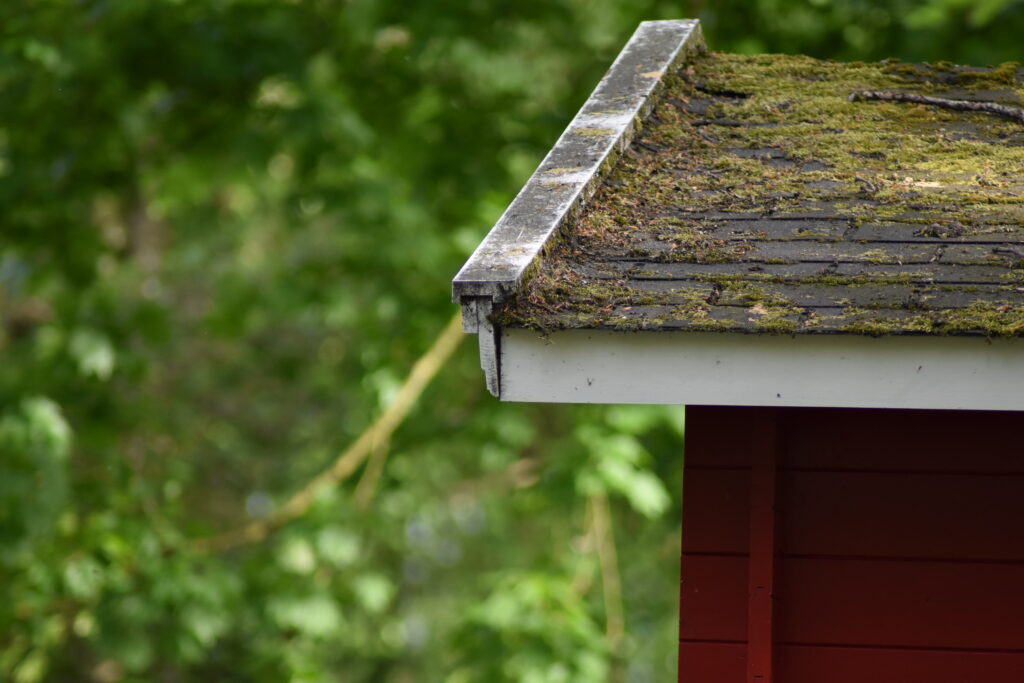
Moss, algae, and lichen growth on a roof is not just an aesthetic issue; it’s a serious structural concern that can drastically shorten the lifespan of your roofing materials. While often associated with damp, shaded climates, moss can thrive in many regions across the United States, especially on the northern exposure of roofs that receive less direct sunlight.
This guide provides safe and effective strategies for removing moss and implementing preventative measures to keep your roof clean, dry, and protected for years to come.
Why Moss Growth Is a Problem
Moss is a living organism that seeks out damp, granular surfaces to establish roots. Its presence creates a cycle of moisture retention that accelerates the decay of roofing materials.
How Moss Damages Shingles
- Granule Displacement: Moss anchors itself by sending small, root-like structures (rhizoids) into the porous surface of the shingle. As it grows, it lifts the top protective layer of asphalt granules. These granules are essential for reflecting UV rays and protecting the shingle’s core. Once displaced, the shingle is vulnerable to accelerated deterioration and cracking.
- Shingle Lifting and Curling: Moss growth acts like a sponge. When saturated, its weight increases, and its structure physically holds the shingles slightly apart, inhibiting proper water shedding. Over time, this constant dampness and physical separation cause the shingle edges to lift and curl, making them susceptible to wind damage and water penetration.
Moisture Retention and Hidden Leaks
Moss patches trap rainwater and snowmelt against the roofing surface.
- Prolonged Dampness: The trapped moisture prevents the roof deck and underlayment from drying out completely. This prolonged dampness can lead to wood rot in the decking, rafters, and fascia, compromising the structural integrity of the roof system.
- Compromised Flashing: Where moss grows thickest—often near chimneys, vents, and valleys—it can prevent water from running smoothly over the flashing. This allows water to be held captive in areas designed to be leak-proof, increasing the risk of water intrusion and hidden leaks into the attic space.
How to Remove Moss Properly
Safe moss removal is a careful process that prioritizes cleaning the moss without damaging the fragile shingle surface underneath. Safety First: Never work on a roof without proper fall protection.
Soft Brushing Techniques
For initial removal, the safest method is physical extraction using low impact:
- Chemical Application (Pre-Treatment): First, apply a proven, non-corrosive cleaning solution (see below). Let it sit for the recommended time to kill the moss and loosen its grip.
- Gentle Brushing: Use a long-handled, stiff-bristled brush (not metal wire) to gently sweep the moss off the roof. Always brush downward—never upward—to avoid driving the brush bristles or debris underneath the shingles, which could lift or break them.
- Rinsing: Use a low-pressure garden hose to rinse the residual cleaner and detached moss off the roof.
Safe Cleaning Solutions (No-Pressure Wash Guidance)
Using the wrong chemical or improper pressure can destroy a roof in minutes. Never use a high-powered pressure washer on an asphalt shingle or cedar roof.
- Oxygen Bleach (The Best Option): A mix of oxygen bleach and water is highly effective. It kills the moss spores without the corrosive effects of chlorine bleach and is gentler on landscaping. Follow the manufacturer’s dilution instructions carefully.
- Commercial Moss Killers: Look for products containing zinc sulfate or potassium salts of fatty acids. These are specifically formulated to kill moss and algae spores.
- Avoid Chlorine Bleach: While effective at killing moss, chlorine bleach is highly corrosive, can dry out asphalt shingles, and can severely damage the surrounding landscaping, gutters, and paintwork.
When to Avoid DIY Moss Removal
DIY removal is dangerous and often results in costly damage if done incorrectly. You should avoid DIY and call a professional contractor if:
- You have a steep-pitched roof where safe access is impossible without specialized gear.
- The moss is exceptionally thick or widespread, indicating severe underlying moisture issues.
- You are unable to safely and correctly use a garden hose or low-pressure sprayer.
- You notice shingles are already brittle, cracked, or severely curled—any physical removal method risks destroying them entirely.
Preventing Moss from Coming Back
Removal is only half the battle; prevention ensures a moss-free roof for the long term.
Improve Roof Drainage and Sunlight Exposure
Moss thrives in damp, shaded conditions. Eliminating these conditions is paramount:
- Trim Trees: Aggressively trim overhanging branches to maximize the sunlight reaching the roof and improve air circulation. This speeds up drying time after rain and dew.
- Clean Gutters: Ensure gutters are always clear. Proper drainage prevents water from backing up and soaking the roof edges.
Zinc and Copper Strips
This is a long-term, passive preventative measure:
- Installation: Thin strips of zinc or copper metal are installed just below the ridge cap. When it rains, trace amounts of the metal are washed down the roof surface.
- How It Works: Zinc and copper are toxic to moss, algae, and lichen. The metallic ions carried by the rainwater inhibit the growth of these organisms in the streak directly beneath the strip, providing a continuous, chemical-free defense against regrowth.
Regular Roof Cleaning Schedule
Establish a routine that keeps spores from taking hold:
- Annual Cleaning: Treat the roof annually with a professional, low-impact moss killer or an approved oxygen-bleach solution. This maintains a hostile environment for spore germination.
- Seasonal Debris Removal: Clear sticks, leaves, and other organic debris off the roof surface, especially from valleys and around chimneys, as these spots trap moisture and nutrients that feed moss growth.
FAQs About Roof Moss
“Does moss always mean roof replacement?”
Not necessarily. If the moss growth is caught early and the underlying shingles are still pliable and intact, professional removal and preventative measures (like zinc strips) can save the roof. However, if the moss has been allowed to grow thickly for years, causing widespread granule loss, shingle breakage, and decking rot, replacement may be the only safe option.
“Can pressure-washing damage shingles?”
Yes, absolutely. High-pressure washing is strictly forbidden on asphalt and cedar roofs. The high-powered stream blasts off the protective asphalt granules, removes the sealant holding the shingles together, and forces water underneath the shingles, causing immediate and severe leaks and voiding any manufacturer’s warranty. Always use soft washing or low-pressure methods.
“What causes moss to grow in the first place?”
Moss requires three things to thrive:
- Moisture: A high relative humidity or a surface that stays damp for long periods.
- Shade: The lack of direct sunlight, often caused by tree coverage, allows moisture to linger.
- Nutrients: Organic debris (like settled dust, leaves, and pine needles) provides nutrients for the spores to germinate.
Protect your roof’s health and curb appeal by addressing moss and algae immediately.
Masterpiece Roofing specializes in gentle, non-destructive moss removal and the installation of long-term preventative measures, including zinc and copper treatments. Trust our certified technicians to restore and protect your roof safely.