
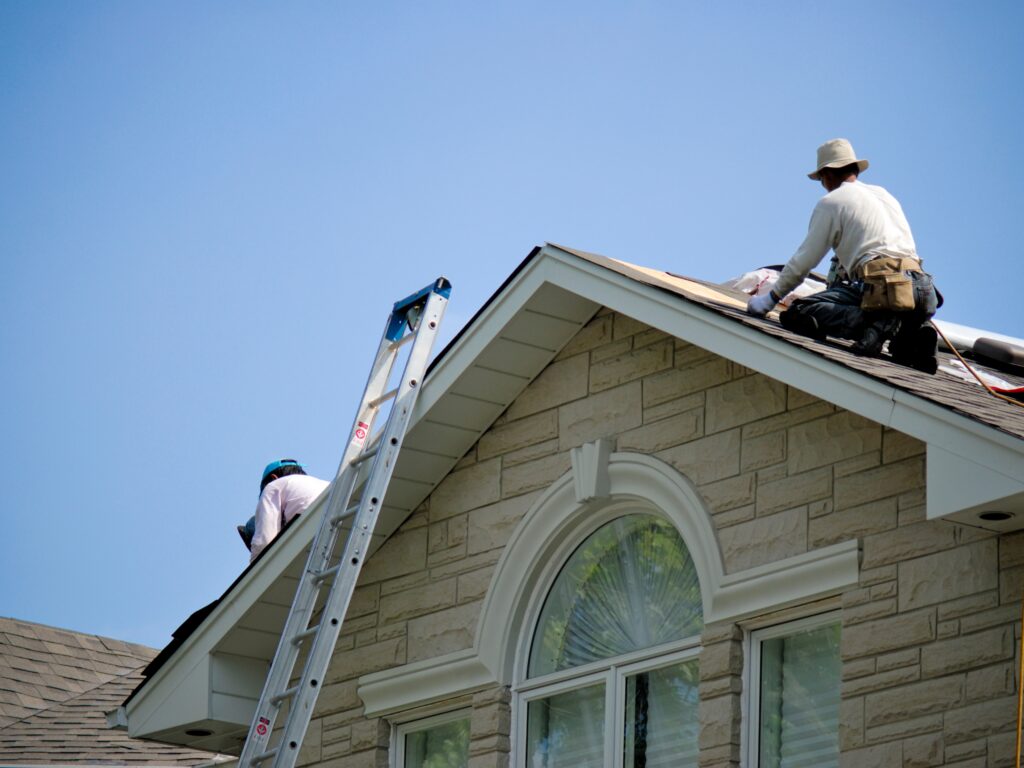
Replacing a roof is one of the most significant investments a homeowner will make. It’s a critical project that impacts your home’s energy efficiency, curb appeal, and most importantly, its protection against the elements.
This comprehensive guide breaks down the roofing process into simple stages, helping you understand what to expect from your Masterpiece Roofing contractor every step of the way.
When It’s Time to Replace Your Roof
While minor leaks can often be patched, a recurring pattern of issues or age-related wear signals that the entire system has reached its service limit. Delaying a necessary replacement can lead to catastrophic damage to the decking, attic, and interior of your home.
Lifespan of Common Materials
Knowing the typical lifespan of your current roofing material is the first step in planning:
| Material Type | Typical Lifespan (Years) | When to Inspect Closely |
| 3-Tab Asphalt Shingles | 15–20 years | After 12 years |
| Architectural Shingles | 25–40 years | After 20 years |
| Metal Roofing (Standing Seam) | 40–70 years | After 35 years |
| Wood Shake | 20–35 years | After 15 years |
Signs You Need Replacement (Frequent Leaks, Curling Shingles)
Look for these critical signs that your roof is failing:
- Curling, Cupping, or Missing Shingles: Shingles that curl at the edges or cup in the middle have lost their protective flexibility, making them brittle and highly susceptible to wind damage.
- Granule Loss: Bald or black spots where granules (the protective top layer) have worn off. This exposes the asphalt matting underneath to the sun’s UV rays, rapidly accelerating deterioration.
- Widespread Moss and Algae Growth: While cosmetic, extensive growth traps moisture, which can break down the organic layer of the shingle.
- Frequent and Recurring Leaks: If you find yourself patching the same spots or new leaks appear after every heavy storm, the underlayment and flashings have likely failed across the roof.
- Sagging Roof Deck: A visible dip or sag in the roofline often indicates moisture damage to the underlying plywood or structural issues—a serious problem that requires immediate attention.
Planning Your Roof Replacement Project
A successful project starts long before the first shingle is removed. Proper planning ensures you select the right materials and understand the financial commitment.
Choosing the Right Materials for Your Home & Climate
Your contractor will help you select the best material based on your budget, local climate, and aesthetic goals:
- Durability and Wind Resistance: Architectural (laminate) asphalt shingles offer superior wind ratings and a thicker profile compared to standard 3-tab shingles.
- Longevity and Premium Protection: Consider metal or slate for unparalleled lifespan and extreme weather resistance, particularly important in areas prone to hail or high winds.
- Aesthetics: The color and style of the material should complement your home’s exterior (siding, trim, brickwork). This choice significantly impacts curb appeal.
Budgeting & Timeline Considerations
- Budgeting: Obtain a detailed quote that clearly separates material costs, labor costs, and any necessary fees for dumpster rental or permitting. Ensure the quote includes the removal and disposal of the old roofing system (the “tear-off”).
- Timeline: Most residential roof replacements take between one and three days from tear-off to final cleanup, depending on the roof’s size, complexity (steep pitch, many valleys), and weather conditions. Your contractor should provide a clear schedule and update you daily on progress.
Installation Process Overview
Professional installation follows a strict, systematic process to ensure quality and adherence to local building codes.
Pre-installation: Inspection, Permits & Removal
- Final Inspection & Staging: The contractor performs a final walk-through, protects sensitive landscaping and features (using tarps and plywood), and stages all materials.
- Permitting: Your roofing company should secure all necessary local building permits before work begins.
- Old Roof Removal (Tear-Off): The crew strips the existing roofing material (shingles, felt paper, and any old flashing) down to the bare wooden roof deck (sheathing). This is the loudest and messiest part of the process.
Deck Preparation, Underlayment & Flashing
- Sheathing Repair: Any damaged, soft, or rotted plywood sheathing discovered during the tear-off must be replaced to provide a solid, secure surface for the new roof.
- Ice and Water Shield Installation: In prone areas (valleys, eaves, and around penetrations), a self-adhering membrane (Ice and Water Shield) is installed. This rubberized barrier offers critical, non-permeable protection against ice dams and wind-driven rain.
- Felt Paper/Synthetic Underlayment: The entire roof deck is covered with high-quality synthetic underlayment or felt paper. This acts as a secondary barrier against moisture and protects the deck during installation.
- New Flashing: All perimeter flashing (drip edge) and penetration flashings (chimneys, vents, skylights) are installed. New flashing is essential for directing water away from vulnerable points.
Installing the Roofing Material & Finishing Touches
- Starter Shingles: Special starter shingles or strips are laid along the eaves to protect the bottom edge of the roof.
- Field Installation: The main roofing material (shingles, metal panels, or tiles) is installed, working from the eaves up to the ridge. Proper fastening and alignment are paramount to ensure maximum water shedding.
- Ridge and Ventilation: Vents are installed to allow hot, moist air to escape the attic. The ridge cap (the final covering along the peak of the roof) is secured last, providing a finished, watertight seal.
- Cleanup: The crew conducts a thorough, magnet-swept cleanup of the property to remove all debris, including stray nails, shingles, and packaging.
After Replacement: Maintenance & Warranty
A professional roof replacement extends beyond the final nail.
What to Expect from Your Roofing Contractor
- Final Inspection: A walk-through with the project manager to review the finished work, address any concerns, and confirm the cleanup is complete.
- Paperwork and Warranty: You should receive lien waivers, confirmation of the final inspection, and the manufacturer’s warranty and the contractor’s workmanship warranty documents. Understand the terms of both warranties.
- Timely Communication: Expect clear, honest communication throughout the process, particularly regarding weather delays or unexpected deck repair needs.
Tips to Extend the Life of the New Roof
- Keep Gutters Clean: Ensure water drains quickly and does not back up onto the shingles.
- Maintain Trees: Trim branches that hang over or touch the roof to prevent abrasion and debris buildup.
- Avoid Unnecessary Foot Traffic: Only trained professionals should walk on your roof to avoid accidentally dislodging granules or cracking shingles.
FAQs About Roof Replacement
“Can I replace only part of my roof?”
In almost all cases, no. While it’s technically possible, replacing only a section (like one slope) can create problems: the old and new sections will weather differently, resulting in an inconsistent look. More importantly, it compromises the overall system integrity and can void your manufacturer’s warranty. A full replacement ensures uniform protection and maximum longevity.
“What disruption should I expect during replacement?”
Expect significant noise and vibration during the tear-off phase, which usually lasts several hours. You should also anticipate a temporary change to exterior access, and possibly dust in your attic. Your contractor will make every effort to minimize disruption and will keep the property secure and safe during non-working hours.
“Will insurance cover storm-related replacement?”
Insurance coverage depends entirely on the cause of damage. Policies typically cover “sudden and accidental” damage, such as that caused by hail, high winds, or falling trees. They generally do not cover replacement necessitated by age, lack of maintenance, or normal wear and tear. A reputable contractor will assist you with the inspection process and documentation needed for filing an insurance claim.
A roof replacement is a complex project, but with an experienced partner, it can be stress-free and rewarding.
Masterpiece Roofing delivers expert installation, using high-quality materials and unparalleled craftsmanship to ensure your new roof lasts for decades.