
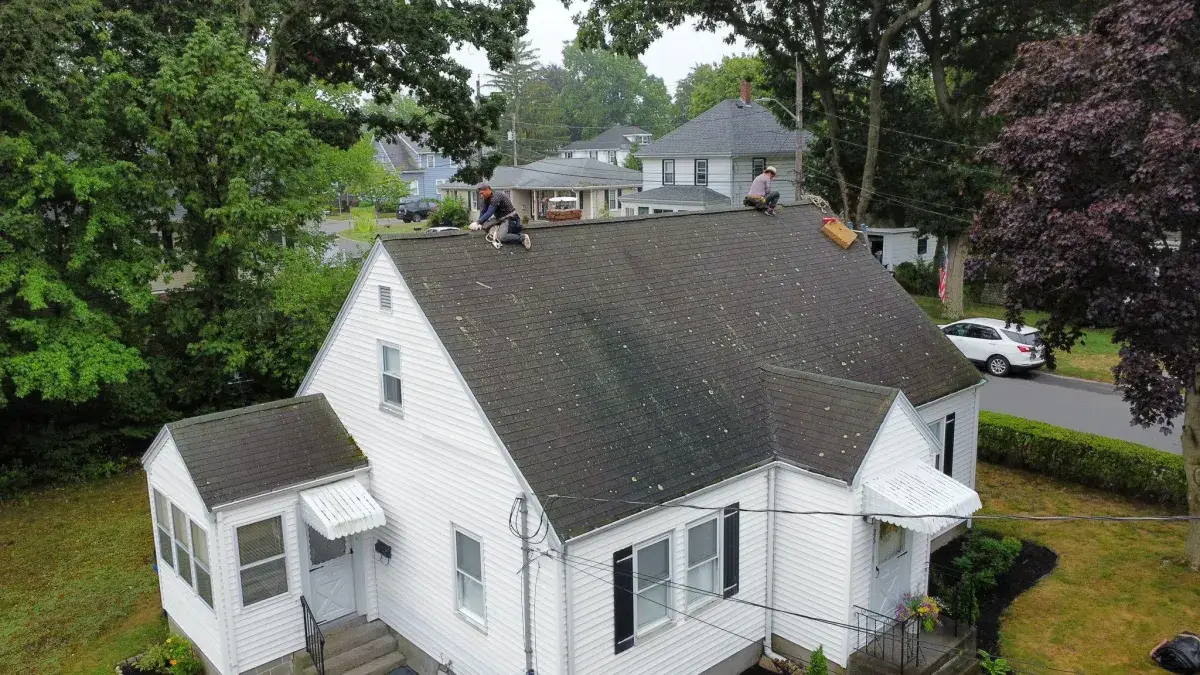
The cost of a residential roof inspection in the U.S. can fluctuate based on the type of inspection, your home’s characteristics, and your geographic location.
-
Average Range: For a standard visual, physical inspection of a residential roof, you can typically expect to pay between $75 and $400.
-
Basic vs. Comprehensive:
-
Lower End ($75-$150): This might cover a basic visual assessment from the ground or a quick walk-through on a simple, easily accessible roof. Some roofing companies might offer a basic inspection for free as part of a repair or replacement quote, though this can sometimes be less comprehensive than a paid, independent inspection.
-
Mid-Range ($150-$300): This covers most standard physical inspections by a qualified professional on an average-sized home with a moderately complex roof.
-
Higher End ($300-$400+): This range applies to larger homes, more complex rooflines, steeper pitches, or when specialized equipment like drones or thermal cameras (without a full thermal analysis) are utilized.
-
It’s important to obtain detailed quotes and understand exactly what is included in the price.
When infrared or drone inspections add value
While traditional physical inspections are effective, advanced technologies like drones and infrared cameras offer unique benefits and are worth considering in specific situations, often for an additional cost.
-
Drone Inspections:
-
When They Add Value:
-
Safety & Accessibility: For roofs that are very steep, unusually high, or have difficult/dangerous access points, a drone can capture high-resolution imagery without putting an inspector at risk.
-
Speed: Drones can cover large or complex roofs much faster than a physical walk-through.
-
Documentation: They provide excellent visual records (photos and video) of the entire roof, which can be shared easily.
-
-
Cost Implication: Adding a drone component to an inspection might increase the cost by $50 to $150, or more for a standalone drone inspection with detailed analysis.
-
-
Infrared (Thermal) Inspections:
-
When They Add Value:
-
Detecting Hidden Moisture: This is their primary benefit. Infrared cameras detect subtle temperature differences on the roof surface. Areas where insulation is wet or compromised will show up differently (either hotter or cooler, depending on conditions) than dry areas, indicating hidden leaks or moisture trapped within the roof assembly that is invisible to the naked eye.
-
Energy Efficiency Audit: Can help identify areas of heat loss in winter or heat gain in summer, revealing insulation deficiencies.
-
-
Cost Implication: A full infrared scan for a residential roof is typically more specialized and can add $200 to $500 or more to the inspection cost, often making the total range for such a service $400-$700+. It’s usually performed in specific environmental conditions (e.g., clear skies, specific time of day for optimal temperature differentials).
-
Consider a Hybrid Approach: For a comprehensive understanding of your roof’s health, combining a physical inspection (for hands-on tactile checks) with drone footage (for inaccessible areas) and/or infrared (for hidden moisture) offers the most complete picture, though at a higher total cost.
Conclusion
Investing in a professional roof inspection is a proactive step that can save homeowners significant money and stress in the long run. By understanding the factors that influence cost and the value that advanced inspection methods bring, you can make an informed decision to protect your most valuable asset – your home.
Masterpiece Roofing is committed to providing thorough and transparent roof inspection services. Contact us today to schedule your comprehensive roof inspection and ensure the longevity and integrity of your roof.
Contact Masterpiece Roofing
Ready to get started on your roofing project? Masterpiece Roofing is here to help with all your roofing needs in Massachusetts. Contact us today for a free consultation and estimate.
Phone: (508) 533-0499
Email: info@masterpieceroof.com
Service Areas: Holliston, Ashland, Medway, Millis, and surrounding Massachusetts communities